Tesla Missed by 38% But Elon Musk Is Not Worried. Here’s What TSLA Investors Should Make of That.
Source Entity
Yahoo Finance
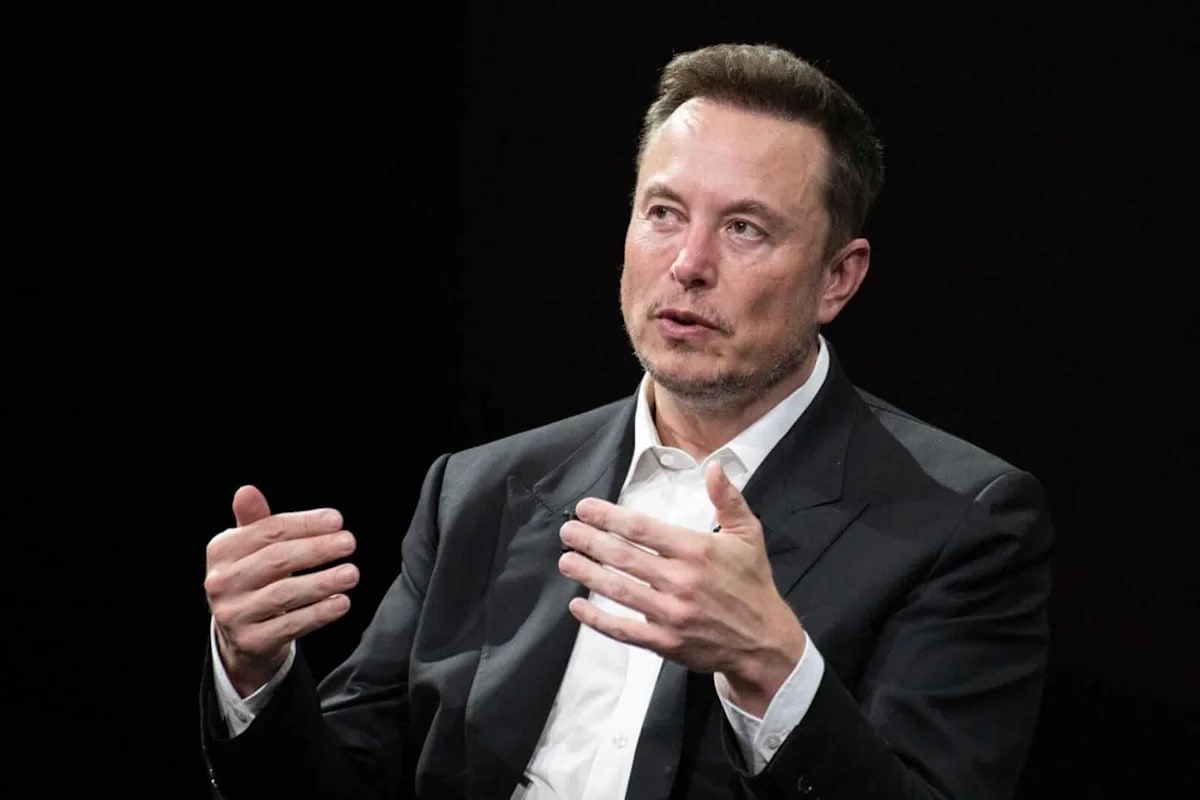
Tesla has secured a significant allocation of memory chips from Micron to mitigate supply chain volatility caused by surging AI demand. This strategic move supports Tesla's pivot toward becoming a full-stack autonomous technology and energy platform.
Tesla’s Strategic Pivot: Securing the AI Supply Chain
On July 22, Elon Musk provided Tesla investors with critical insight into the company's supply chain management, specifically regarding the procurement of memory chips. Musk revealed that Micron has granted Tesla a "very significant allocation" of these essential components on "reasonable terms." This development is not merely a transactional win but a long-term strategic alignment, as Micron has committed to making room for Tesla’s future production needs. This partnership is vital for a company increasingly dependent on high-performance computing to power its autonomous ambitions.
The Impact of Industry-Wide Memory Shortages
The broader context for this announcement is an industry facing what Apple CEO Tim Cook has described as a "hundred-year flood" of demand. Musk noted that memory chip prices have seen the most significant "price jump" he has ever witnessed. In an era where AI demand is monopolizing hardware resources, securing a reliable supply line is a competitive advantage that directly impacts Tesla’s ability to scale its next-generation products without being throttled by exorbitant component costs.
Evolving Beyond the Automotive Segment
While Tesla is historically known as an electric vehicle manufacturer, its business model is shifting toward a "full-stack" technology platform. The company operates across two primary segments: Automotive—encompassing vehicle sales, regulatory credits, and Full Self-Driving (FSD) subscriptions—and Energy Generation and Storage. These segments are increasingly fueled by high-end AI computing infrastructure, which requires a consistent supply of specialized memory to function at scale.
The Future of Tesla’s Valuation Narrative
Tesla’s long-term valuation is no longer tied solely to vehicle delivery numbers. Instead, investors are increasingly looking at "emerging businesses" such as the proposed robotaxi service, the Optimus humanoid robot program, and massive AI computing infrastructure. These initiatives require intense processing power and data storage, making the Micron agreement a foundational pillar for Tesla’s transition into an autonomous technology and energy giant.
Strategic Implications for Investors
Despite recent reports of Tesla missing earnings expectations by 38%, Musk’s focus remains squarely on the long-term technological horizon. The ability to secure hardware supply when competitors face severe shortages suggests that Tesla is prioritizing the infrastructure necessary for its future products over immediate, short-term margin pressures. By locking in "reasonable terms" with a major supplier like Micron, Tesla is effectively insulating itself against the volatility of the global semiconductor market, positioning itself for sustained growth in the AI-driven economy.