Man on flight still ‘charged’ for international roaming, wins Rs 30,000 payout from BSNL
Source Entity
Jagriti Rai
Indian consumer forums have recently ruled in favor of citizens across three separate cases involving banking negligence, product mislabeling, and unfair telecom billing. These verdicts highlight the strengthening of consumer rights and the accountability of major corporations in India.
Strengthening Consumer Redressal in India
Recent rulings by various District Consumer Disputes Redressal Commissions across India underscore a growing trend of judicial accountability for service providers. In three distinct cases, authorities in Haryana, Kerala, and Chhattisgarh have held major entities—State Bank of India (SBI), Parle Biscuit Company, and BSNL—accountable for deficiencies in service, ranging from financial fraud to deceptive packaging and unfair billing practices.
Banking Negligence and Internal Fraud
In Rohtak, Haryana, the District Consumer Disputes Redressal Commission addressed a severe breach of trust involving the State Bank of India. The complainant, Saroj Rani, alleged that the bank failed to credit deposits totaling Rs 75,000 and permitted an internal employee to facilitate unauthorized withdrawals of Rs 87,000. By ordering a full refund of Rs 1.62 lakh plus compensation, the Commission emphasized that a bank is vicariously liable for the actions of its employees, reinforcing the principle that financial institutions must maintain rigorous internal controls to protect consumer assets.
Accountability in Product Standards
Consumer rights extend beyond financial services into the realm of retail transparency. In Kerala, a district commission penalized Parle Biscuit Company and a local retailer for a significant discrepancy in product weight. A packet labeled as 150 grams was found to contain only 126 grams. By awarding a Rs 50,000 payout, the commission signaled that "deficiency in service" includes the failure to meet declared product specifications, thereby protecting consumers from deceptive marketing and short-weight practices.
Challenging Unfair Telecom Billing
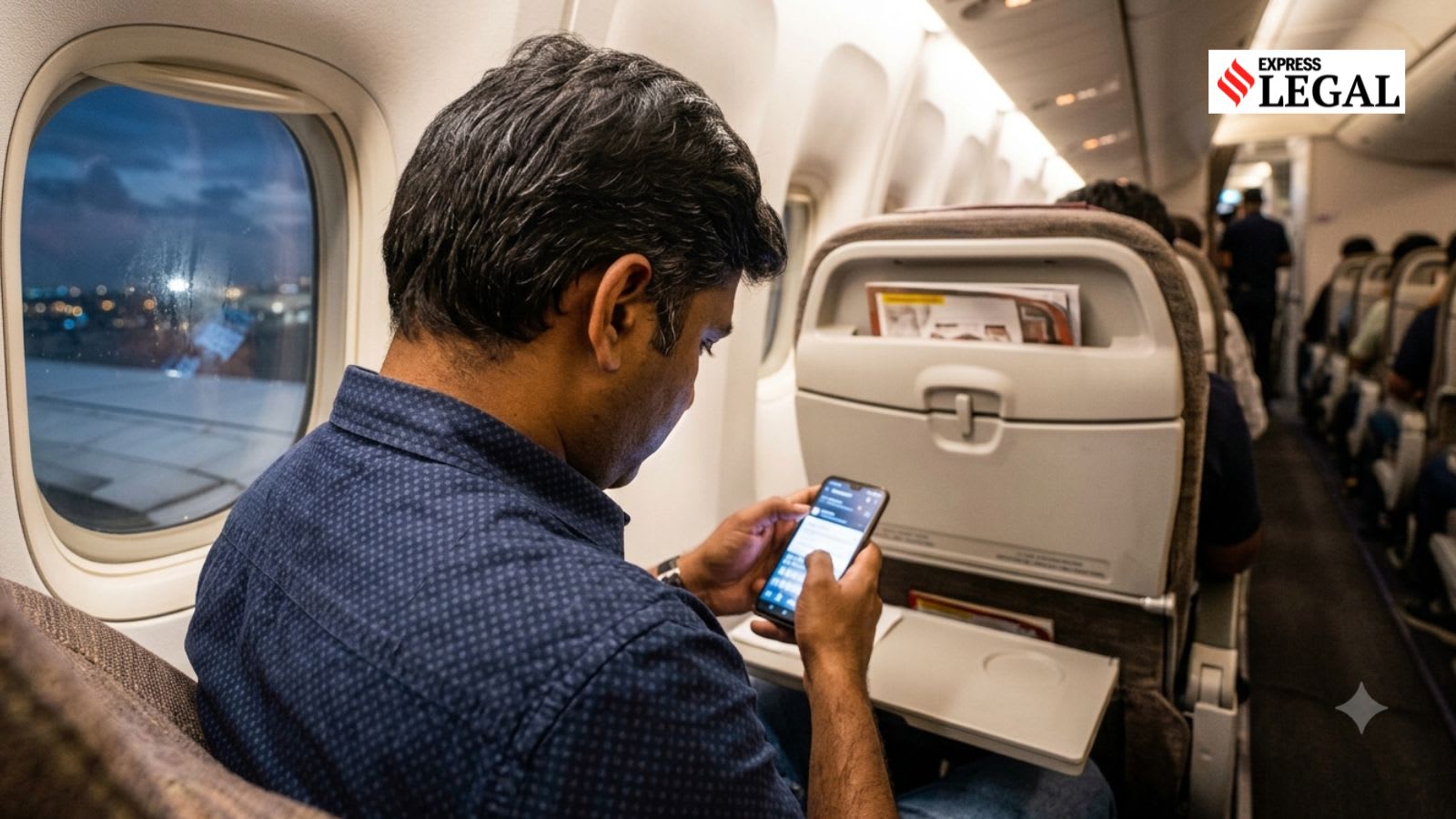
In a third case, the Chhattisgarh consumer body intervened in an unfair billing dispute involving BSNL. A subscriber was charged over Rs 65,000 for international roaming data while documented to be on a flight between Thailand and India. The commission’s decision to mandate a revised bill and compensation demonstrates the judiciary's willingness to scrutinize automated billing systems that ignore physical realities and consumer evidence.
Broader Implications for Corporate Responsibility
These rulings collectively signal a shift toward a more proactive consumer protection regime. Corporations operating in India are increasingly finding that the "buyer beware" doctrine is being superseded by a strict regulatory framework that favors the individual. The consistent use of litigation costs and compensation serves as a deterrent against the systemic complacency that often plagues large-scale service providers.
Future Trends and Judicial Impact
As digital transactions and international travel increase, the complexity of consumer disputes will likely rise. The success of these complainants suggests that Indian consumer forums are becoming more accessible and effective at resolving grievances against powerful entities. Moving forward, businesses must prioritize transparency and internal oversight to avoid the reputational and financial costs associated with these adverse legal outcomes.
Multiple Citing Sources