How India can build more resilient food security system
Source Entity
The Indian Express
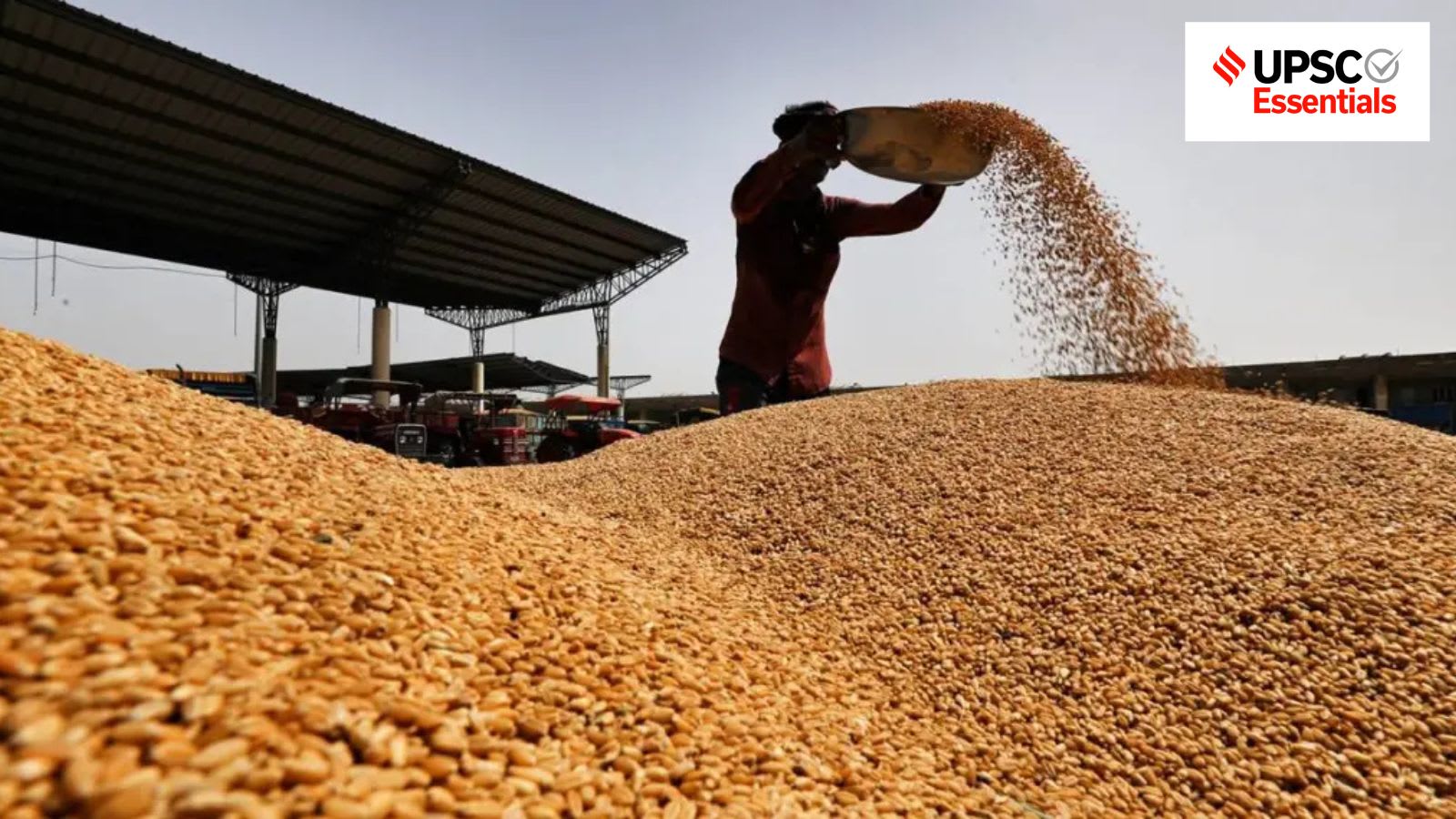
India's food security system supports 800 million citizens, but remains vulnerable to climate-induced agricultural instability. Building resilience requires modernizing procurement, storage, and distribution while mitigating monsoon dependency.
The Challenge of Sustaining India's Food Security
Ensuring consistent food security for a population as vast as India’s is an monumental administrative and logistical undertaking. With the government's food-based safety nets currently supporting approximately 800 million people, the mechanisms of procurement, storage, and distribution serve as the backbone of the nation's social stability. As the country continues to evolve, the necessity of maintaining a robust supply chain to prevent scarcity and manage price volatility has become a primary policy objective for policymakers.
The Monsoon Dependency Dilemma
Despite significant advancements in agricultural output, India’s food production remains tethered to the unpredictability of the monsoon. This reliance creates a structural vulnerability where shifts in rainfall patterns directly dictate the success of harvest cycles. When monsoons falter or deviate from historical norms, the immediate impact is felt in reduced crop yields, which creates a ripple effect throughout the entire national food economy.
Climate Volatility and Global Disruptions
Recent climatic events, such as the El Niño phenomenon, have underscored the fragility of this system. These disruptions do not merely affect the agricultural output of a single season; they create supply chain bottlenecks that exert upward pressure on food prices. For a nation reliant on large-scale distribution to the masses, even minor fluctuations in global and local climate conditions can threaten the affordability and availability of essential foodgrains.
Modernizing Storage and Distribution
To build a more resilient system, India must look beyond simple production increases and focus on the efficiency of the storage and distribution network. The current scale of operations requires advanced logistical frameworks that can minimize post-harvest losses and ensure that food reaches the most vulnerable populations without spoilage or leakage. Strengthening these nodes is essential to insulating the food supply from the shocks of climate change.
Future Trends and Policy Implications
Looking ahead, the shift toward climate-resilient agriculture will be paramount. This involves not only investing in drought-resistant crop varieties but also diversifying the agricultural basket to reduce dependence on rain-fed staple crops. As the government continues to refine its safety net programs, integrating technology into supply chain management will likely be the key to ensuring that India’s food security system remains both scalable and sustainable in the face of an increasingly volatile climate.