Population census from Jan 25-Feb 28 2027; poll-bound, snow-bound areas excluded
Source Entity
KANCHAN YADAV
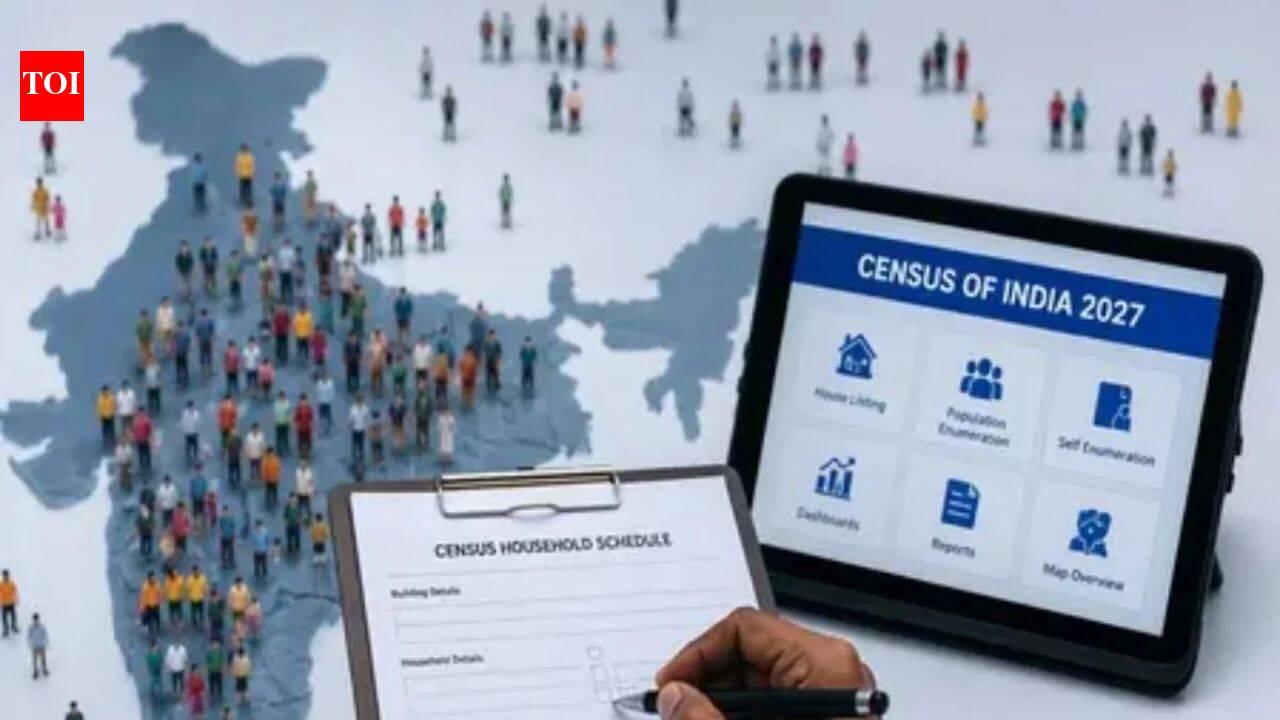
The 2027 Indian Census will take place from January 25 to February 28, 2027, featuring an expanded questionnaire of 40 items. The exercise will exclude specific poll-bound states and snow-bound regions to ensure logistical feasibility and accuracy.
India Announces Comprehensive 2027 Census Schedule
The Government of India has officially announced that the population enumeration for the 2027 Census will commence on January 25 and conclude on February 28, 2027. Under the guidance of the Registrar General of India and Census Commissioner, Mritunjay Kumar Narayan, this massive administrative undertaking has set a reference date of midnight on March 1, 2027. This date serves as the critical anchor point for determining the residency status of individuals, ensuring consistency across the diverse geographical landscape of the nation.
Strategic Exclusions for Logistical Integrity
A notable aspect of the 2027 exercise is the strategic exclusion of specific regions to maintain data integrity and operational efficiency. Areas currently facing assembly elections—specifically Uttar Pradesh, Uttarakhand, Punjab, Manipur, and Goa—are exempt from this phase to avoid administrative overlap with the electoral process. Furthermore, regions prone to heavy snowfall, including parts of Ladakh, Jammu and Kashmir, and Himachal Pradesh, have been excluded from this timeline. These localized exemptions highlight the government's commitment to ensuring that the census is conducted during periods where access is not hindered by environmental or political volatility.
Expanded Scope and Methodology
The 2027 Census represents a significant shift in methodology compared to previous iterations. The enumeration phase is set to span a record 50 days, incorporating a 15-day window specifically dedicated to self-enumeration. This shift reflects a modernization of the census process, leveraging digital convenience to improve accuracy. Additionally, the questionnaire has been expanded to include 40 distinct questions, an increase of 11 over previous rounds. This deeper data collection will now encompass caste details, Aadhaar information, and voter ID specifics.
Implications of Data-Driven Governance
By integrating Aadhaar and voter ID details into the census, the government aims to create a more robust demographic profile of the country. The inclusion of caste-related data is particularly significant, as it provides a granular view of the social fabric, which is essential for informed policymaking, resource allocation, and the implementation of welfare schemes. This multifaceted approach suggests a move toward a more integrated national database that can facilitate targeted development initiatives.
Future Trends and Administrative Continuity
The decision to extend the duration of the enumeration to nearly one-and-a-half months indicates a prioritization of quality over speed. By providing a wider temporal window, officials hope to minimize the margin of error and capture a more precise snapshot of India's population. As the nation prepares for this monumental task, the focus remains on balancing the need for comprehensive data with the logistical realities of India's vast and varied geography.
Conclusion
The 2027 Census is poised to be one of the most detailed demographic assessments in India's history. With its expanded questionnaire and extended timeframe, the government is setting a new standard for data collection. While the exclusion of poll-bound and snow-bound areas is a necessary tactical decision, the overarching goal remains the creation of a definitive, modern, and highly accurate dataset that will drive the country's socio-economic planning for the coming decade.
Multiple Citing Sources