Pak's "Victim Card" On Indus Waters Can't Change India's Decision: Sources
Source Entity
NDTV News Search Records Found 1000
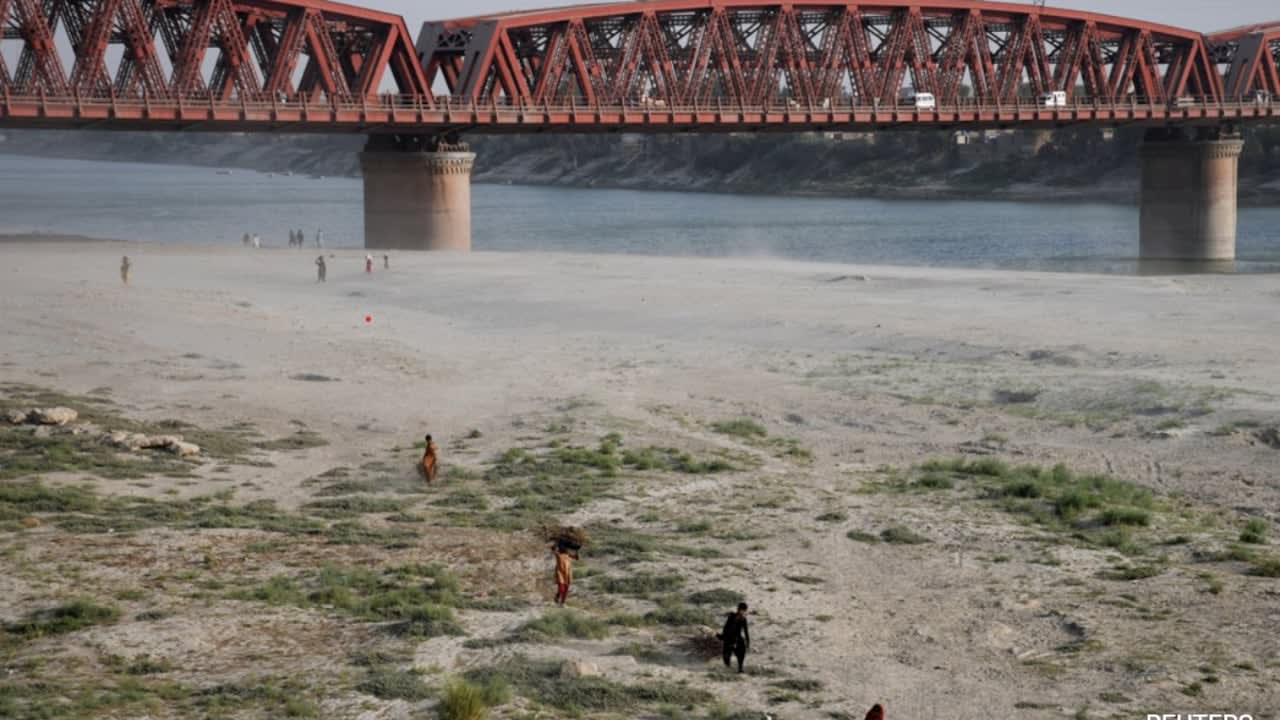
India has officially declared the 1960 Indus Waters Treaty non-functional in its current form due to Pakistan's continued support for cross-border terrorism. New Delhi is now calling for a formal review and renegotiation of the water-sharing agreement to account for modern geopolitical and environmental realities.
The Collapse of the Indus Waters Treaty: A New Geopolitical Reality
The historic 1960 Indus Waters Treaty (IWT), long considered one of the world's most durable water-sharing agreements, has reached a critical breaking point. As of July 2026, Indian authorities have confirmed that the treaty in its current form is no longer operational. This shift marks a significant departure from decades of diplomatic adherence, signaling that New Delhi is no longer willing to maintain the status quo while facing persistent security threats.
The Security-Water Nexus
At the core of this policy shift is the direct correlation between India’s geopolitical patience and Pakistan’s state-sponsored cross-border terrorism. The Indian government has explicitly linked the move to place the treaty in 'abeyance' to the aftermath of the Pahalgam terror attack. For years, India has maintained that the treaty's functionality is predicated on a baseline level of regional stability; however, the persistent backing of militant activities from across the border has rendered the original spirit of the agreement untenable.
Beyond the 1960 Framework
Negotiated over 60 years ago under the auspices of the World Bank, the IWT was designed for a different era of hydrological and demographic conditions. Officials have indicated that the treaty requires urgent review and comprehensive renegotiation. The government asserts that India cannot be compelled to remain a party to an agreement that no longer serves its national interest or security requirements, especially given the significant shifts in population, clean energy priorities, and modern climate realities.
Addressing Regional Precedents
A critical aspect of this transition is the potential impact on India’s other transboundary water relations, specifically concerning China and the Brahmaputra River. Officials have clarified that India’s decision to move away from the current IWT framework does not set a negative precedent for Sino-Indian water relations. Unlike the Indus arrangement, there is no formal treaty governing the Brahmaputra between India and China, meaning the legal and diplomatic dynamics are fundamentally distinct.
Future Trends and Strategic Options
While India has not yet formally abandoned the treaty—an option that remains on the table—the message is clear: the treaty must be overhauled or it will cease to exist. Future negotiations, if they occur, will likely focus on a 'different form' of cooperation rather than the rigid, archaic structures of 1960. As India prioritizes its energy security and national sovereignty, the international community should expect a more assertive approach to resource management that prioritizes internal stability over outdated diplomatic constraints.
Conclusion
The dissolution of the current IWT framework represents a hardening of India's foreign policy stance. By separating the technical aspects of water distribution from the political reality of regional security, India is signaling that it will no longer allow the treaty to be used as a shield by a neighbor that actively destabilizes its borders. The coming months will likely see a push for a modernized, restructured agreement that reflects the 21st-century realities of the subcontinent.
Verification Required?