CJP warns it may restart protest; LS set for explosive debate on anti-paper leak Bill - key points
Source Entity
TOI NEWS DESK
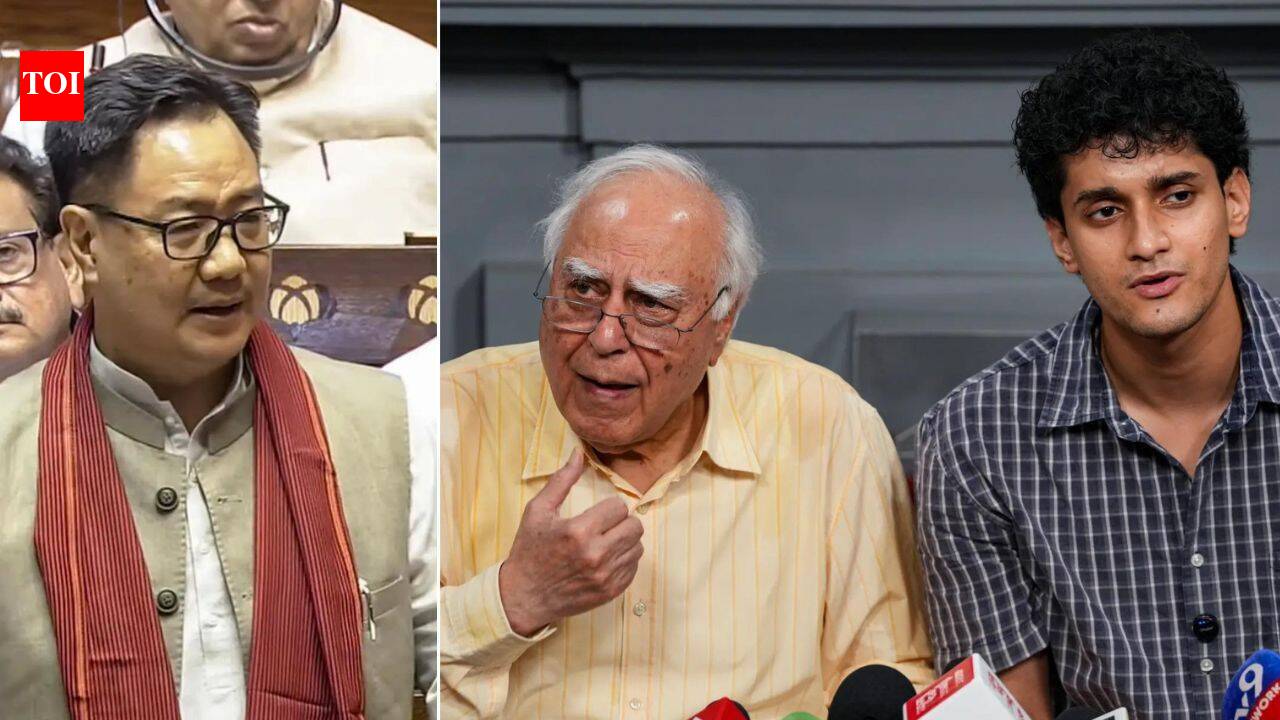
The government has introduced the Public Examinations (Prevention of Unfair Means) Amendment Bill, 2026, to impose harsher penalties for paper leaks. This legislative move follows widespread student protests and the resignation of Education Minister Dharmendra Pradhan.
Legislative Crackdown on Examination Malpractice
The Indian government has introduced The Public Examinations (Prevention of Unfair Means) Amendment Bill, 2026, in the Lok Sabha, signaling a significant shift in how the state addresses the systemic issue of examination paper leaks. This legislative action arrives in the wake of intense, nationwide student protests, most notably sparked by the NEET (UG) question paper leak, which brought thousands of candidates to the streets demanding accountability and systemic reform.
Harsher Penalties and Legal Framework
At the core of the proposed legislation is a stringent punitive framework designed to deter criminal syndicates and individuals involved in compromising public examinations. The bill mandates a 10-year prison sentence and a financial penalty of Rs 50 lakh for those convicted of orchestrating or facilitating paper leaks. By elevating the legal consequences, the government aims to restore the integrity of the national testing process and address the growing public distrust in competitive examination systems.
The Political Fallout and Ministerial Resignation
The introduction of the bill follows a month-long period of political and social upheaval. The Cockroach Janta Party (CJP) spearheaded the student movement, maintaining sustained pressure on the administration. This pressure culminated in the resignation of Union Education Minister Dharmendra Pradhan on Saturday, a move that served as a pivotal concession to the protesters. The government’s decision to accept these core demands reflects the severity of the crisis and the political necessity of stabilizing the education sector.
Managing the Parliamentary Deadlock
Beyond the legislation itself, the events of this week highlight a fragile truce in the Parliament. Following a week of repeated disruptions and adjournments, the Lok Sabha faced a significant logjam. The opposition maintained a vocal stance, particularly regarding alleged police excesses during the July 20 march to Parliament. Through behind-the-scenes negotiations led by Speaker Om Birla and government floor managers, a consensus was reached to resume legislative business, allowing for a formal discussion of the bill starting Tuesday.
Future Implications and Legislative Outlook
While the introduction of the bill marks a victory for the student movement, the broader political row is far from resolved. The Opposition continues to raise concerns regarding the state's handling of the protests and broader governance issues. As the bill moves to the debate stage, the government must balance the need for swift, decisive action against the requirement for parliamentary consensus. The success of this law will depend not only on the severity of its penalties but on the efficacy of its enforcement and the government's ability to maintain public confidence in the face of ongoing political scrutiny.
Multiple Citing Sources