India, Israel vote against UNGA draft on regional conventional arms control
Source Entity
India Latest News: Top National Headlines Today & Breaking News | The Hindu
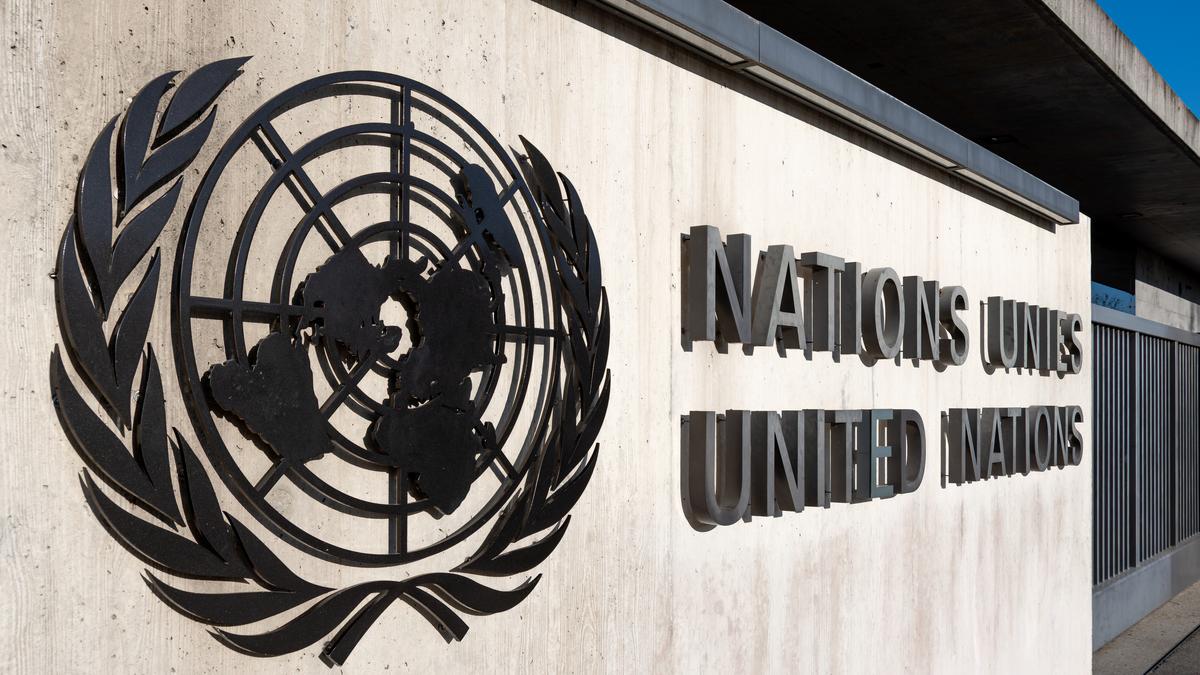
India and Israel voted against a UN resolution on regional conventional arms control, arguing that security concerns are global rather than regional. The resolution, led by Pakistan and Belarus, was otherwise overwhelmingly approved by the UN General Assembly's First Committee.
India and Israel Oppose UN Conventional Arms Control Resolution
In a rare display of alignment on the international stage, India and Israel cast the only two dissenting votes against a draft resolution concerning conventional arms control at regional and subregional levels within the United Nations General Assembly’s First Committee. The resolution, co-sponsored by Pakistan and Belarus, sought to address security dynamics through a regional framework. Despite the overwhelming support of 180 nations, the opposition from New Delhi and Tel Aviv highlights a fundamental disagreement over how modern security architectures should be structured.
The Global vs. Regional Debate
At the heart of India’s objection is the philosophical contention that conventional arms control cannot be effectively managed through regional or subregional silos. Anmol Sher Bedi, First Secretary at India’s Permanent Mission to the UN, articulated that security concerns are not confined within regional boundaries. For India, the proliferation of conventional arms is a global phenomenon, often fueled by cross-border dynamics and non-state actors that render traditional regional constraints insufficient or potentially detrimental to a nation's sovereign right to self-defense.
Strategic Divergence in Security Policy
India’s stance reflects a long-standing skepticism toward regional arms control frameworks that may be perceived as attempts to constrain its strategic autonomy. By voting against the resolution, India has signaled that it views its security environment as inextricably linked to broader global trends rather than isolated regional disputes. This perspective is mirrored by Israel, which has consistently maintained that its own security challenges—often characterized by unique geopolitical pressures—require a flexible, state-specific approach rather than restrictive regional mandates that could compromise its defense capabilities against multifaceted threats.
Implications of the UN Vote
While the resolution passed with a significant majority, the dissent from two key military powers underscores the complexity of international disarmament efforts. The UN General Assembly’s First Committee, which focuses on disarmament and international security, often faces such friction when attempting to apply one-size-fits-all solutions to diverse geopolitical theaters. This vote serves as a reminder that the path to global disarmament is rarely linear and is often interrupted by conflicting national security doctrines.
Historical Context and Future Trends
Historically, India has advocated for universal, non-discriminatory disarmament agreements rather than regional pacts that might be leveraged by regional rivals to influence the balance of power. As the global security landscape becomes increasingly interconnected, the divide between nations advocating for regional stability frameworks and those prioritizing global, comprehensive strategies is likely to persist. Future debates at the UN will likely continue to reflect this tension, as countries navigate the delicate balance between international cooperation and the preservation of national defense integrity.
Verification Required?