Another oil shock loading for India? How Red Sea disruptions may Russian crude supply
Source Entity
SMRITI JAIN
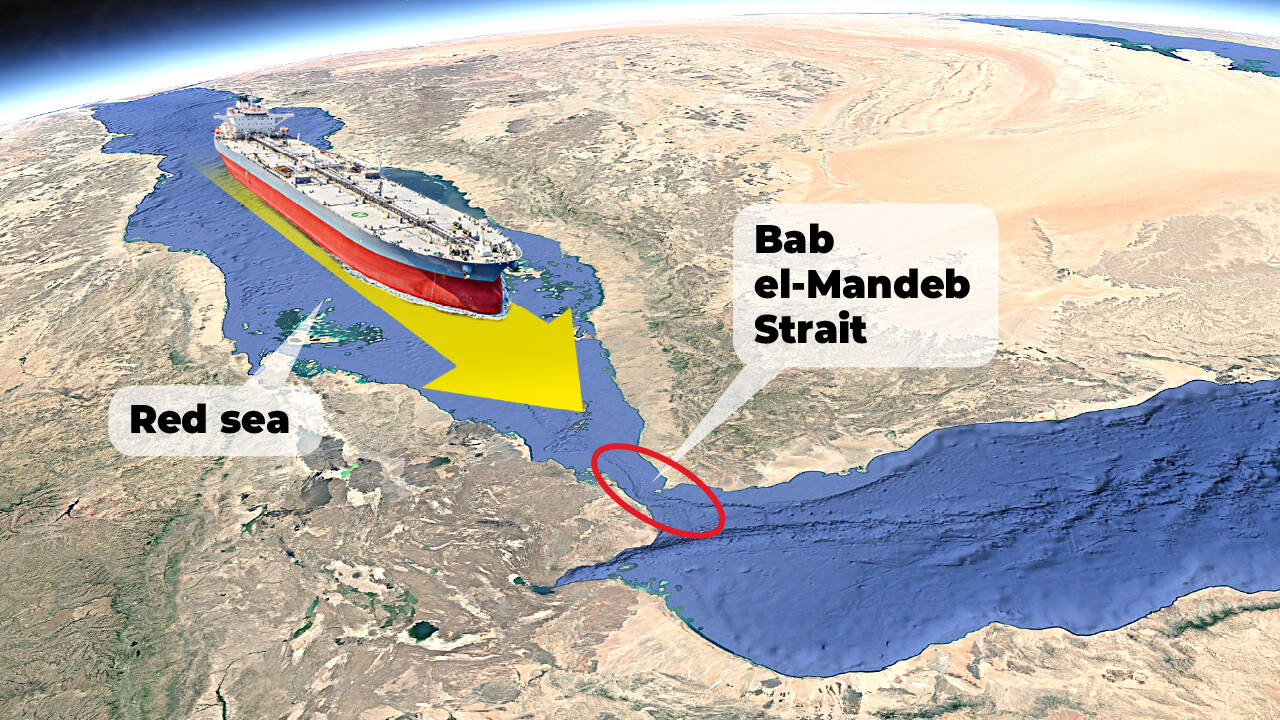
India is bracing for a potential new oil supply shock as Houthi threats against Saudi maritime exports compound existing disruptions in the Strait of Hormuz. To mitigate these risks, India has pivoted toward diversified procurement, notably increasing imports from Russia and Latin America.
The Fragility of Global Energy Transit
The global energy landscape is currently navigating a period of profound instability, centered on the strategic maritime chokepoints of the Middle East. The recent threats issued by the Iran-backed Houthi group regarding a blockade on Saudi Arabian crude exports have introduced a new layer of volatility to international energy markets. This development follows a period of sustained tension in the Bab el-Mandeb Strait, a vital artery for global trade, which now mirrors the precarious status of the Strait of Hormuz.
The Strategic Importance of Maritime Chokepoints
The Bab el-Mandeb Strait and the Strait of Hormuz are not merely geographic markers; they are the lifelines of the global economy. Before the recent escalation, the Strait of Hormuz served as the transit route for nearly 20% of the world's daily oil supply. The disruption of these routes—exacerbated by regional conflicts—directly threatens the flow of energy from the Gulf to major consumers, including India, which remains heavily dependent on these regions for its crude oil requirements.
Impact on India’s Energy Security
India has been at the epicenter of these logistical challenges. Following a significant oil supply shock in March 2026, the nation has been forced to rapidly adapt its procurement strategies. Data indicates that crude imports from the Middle East declined by approximately 27% to 1.55 million barrels per day during the April-June period. This decline is a direct consequence of the constrained traffic through the Strait of Hormuz following heightened regional military activities.
Diversification as a Survival Mechanism
To compensate for the loss of Gulf supplies, India has aggressively pursued a policy of diversification. By leveraging temporary waivers from Washington, India has successfully increased its intake of Russian crude, while simultaneously expanding its procurement from Latin American producers. This shift represents a calculated effort to insulate the domestic economy from the volatility inherent in Middle Eastern maritime shipping lanes.
Future Trends and Market Outlook
The prospect of a fresh oil shock, driven by the potential obstruction of Saudi exports, suggests that the current period of energy insecurity may be prolonged. As the Houthi threats persist, global markets are likely to remain sensitive to any further escalation in the Red Sea. For India, the long-term solution will necessitate not only the continued maintenance of a diversified procurement basket but also a sustained focus on energy independence and the potential acceleration of alternative energy sources to buffer against future geopolitical shocks.