India Summons Top Pakistan Diplomat To Protest Cross-Border Infiltration
Source Entity
NDTV News Search Records Found 1000
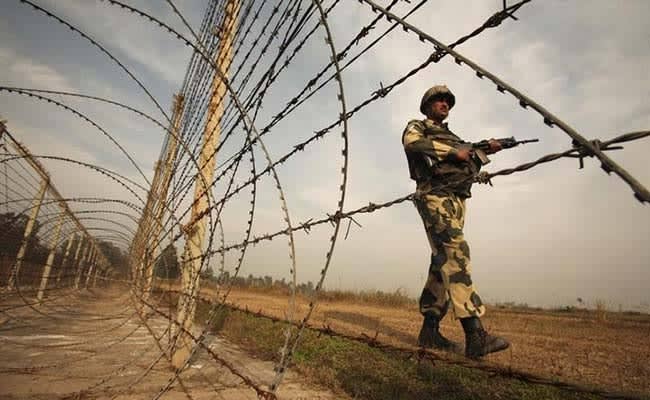
India and Pakistan have engaged in a diplomatic standoff following the BSF's killing of two Pakistani nationals attempting to cross the Punjab border. Both nations have summoned each other's diplomats, trading accusations regarding the nature of the individuals and the legitimacy of the security actions taken.
Diplomatic Tensions Escalate Over Punjab Border Incident
On October 3, 2026, a significant diplomatic friction point emerged between India and Pakistan following a lethal encounter along the International Border in the Tarn Taran district of Punjab. The Border Security Force (BSF) reported the killing of two Pakistani nationals who were allegedly attempting to infiltrate Indian territory. This event has triggered a familiar yet volatile cycle of diplomatic retaliation, highlighting the persistent fragility of the security situation along the western frontier.
Conflicting Narratives and Diplomatic Reciprocity
The immediate aftermath of the shooting saw both nations engage in the standard diplomatic protocol of summoning the other's Charge d’Affaires. Pakistan’s Ministry of Foreign Affairs (MoFA) issued a formal protest, categorizing the deceased as "unarmed civilians" and condemning what they described as "unprovoked lethal force" by Indian security personnel. Conversely, India rejected these claims outright, asserting that the individuals were involved in illegal infiltration, and utilized the diplomatic platform to protest the broader, ongoing issue of cross-border movement facilitation originating from Pakistan.
The Role of the BSF and Border Management
The BSF, India’s primary line of defense along the Pakistani border, operates under strict mandates to prevent unauthorized entry, which often involves high-stakes decision-making in dense, sensitive terrain like that of the Tarn Taran district. The decision to use lethal force suggests that the BSF perceived a significant security threat during the infiltration attempt. By subsequently conducting post-mortem procedures and facilitating the return of the bodies, the BSF attempted to adhere to standard humanitarian and legal protocols, even amidst the escalating political rhetoric.
Geopolitical Implications and Regional Stability
This incident is symptomatic of the broader, deeply entrenched animosity that characterizes India-Pakistan relations. Cross-border infiltration remains a central point of contention, with India frequently citing such movements as a precursor to terrorism or smuggling, while Pakistan often disputes these characterizations. The quick succession of diplomatic summons underscores the lack of direct, high-level communication channels, necessitating these formal protests to signal national resolve to both domestic and international audiences.
Future Trends and Security Outlook
Looking forward, the recurrence of such incidents poses a persistent challenge to regional stability. As long as the International Border remains a contested space, the potential for lethal encounters will continue to threaten the fragile peace. Future trends suggest that both nations will likely continue to utilize diplomatic summons as a primary tool for public posturing, while simultaneously increasing surveillance and border fortification measures to mitigate the risks of further unauthorized crossings. The reliance on these formal channels of communication, while tense, remains a necessary mechanism to prevent localized skirmishes from spiraling into broader military escalations.
Verification Required?