With decline in poverty, shift focus — from free food to nutritional security
Source Entity
Ashok Gulati, Ritika Juneja, Sulakshana Rao
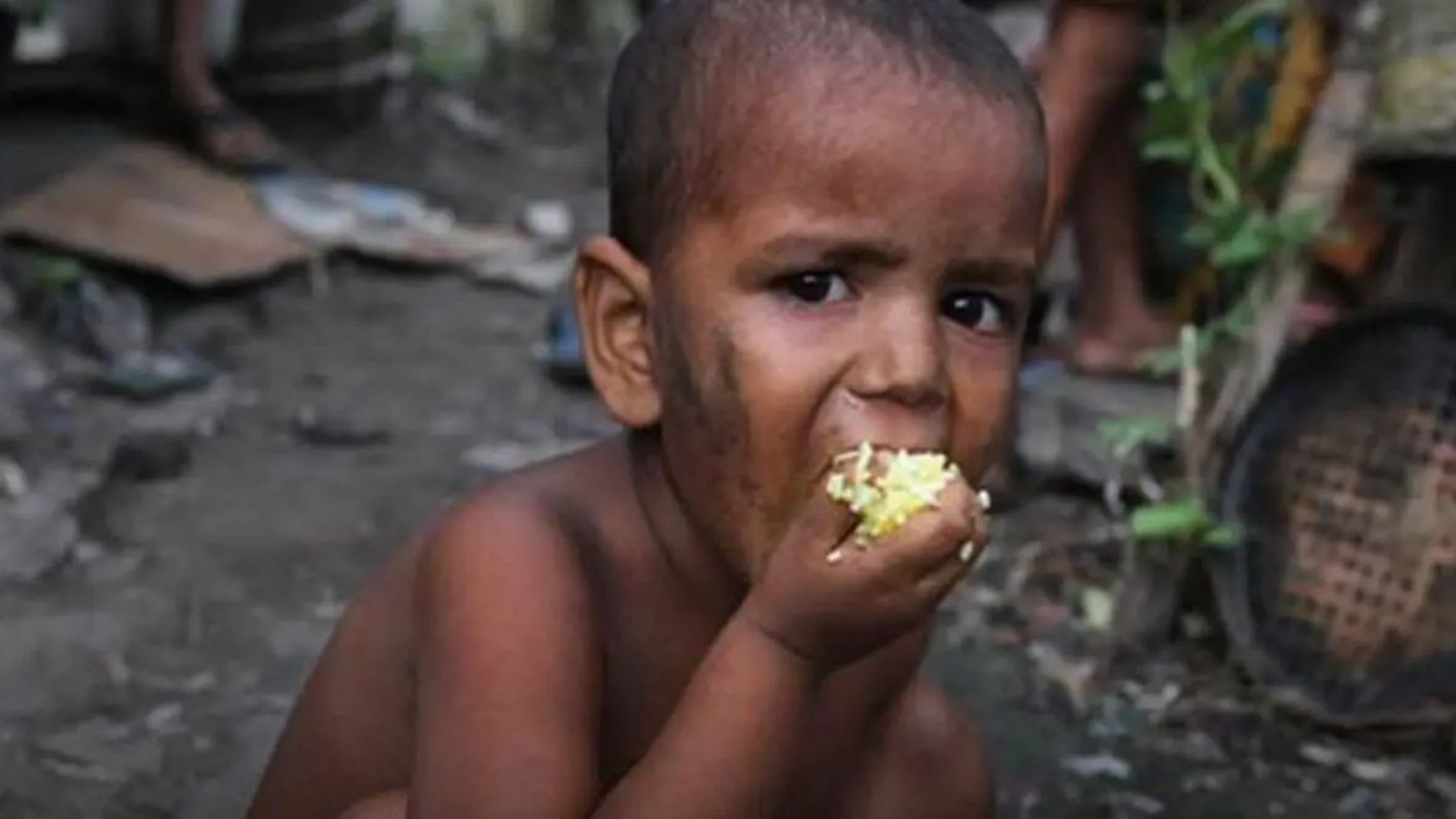
The World Bank's 2026 report highlights a significant decline in India's extreme poverty rates between 2011 and 2023. Experts now suggest shifting policy priorities from basic food subsidies to broader nutritional security.
A Milestone in Economic Development
The October 2026 World Bank India Poverty and Equity Brief provides a landmark assessment of the nation’s economic trajectory. According to the report, extreme poverty—measured at the $3.00 PPP threshold—has plummeted from 27.1 percent in 2011 to a mere 2.6 percent by 2023. This rapid contraction represents one of the most significant poverty reduction efforts globally, reflecting decades of structural reforms and economic growth.
Analyzing the Data Sources
The findings are anchored in rigorous data collection, utilizing the 2011–12, 2022–23, and 2023–24 Household Consumption and Expenditure Surveys (HCES). These surveys serve as the primary barometer for assessing living standards across India’s diverse demographic landscape. While the shift is undeniably positive, the World Bank maintains a degree of analytical caution, noting that improvements in data methodology and measurement precision account for a portion of the recorded gains, rather than solely reflecting changes in living conditions.
Historical Context and Long-term Trends
To understand the magnitude of this transition, one must look at the historical data. In 1983, approximately 78 percent of the Indian population lived below the poverty line, illustrating the sheer scale of the developmental distance covered over the last four decades. The decline has accelerated in recent years, moving from 57.7 percent to 16.1 percent at the $4.20 PPP threshold, marking a transition from survival-based economics to a more stable, albeit still developing, economic status for millions.
Shifting Policy Objectives
As the percentage of the population living in extreme poverty reaches historic lows, the policy discourse is fundamentally shifting. For years, the Indian state’s primary focus was the provision of basic food security to prevent starvation. However, the current data suggests that the focus must now transition toward nutritional security. It is no longer enough to provide calories; the government must prioritize the quality, diversity, and nutrient density of diets to address hidden hunger and long-term health outcomes.
Implications for Future Governance
This economic evolution necessitates a redesign of social safety nets. With fewer people requiring immediate life-saving food support, resources can be reallocated toward public health infrastructure, clean water, and nutritional education. This shift represents a maturation of India's social welfare model, moving from reactive poverty alleviation to proactive human capital development, which is essential for sustaining long-term economic growth.
Conclusion: The Path Forward
The World Bank report confirms that India has moved past the era of mass extreme poverty, setting the stage for a new phase of development. By leveraging these gains to focus on holistic nutritional security, policymakers can ensure that the economic growth seen over the last decade translates into improved life expectancy and quality of life for all citizens.