What is the Public Examinations (Prevention of Unfair Means) Amendment Bill | Explained
Source Entity
India Latest News: Top National Headlines Today & Breaking News | The Hindu
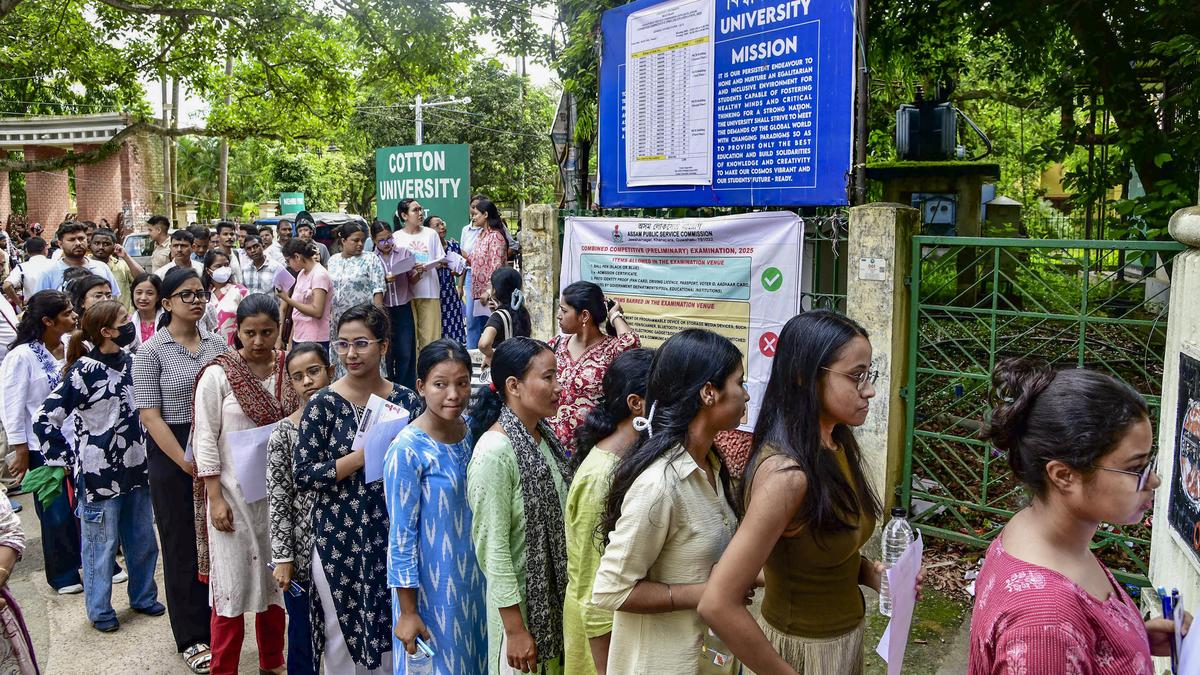
The Indian government has introduced the Public Examinations (Prevention of Unfair Means) Amendment Bill, 2026, to impose harsher penalties for paper leaks. Amidst ongoing protests and parliamentary gridlock, the legislation seeks to mandate 10-year prison terms and Rs 50 lakh fines to protect student interests.
Strengthening Exam Integrity: The 2026 Anti-Paper Leak Reforms
The introduction of the Public Examinations (Prevention of Unfair Means) Amendment Bill, 2026, marks a significant legislative pivot in India’s approach to curbing examination malpractice. By proposing a 10-year prison sentence and a substantial Rs 50 lakh fine, the government is signaling a shift toward zero-tolerance policies. This legislative move, steered by Union Minister of State for the PMO Jitendra Singh, is framed as a direct response to the systemic failures that have plagued competitive examinations and compromised the aspirations of millions of youth.
Legislative Mechanics and Enforcement
Beyond the headline-grabbing penalties, the bill introduces critical structural changes, most notably the implementation of a two-month cap on investigations. By providing statutory backing to fast-track courts, the government aims to move away from the sluggish judicial processes that have historically allowed perpetrators of exam fraud to evade immediate consequences. This administrative urgency is designed to restore public confidence in the recruitment and examination apparatus.
The Socio-Political Context of Protests
This legislative action arrives in the shadow of intense social unrest. Nationwide student protests, spearheaded by the Cockroach Janta Party (CJP), served as the primary catalyst for these reforms. The gravity of the situation was underscored by the resignation of Union Education Minister Dharmendra Pradhan, a move that reflects the immense political pressure exerted by the student body following the July 20 march to Parliament.
Parliamentary Standoff and Legislative Gridlock
While the Lok Sabha has begun debating the amendment, the legislative process in the Rajya Sabha remains paralyzed. Opposition members, including leaders like Pramod Tiwari and John Brittas, have successfully stalled proceedings for six consecutive days. Their demands for an apology from Home Minister Amit Shah regarding alleged police excesses during student protests highlight the deepening chasm between the executive and the opposition.
Broader Implications for Governance
The refusal of the Opposition to engage with the legislative agenda until their demands are met poses a challenge to the government's ability to pass critical bills. This includes not only the anti-paper leak amendments but also other controversial items like the Prevention of Insults to National Honour (Amendment) Bill, 2026. The current impasse suggests that until the underlying tensions regarding police conduct are addressed, the parliamentary environment will remain volatile.
Future Trends and Conclusion
Looking ahead, the success of the 2026 Amendment Bill will depend on the government’s ability to balance its punitive measures with the operational capacity of the judicial system. If the two-month investigation cap is implemented effectively, it could redefine the standard for administrative accountability in India. However, the ongoing political friction indicates that systemic reform will remain inextricably linked to the broader struggle for transparency and police accountability within the democratic process.
Multiple Citing Sources
Verification Required?