India’s 100 Grandmasters: How the numbers stack up state-wise
Source Entity
Latest News: Todays Latest News Headlines from India & World | Hindustan Times
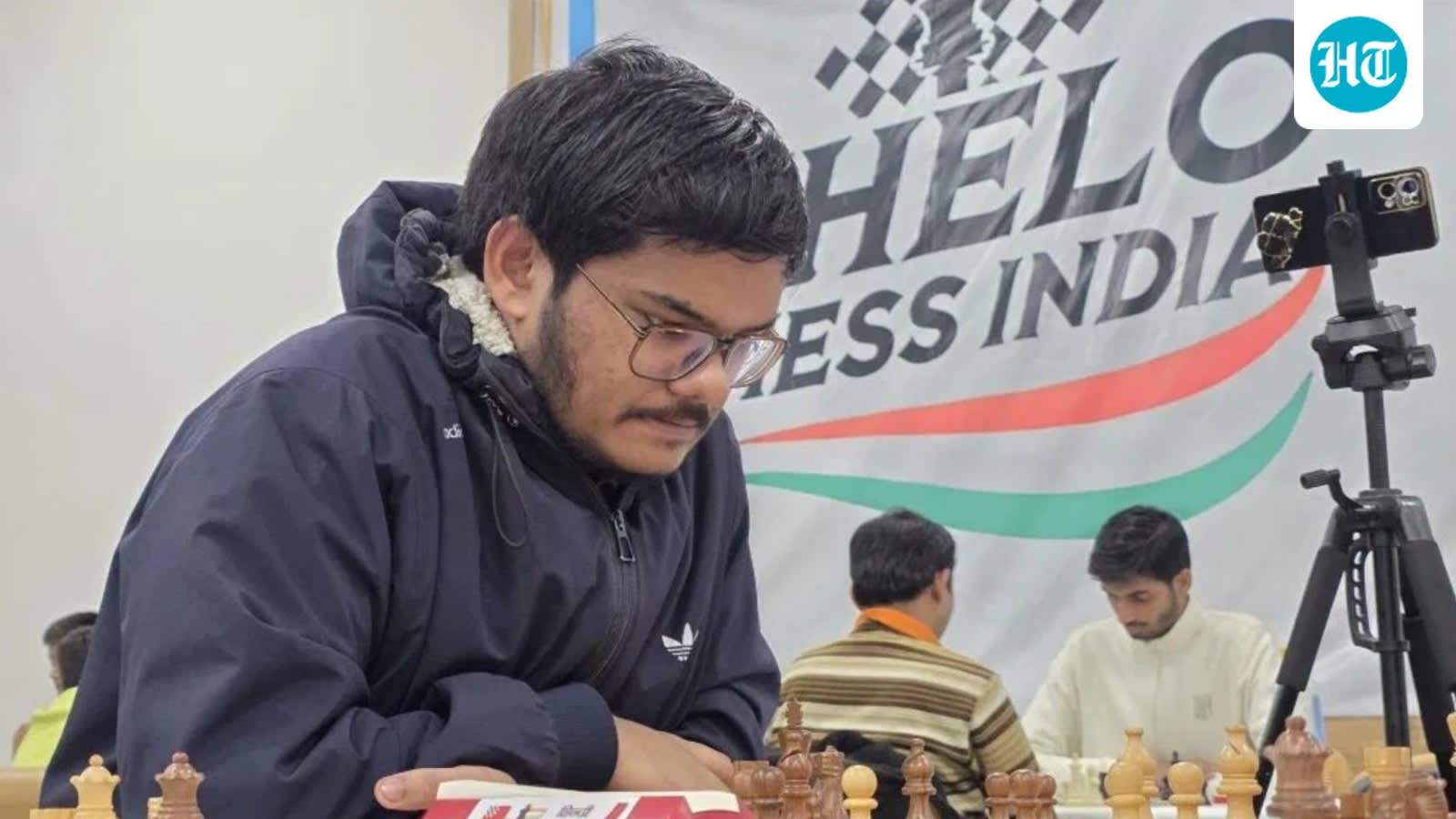
India has officially reached a historic milestone by producing its 100th chess Grandmaster, Anuj Shrivatri. Shrivatri achieved this feat in the Philippines, marking a significant rise in India's global standing in the sport since 1988.
A Historic Milestone: India Reaches 100 Chess Grandmasters
India has officially cemented its status as a global chess powerhouse, becoming only the fourth nation in history to produce 100 chess Grandmasters. This monumental achievement was realized on November 8, when Anuj Shrivatri, a talented player from Katni, Madhya Pradesh, secured the title following his victory at the 7th ASEAN Plus Individual Open Chess Championship in the Philippines. This milestone reflects not just an individual triumph for Shrivatri, but the culmination of nearly four decades of strategic growth within the Indian chess ecosystem.
The Long Road from 1988
The journey to 100 Grandmasters is a testament to the transformative impact of pioneers like Viswanathan Anand. For the first 27 years of organized competitive chess, India lacked a singular Grandmaster. That changed in 1988 when Anand broke the barrier, effectively igniting a movement that would eventually turn India into a global hub for the game. For two years, Anand remained the lone representative of India at the highest level, followed by Dibyendu Barua in 1991. The progress was slow initially, but the momentum shifted dramatically after the turn of the century.
Accelerating Growth and Regional Representation
By 2013, the count had reached 32, and the nation hit the halfway mark of 50 shortly thereafter. The rapid acceleration to 100 demonstrates the efficacy of chess training infrastructure and the rising popularity of the sport across diverse states. Anuj Shrivatri’s achievement is particularly significant as he is the first Grandmaster from the state of Madhya Pradesh, signaling that the chess revolution has successfully decentralized, moving beyond traditional strongholds to emerging regions.
Personal Sacrifice and Professional Dedication
Anuj Shrivatri’s path to the title was defined by immense personal sacrifice and unwavering commitment. A former software engineer at a German firm, Shrivatri made the bold decision to reject professional job offers to pursue his passion for chess. His journey was not without setbacks; he faced multiple unsuccessful attempts before finally breaking through in the Philippines. His transition from a hobbyist under his father’s guidance to a world-class athlete highlights the high stakes and financial risks that many aspiring GMs must navigate.
Broader Implications for Indian Sports
The emergence of the 100th GM serves as a cultural and sporting landmark. As celebrations coincided with the festival of Diwali, the achievement has been hailed as a source of pride for the nation. Shrivatri’s success, achieved after a challenging tournament performance where he rebounded from an early round loss, serves as a blueprint for young athletes regarding resilience. As he looks toward future tournaments, his focus remains on skill development and dominance, mirroring the broader trajectory of Indian chess players who are increasingly competitive on the international stage.
Future Trends in Indian Chess
The rapid rise in the number of Indian Grandmasters suggests a sustainable pipeline of talent that is likely to continue growing. With 100 GMs now established, the focus of the Indian chess community will likely shift toward maintaining high-level consistency and securing more World Championship contenders. The success of the current generation has normalized the path to professional chess, ensuring that the legacy started by Viswanathan Anand will continue to thrive for decades to come.
Verification Required?