'India Under No Pressure To Stop Buying Russian Oil': Minister Hardeep Puri
Source Entity
NDTV News Search Records Found 1000
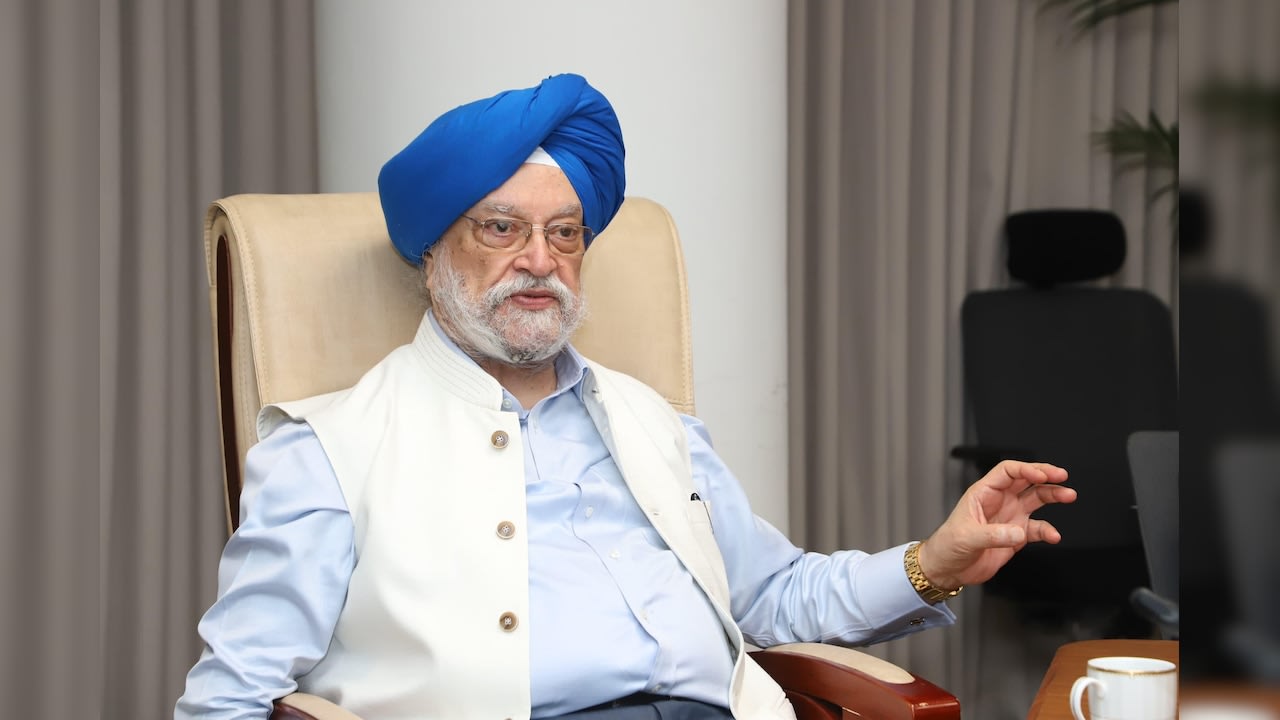
Union Minister Hardeep Singh Puri stated that India faces no pressure to halt Russian oil imports while positioning the nation as a global refining hub. India aims to increase its refining capacity to 300 million tonnes annually by 2030 to meet domestic and international demand.
India's Strategic Energy Autonomy and Refining Ambitions
Union Minister for Petroleum and Natural Gas, Hardeep Singh Puri, has firmly rejected claims that India is under external pressure to cease its procurement of Russian crude oil. This assertion comes at a time of significant geopolitical volatility, where India’s energy diplomacy has been characterized by a pragmatic approach, prioritizing the country's domestic energy security and economic stability. By decoupling its purchasing decisions from Western geopolitical pressures, India continues to secure affordable energy supplies, which remain critical for its rapidly expanding industrial base.
Scaling Refining Capacity for Global Markets
Beyond current procurement strategies, India is aggressively positioning itself as a cornerstone of the global energy supply chain. Minister Puri announced plans to elevate India’s refining capacity from the current 290 million tonnes per annum to 300 million tonnes by 2030. This expansion is designed to capitalize on a unique market vacuum: while Western nations and Europe face declining refinery output due to aging infrastructure and stringent energy transition policies, India is scaling up its processing capabilities through both brownfield expansions and new infrastructure projects.
The Strategic Shift in Global Energy Flows
This trend signals a profound shift in the global energy landscape. As established refining hubs in the West contract, India is stepping in to fill the void, effectively becoming a primary exporter of petroleum products. By enhancing its domestic processing power, India is not merely ensuring internal energy security; it is transforming into a critical node in the global energy trade, capable of stabilizing international supply chains during periods of volatility.
Technical Innovation and Future Trends
The announcement, made during the 29th Energy Technology and Innovation Meet in Goa, underscores the role of technological modernization in this expansion. The focus on scaling existing facilities suggests a strategic emphasis on efficiency and cost-effectiveness. As India integrates more advanced refining technologies, it expects to meet its growing domestic energy needs while simultaneously increasing its output for export, thereby strengthening its trade balance and geopolitical influence.
Conclusion: A Pragmatic Path Forward
Ultimately, India’s dual strategy of maintaining its current import partnerships while aggressively expanding its refining footprint reflects a sophisticated national interest policy. By focusing on infrastructure growth and maintaining independent energy procurement, India is successfully navigating the complexities of the global market. The commitment to reaching 300 million tonnes of refining capacity by 2030 positions the nation as a resilient and indispensable player in the future of the global energy economy.
Multiple Citing Sources
Verification Required?