'Cosmetic exercise to camouflage illegal occupation': MEA rejects Pak polls in PoK
Source Entity
AASTHA JHA
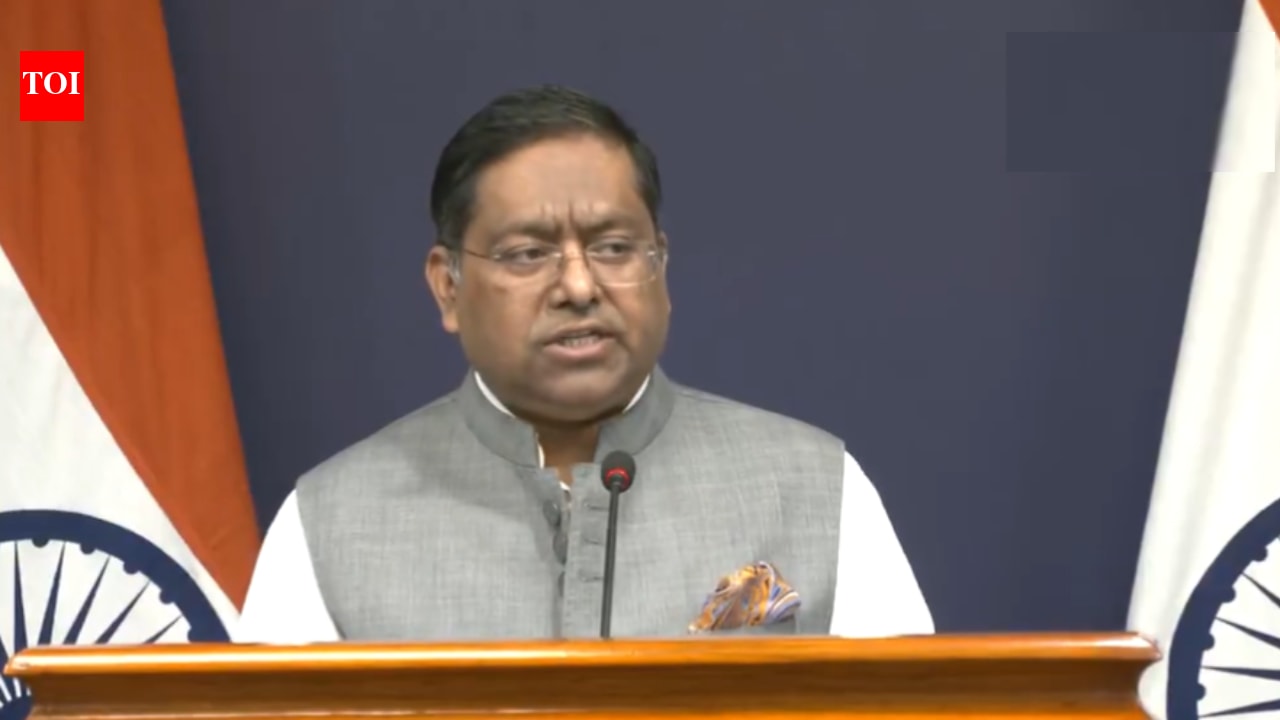
The Indian Ministry of External Affairs has officially rejected the legitimacy of elections held in Pakistan-occupied Kashmir. India maintains its firm stance that these territories remain an integral part of its sovereign domain.
India Rejects Pakistan-Occupied Kashmir Polls
A Diplomatic Stance on Sovereignty
The Indian Ministry of External Affairs (MEA) has issued a sharp rejection of the recent electoral process conducted in Pakistan-occupied Kashmir (PoK). By characterizing the exercise as a "cosmetic exercise to camouflage illegal occupation," the Indian government has reaffirmed its long-standing policy regarding the disputed territory. This formal statement serves as a diplomatic signal to the international community that India does not recognize the political legitimacy of administrative actions taken by Pakistan within the region.
Historical Context of the Dispute
The roots of this conflict trace back to the partition of India in 1947, which led to the instrument of accession signed by the Maharaja of Jammu and Kashmir. India has consistently maintained that the entirety of the former princely state is an integral part of its territory. Pakistan, however, has maintained control over the areas of Azad Kashmir and Gilgit-Baltistan, leading to decades of geopolitical friction. The MEA's latest statement is a continuation of India's historical insistence that Pakistan's presence in these areas constitutes an illegal occupation.
Analyzing the "Cosmetic" Critique
When the MEA labels these elections as "cosmetic," it is highlighting a perceived lack of democratic authenticity and international legality. From India's perspective, these elections are designed to provide a veneer of local governance to a region that is fundamentally under the military and administrative control of Islamabad. By framing the polls as a camouflage, the Indian government seeks to delegitimize the narrative that these elections represent the genuine will of the local populace, instead viewing them as a tool for political posturing.
Broader Geopolitical Implications
This development occurs against a backdrop of complex bilateral relations between India and Pakistan. The rejection of these polls underscores the persistent deadlock regarding the status of the Kashmir region. As both nations continue to navigate internal pressures and international scrutiny, such statements serve to harden positions and reinforce the status quo. The diplomatic friction generated by these elections complicates potential pathways for future dialogue or de-escalation in the border regions.
Future Trends and Outlook
Looking forward, it is likely that India will continue to utilize such diplomatic rebukes to ensure its territorial claims remain prominent in international forums. As global focus shifts toward regional stability, the issue of PoK remains a central pillar of India's foreign policy strategy. The persistent rejection of Pakistan's internal administrative maneuvers in the region suggests that there will be no softening of India's stance in the near term, ensuring that the status of PoK remains a significant point of contention in South Asian geopolitics.