India hits back at UN rights office over remarks on Delhi protests, calls concerns ‘misplaced’
Source Entity
Latest News: Todays Latest News Headlines from India & World | Hindustan Times | Hindustan Times
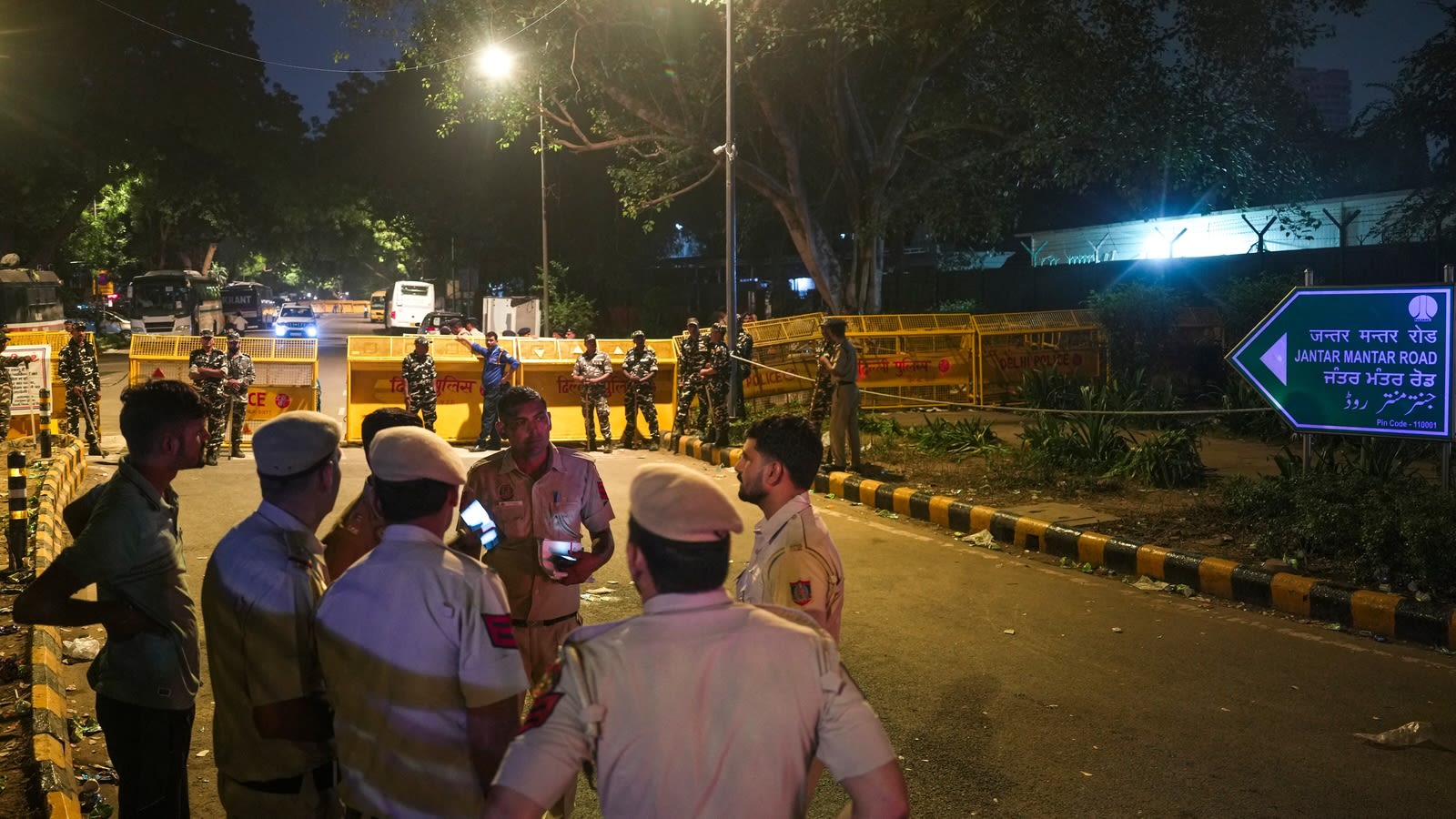
India has formally rejected criticism from the UN Human Rights Office regarding mass detentions during protests in New Delhi. The government maintains that its constitutional framework guarantees peaceful assembly while labeling the UN's intervention as unwarranted interference.
Diplomatic Tensions: India Rejects UN Human Rights Office Critique
Recent events in New Delhi have sparked a diplomatic standoff between the Indian government and the Office of the United Nations High Commissioner for Human Rights (OHCHR). Following a protest organized by the Cockroach Janta Party (CJP) against Chief Election Commissioner Gyanesh Kumar, reports of mass detentions prompted the UN body to issue a statement expressing concern. The UN urged Indian authorities to ensure that restrictions on protests meet the international standards of "necessity and proportionality" and called for the immediate release of those allegedly detained arbitrarily.
The Indian Government’s Stance
In a swift and sharp rebuttal, the Permanent Mission of India to the UN in Geneva issued a statement on X (formerly Twitter), categorically rejecting the OHCHR’s remarks. The Indian government characterized the UN’s involvement as "misplaced" and an "unwarranted interference" in India's sovereign internal affairs. By framing the situation as a domestic legal matter, New Delhi reinforced its position that external bodies lack the jurisdiction to critique the operational management of civil order within its borders.
Constitutional Guarantees vs. Public Order
Central to the Indian government's defense is the assertion that the right to peaceful assembly is a core tenet of the Indian Constitution. However, the government emphasized that this right is not absolute and remains subject to "reasonable restrictions" implemented in the interest of maintaining public order. This legal framework, according to the government, is supported by a robust system of institutions, including an independent judiciary and a free media, which are tasked with upholding democratic values and civil liberties.
The Context of the CJP Protests
The protests, led by the CJP, were centered on allegations of electoral roll irregularities involving Chief Election Commissioner Gyanesh Kumar. The escalation of these demonstrations at Jantar Mantar led to a heavy police presence and subsequent mass detentions. As of the latest reports, CJP members have expressed continued concern regarding the whereabouts of their leadership, with plans for further demonstrations signaling a potential for ongoing friction between the political organization and state authorities.
Broader Implications for Global Governance
This incident highlights the recurring friction between international human rights monitoring bodies and sovereign nations regarding the interpretation of democratic protest rights. While the UN emphasizes the "necessity and proportionality" test to protect protesters, nations like India often view such rhetoric as a challenge to their internal security mandate. As global scrutiny on electoral integrity and civil rights intensifies, the tension between international oversight and national sovereignty remains a critical fault line in modern diplomacy.
Future Outlook
Given the CJP's stated intent to continue their protest activities, the situation in New Delhi remains fluid. Future developments will likely hinge on the government’s ability to balance its commitment to constitutional assembly rights with its duty to manage public order. Observers will be watching to see if the OHCHR continues to press for transparency regarding the detainees or if the diplomatic discourse shifts to bilateral channels, moving away from public confrontations on the international stage.
Multiple Citing Sources
Verification Required?