Why ethanol diversion is not to blame for soaring sugar prices
Source Entity
Harish Damodaran
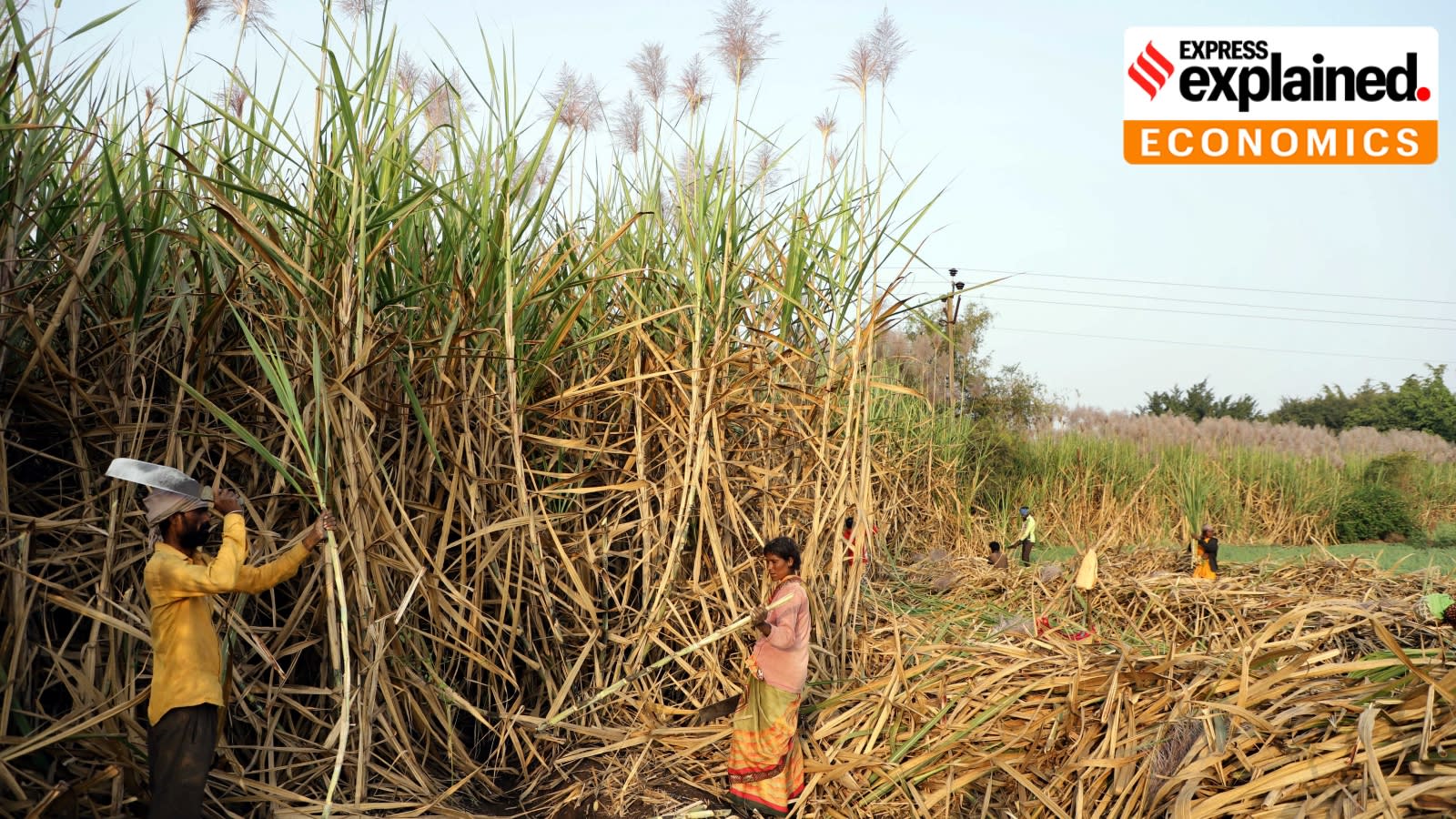
The Indian government has imposed stockholding limits on bulk sugar consumers and allowed duty-free raw sugar imports to combat a 40% price surge. These measures aim to stabilize domestic supply ahead of the festive season amidst criticism regarding ethanol production policies.
Addressing India's Sugar Supply Crisis
In a decisive move to stabilize the domestic sugar market, the Indian government has initiated a two-pronged strategy to combat a 40% price surge observed over the last two months. By imposing strict stockholding limits on bulk consumers and permitting the duty-free import of 10 lakh metric tonnes of raw sugar until October 31, the Centre is attempting to preemptively manage supply chain volatility before the peak festive season.
Impact on Institutional Buyers
The newly mandated stockholding limits are specifically targeted at large-scale institutional buyers. This includes confectioners, soft drink manufacturers, food processing industries, and sweetmeat sellers who consume at least ten metric tonnes of sugar monthly. By limiting the inventory these entities can hold, the government aims to prevent hoarding and ensure that sugar remains available in the retail market, where price inflation has reached record highs of nearly 10% in the last month alone.
The Role of Domestic Production and Weather
This inflationary pressure is largely attributed to a significant decline in domestic sugarcane production. Unfavorable weather conditions have hampered crop yields, creating a supply-demand mismatch that has forced the government to open doors for international procurement. The decision to allow duty-free imports of raw sugar is a critical fiscal intervention designed to bridge the domestic supply gap and prevent further price escalation during a period of high consumer demand.
Political Backlash and Policy Debate
However, these measures have drawn political fire. Critics, including Arvind Kejriwal, have questioned the efficacy of the government's long-term agricultural and energy policies. Specifically, the push for ethanol production—which utilizes sugarcane as a feedstock—has been blamed for diverting resources away from the sugar supply chain. The allegation is that an over-emphasis on ethanol has exacerbated the sugar shortage, necessitating the utilization of foreign exchange reserves to import sugar that could have been produced domestically.
Broader Economic Implications
The intersection of food security, energy policy, and fiscal management is at the heart of this issue. As India navigates the complexities of the global sugar market, the potential for international price volatility remains a concern. The government's intervention serves as a temporary stabilizer, but it highlights the precarious balance between incentivizing biofuel production and maintaining affordable food prices for a population where sugar is a staple commodity.
Future Outlook
Looking ahead, the effectiveness of these measures will depend on how quickly imported supplies hit the market and whether the festive season demand stabilizes. The government faces the ongoing challenge of balancing the needs of the sugar industry, the requirements of the ethanol blending program, and the necessity of keeping essential food items affordable. Policy adjustments may be required if weather-related production deficits persist into the next harvest cycle.
Multiple Citing Sources