India moves to give its instant payments network a business model
Source Entity
Jagmeet Singh
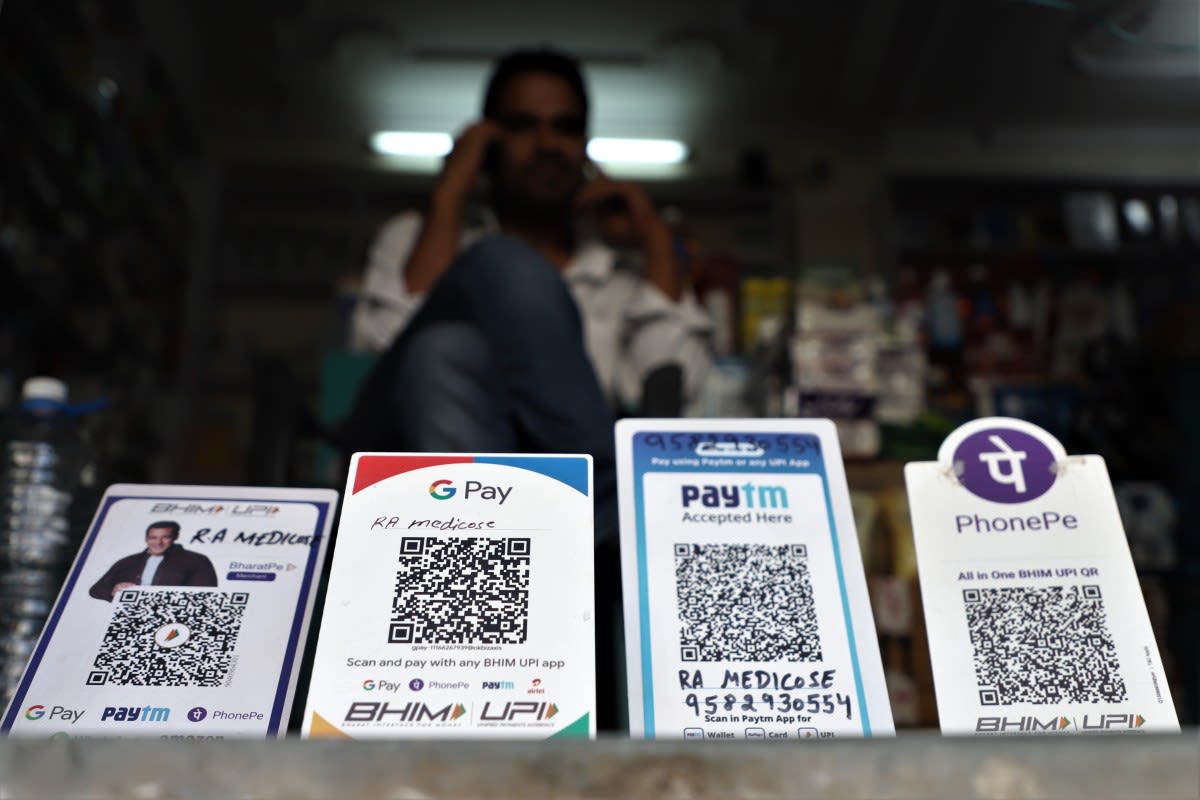
The Indian government is considering ending the zero-merchant-discount-rate regime for UPI transactions exceeding ₹2,000. This policy shift aims to create a sustainable business model for the ubiquitous payment network while ensuring that the vast majority of small daily purchases remain free of charge.
The Evolution of India's Digital Payment Landscape
India is currently navigating a pivotal transition in its digital financial infrastructure as the government moves to reshape the business model of the Unified Payments Interface (UPI). Since its inception, UPI has been defined by a zero-merchant-discount-rate (MDR) regime, a policy implemented in January 2020 to catalyze rapid adoption across the nation. By removing the financial burden on merchants for accepting digital payments, the government successfully integrated millions of small businesses into the formal economy, resulting in a staggering 23.66 billion transactions processed in July alone, totaling approximately ₹29.88 trillion ($313.4 billion).
Moving Toward a Sustainable Financial Ecosystem
The proposed legislation marks a strategic shift from pure adoption-led growth to long-term sustainability. The reliance on a zero-MDR model, while effective for market penetration, places significant pressure on the National Payments Corporation of India (NPCI) and the banking infrastructure supporting these high-volume transactions. By laying the legal groundwork to potentially reintroduce fees, the government is signaling that the UPI ecosystem is mature enough to support a revenue-generating model that can help offset the operational costs of maintaining such a robust, high-availability digital network.
Precision Policy: Protecting the Consumer
Crucially, the government’s approach is highly targeted, aiming to balance fiscal sustainability with public accessibility. Current proposals suggest that fees will only apply to business-to-consumer (B2C) transactions exceeding ₹2,000. This threshold is specifically designed to protect the average consumer's daily life; typical small-ticket purchases, such as daily grocery runs or taxi fares, will remain entirely unaffected. According to official estimates, this adjustment will impact only five percent of total UPI transactions, ensuring that the burden of the new fee structure falls on high-value commercial exchanges rather than the common user.
Industry Implications and Future Trends
As the policy takes shape, industry experts are closely watching the implementation details. There is significant anticipation regarding the introduction of a potential ceiling on the absolute amount charged for these transactions. Establishing a cap is vital to maintaining the competitive advantage of UPI compared to traditional credit card networks, which often impose higher percentage-based fees. If executed correctly, this tiered approach could stabilize the economics of digital payments in India without stifling the momentum of the digital economy.
Conclusion: A Mature Digital Economy
The transition away from a strictly subsidized model reflects the broader maturation of the Indian fintech landscape. By creating a framework where high-value commercial transactions contribute to the network’s upkeep, India is ensuring that its payment infrastructure remains resilient and innovative. As the country continues to lead the world in real-time payment volumes, this legislative evolution serves as a blueprint for how emerging economies can scale digital financial inclusion while simultaneously building a self-sustaining commercial environment.