Who will ask if you’re home? The economy growing around urban loneliness
Source Entity
VIJAYA SRIVASTAVA
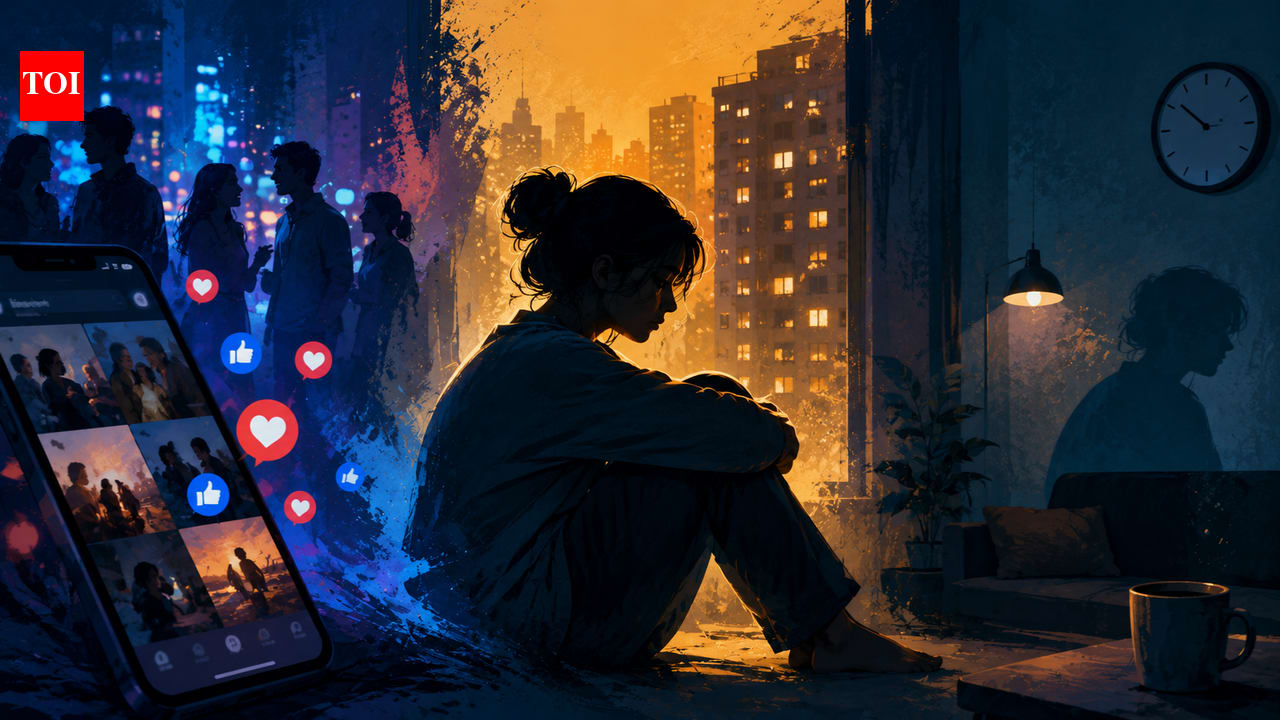
India is grappling with a dual crisis of rapid urbanization and an aging population, leading to unprecedented levels of loneliness. This shift is giving rise to a new 'silver economy' that commodifies companionship and care as traditional family structures continue to decline.
The Silent Crisis: Urban Loneliness in Modern India
India is currently navigating a profound societal transformation, characterized by rapid urbanization and a demographic shift toward an aging population. As traditional support systems like the joint family structure continue to erode in favor of nuclear, urban living, a significant portion of the population—ranging from young migrants to the elderly—is experiencing acute isolation. Recent data, including findings that rank India among the loneliest nations globally, underscores that this is not merely a personal struggle but a systemic crisis affecting the nation's social fabric.
The Demographic Shift and the 'Silver Economy'
The statistical reality of India's aging population is stark. With the number of citizens aged 60 and above projected to climb from 100 million in 2011 to approximately 230 million by 2036, the country faces an urgent need for sustainable care infrastructure. This demographic bulge has catalyzed the emergence of the 'silver economy,' a market-driven ecosystem designed to cater to the specific needs of the elderly. From assisted living facilities to companionship services, these market-based solutions are increasingly stepping in where traditional family care has faltered.
The Erosion of Traditional Support Structures
Historically, the Indian social model relied heavily on the joint family to provide emotional and physical security for the elderly. However, the migration of the youth to urban centers in search of economic opportunity has left many older adults behind in smaller, disconnected household units. This 'thinning out' of social support has created a vacuum, leaving individuals without the intrinsic belonging that once defined the Indian experience. The shift from communal living to urban, individualistic flats mirrors a broader global trend of social fragmentation.
The Business of Connection
As loneliness becomes a quantifiable pain point, it has inevitably become a market opportunity. The 'business of being heard' represents a new frontier where emotional support is professionalized. Companies are now monetizing weekends and daily interactions, offering services that range from professional listeners to organized social events for the elderly. This commodification of human connection highlights a disturbing reality: that in the modern urban economy, the basic human requirement of companionship is becoming a luxury good.
Future Implications and Policy Needs
The economic and social implications of this transition are immense. If loneliness remains unaddressed, it risks becoming a permanent feature of the Indian urban landscape, potentially impacting public health and the overall productivity of the aging workforce. Moving forward, policymakers and stakeholders must look beyond market-based solutions and consider how to reintegrate social cohesion into urban planning. Addressing loneliness as a fundamental human requirement is essential to ensuring that India’s rapid growth does not come at the cost of its citizens' mental and emotional well-being.