Government to move Bill in Rajya Sabha today to make insult to Vande Mataram a criminal offence
Source Entity
India Latest News: Top National Headlines Today & Breaking News | The Hindu
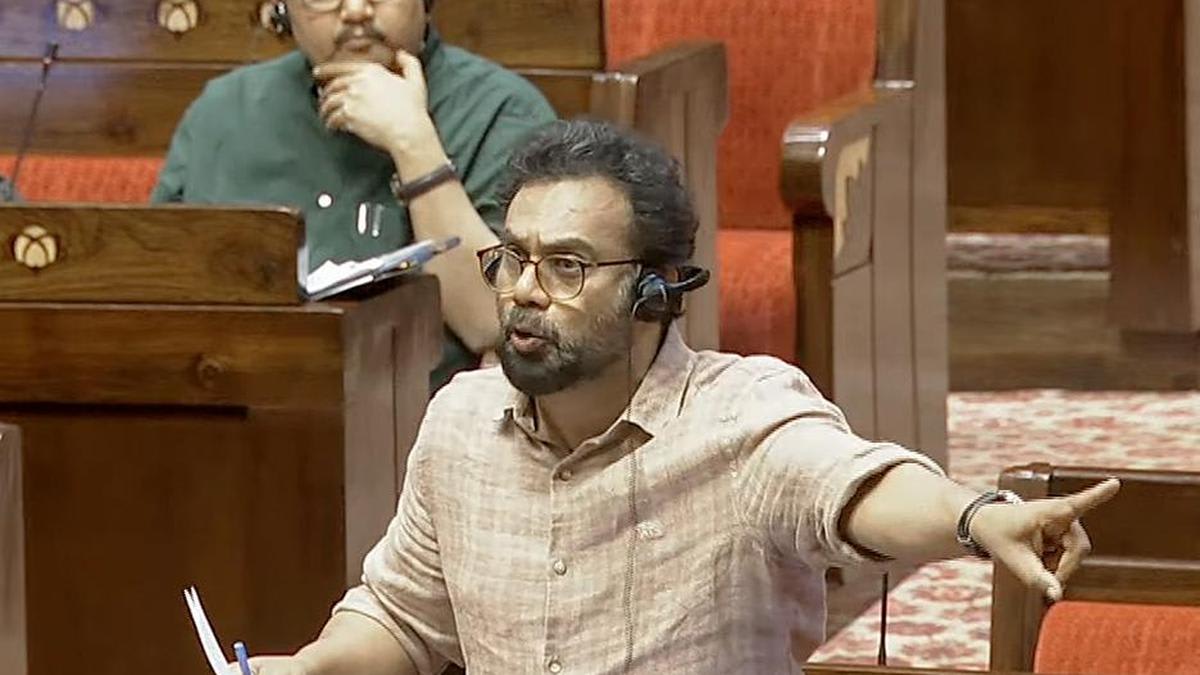
The Indian government is set to introduce the Prevention of Insults to National Honour (Amendment) Bill, 2026, to make insulting 'Vande Mataram' a criminal offense. This move seeks to grant the National Song the same statutory protection as the National Anthem.
Legal Fortification of National Symbols: The 2026 Amendment
In a significant legislative move, the Government of India is preparing to introduce the Prevention of Insults to National Honour (Amendment) Bill, 2026. This bill, scheduled for introduction in the Rajya Sabha on the opening day of the Monsoon Session (July 20, 2026), represents a strategic effort to elevate the legal status of the National Song, 'Vande Mataram'. By proposing that any obstruction or insult to the song be treated as a criminal offense, the government aims to bring 'Vande Mataram' to a state of legal parity with the National Anthem, 'Jana Gana Mana'.
The Framework of the 1971 Act
To understand the weight of this amendment, one must look at the Prevention of Insults to National Honour Act, 1971. For over five decades, this legislation has served as the primary legal shield for India's most sacred national symbols. Currently, the Act mandates that any act of desecration or disrespect toward the National Flag, the Constitution of India, and the National Anthem is a punishable offense. The existing legal framework is stringent, providing for penalties that can include up to three years of imprisonment, emphasizing the state's commitment to maintaining the sanctity of these symbols.
Establishing Parity Between Song and Anthem
The core objective of the 2026 Amendment Bill is the removal of the legal distinction between the National Anthem and the National Song. While both hold immense cultural and patriotic value, the 1971 Act previously provided specific statutory protections to 'Jana Gana Mana' that were not explicitly extended to 'Vande Mataram' in the same manner. By granting statutory protection to 'Vande Mataram', the government is effectively codifying the sentiment that the National Song is an equal pillar of national identity, ensuring that any form of disrespect is met with the same legal consequences as an insult to the anthem.
Legislative Process and Implementation
The bill is expected to be tabled by Union Home Minister Amit Shah, signaling its high priority within the government's legislative agenda. The choice of the Rajya Sabha for the initial introduction during the Monsoon Session suggests a push for rapid parliamentary processing. The proposed law specifically targets two types of actions: obstruction in the singing of the National Song and insulting it in any form. This broad phrasing suggests that the government intends to cover a wide spectrum of activities, ranging from physical disruptions during official ceremonies to symbolic acts of disrespect.
Analysis of Legal Implications
From a legal perspective, the extension of the three-year imprisonment provision to 'Vande Mataram' creates a powerful deterrent. The term "insult" in legal contexts often requires judicial interpretation; however, by anchoring this to the 1971 Act, the government is utilizing a well-established legal precedent. This move will likely lead to a more standardized application of the law across different states, reducing ambiguity regarding how the National Song should be treated in public and official spheres compared to the National Anthem.
Broader Sociopolitical Trends and Future Outlook
This legislative shift reflects a broader trend of strengthening national identity and institutionalizing patriotic symbols. By codifying the protection of 'Vande Mataram', the state is reinforcing the symbolic link between the song's historical significance and modern national pride. Looking forward, this move may prompt further reviews of other national symbols or the introduction of stricter guidelines regarding the protocol for national honors. The integration of the National Song into the 1971 Act ensures that the legal machinery of the state is fully aligned with the cultural status of the song.
Conclusion
The Prevention of Insults to National Honour (Amendment) Bill, 2026, is more than a simple legal tweak; it is a deliberate act of elevating 'Vande Mataram' to the highest tier of statutory protection. By aligning the penalties for insulting the National Song with those of the National Anthem, the Indian government is consolidating the legal framework surrounding national honor and ensuring that the symbols of the state are protected with unwavering consistency.
Multiple Citing Sources
Verification Required?