Rohit Sharma out, but no such threat to Virat Kohli; Gambhir, Agarkar convinced he’s India’s automatic World Cup pick
Source Entity
Latest News: Today's Latest News Headlines from India & World | Hindustan Times | Hindustan Times
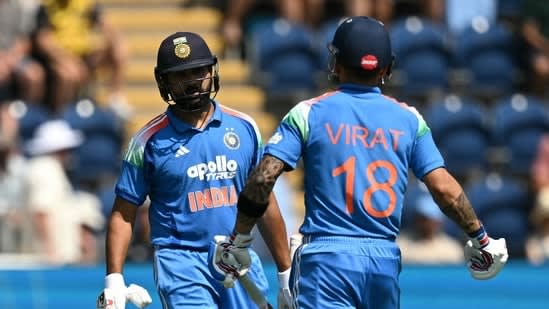
Indian team management, led by Gautam Gambhir and Ajit Agarkar, is reportedly moving beyond Rohit Sharma for the upcoming 50-over World Cup. While Virat Kohli remains an automatic selection, the team plans to give Yashasvi Jaiswal an extended run in the squad.
The End of an Era: Analyzing the Selection Shift in Indian ODI Cricket
The landscape of the Indian One Day International (ODI) setup is undergoing a seismic shift as the team prepares for the 50-over World Cup next year. For years, the duo of Rohit Sharma and Virat Kohli—affectionately termed 'RoKo' by fans—have served as the bedrock of India's batting order. However, recent reports indicate that the team management, headed by coach Gautam Gambhir and chief selector Ajit Agarkar, is now treating these two legends as separate entities rather than a collective unit. This strategic divergence marks a critical turning point in India's quest for global dominance, signaling a willingness to prioritize current form and future longevity over historical legacy.
The Decline and Departure of Rohit Sharma
The most startling revelation is the decision to look beyond Rohit Sharma for the World Cup. This move appears to be driven by a combination of declining performance and a desire for a fresh start. During the current series against England, Rohit has struggled significantly, posting disappointing scores of 11 and 26. For a management team known for taking "harsh but strong calls" to maintain the national side's standing, these numbers are likely unacceptable. The report suggests that the upcoming third ODI against England could serve as Rohit's final appearance in the blue jersey, effectively closing a chapter on one of the most prolific careers in limited-overs cricket. The context is further complicated by the fact that Rohit had previously announced his retirement from the format last year after a lack of clarity from the selection committee.
The Indispensability of Virat Kohli
In stark contrast to Rohit's precarious position, Virat Kohli remains an untouchable asset in the eyes of the think tank. Both Ajit Agarkar and Gautam Gambhir are reportedly convinced that Kohli is an "automatic pick" for the next World Cup. This distinction highlights a calculated approach by the management: while they are willing to phase out one legend, they recognize that Kohli's specific value to the middle order remains irreplaceable. By securing Kohli's place, the management ensures a level of stability and veteran leadership, allowing them to experiment more aggressively at the top of the order without risking the entire structural integrity of the batting lineup.
Paving the Way for Yashasvi Jaiswal
A primary driver for the transition away from Rohit Sharma is the emergence of Yashasvi Jaiswal. The selectors have identified a critical window of approximately 20 ODIs leading up to the World Cup to provide Jaiswal with an "extended run" in the side. This strategy is designed to integrate young talent into the high-pressure environment of international cricket, ensuring that by the time the tournament arrives, the new opening combination is battle-hardened and cohesive. This shift reflects a broader trend in modern cricket where teams are increasingly favoring youth and agility over experience when the performance gap becomes marginal.
Strategic Implications and Future Trends
The decision-making process led by Gambhir and Agarkar suggests a shift toward a meritocratic and ruthless selection policy. By decoupling the fates of Rohit and Kohli, the management is sending a clear message: no player, regardless of their stature, is safe if their form dips. This approach is likely to create a more competitive atmosphere within the squad, pushing other players to maintain peak performance. Looking forward, this transition could lead to a more aggressive, youth-centric approach in the powerplay overs, potentially altering India's tactical approach to the 50-over game.
Summary of the Transition
In conclusion, the Indian ODI team is entering a period of forced evolution. The potential exit of Rohit Sharma, contrasted with the guaranteed presence of Virat Kohli and the elevation of Yashasvi Jaiswal, represents a balancing act between experience and evolution. While the loss of Rohit's leadership and explosive starts will be felt, the commitment of Gambhir and Agarkar to a "strong call" philosophy indicates a belief that this transition is necessary for India to remain competitive on the world stage.
Verification Required?