Navy to commission sub hunter Malvan to counter China, Pak threat
Source Entity
SURENDRA SINGH
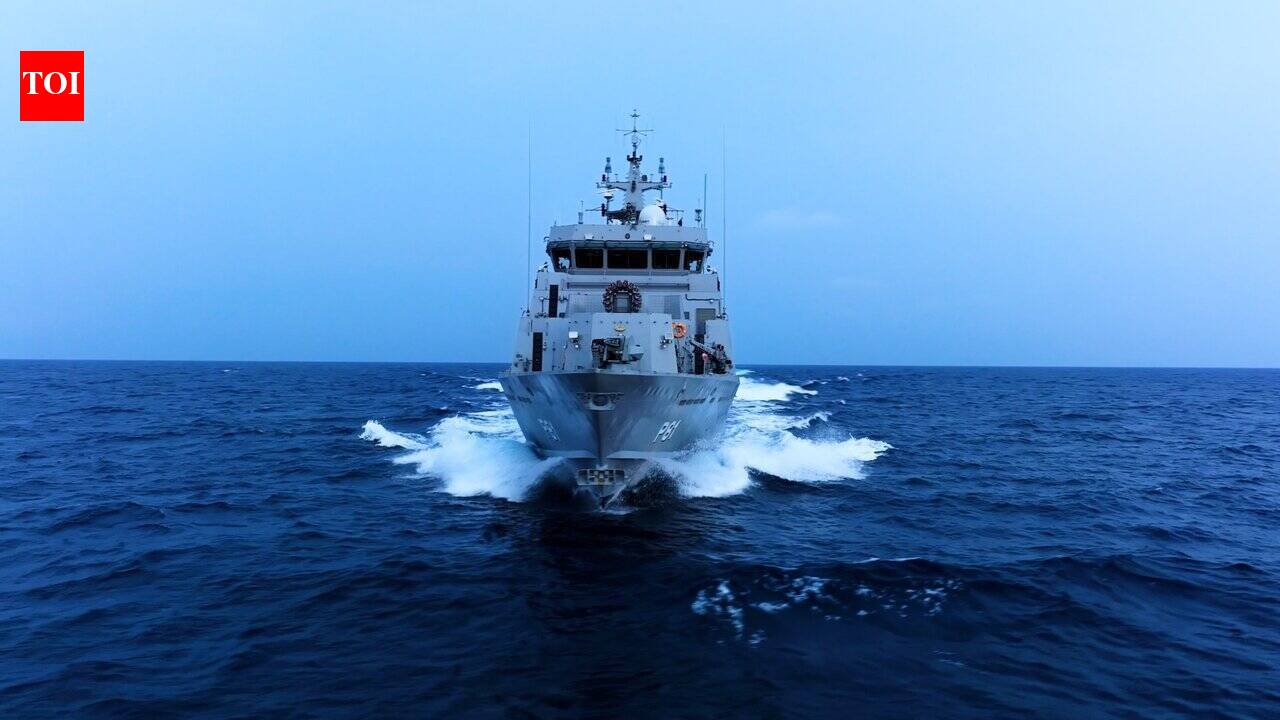
The Indian Navy is enhancing its maritime surveillance capabilities by commissioning the Malvan sub-hunter. This initiative is part of a broader technological shift towards integrating unmanned aerial systems like Varun and Anduril's Thunder into naval operations.
Strengthening Maritime Security: The Commissioning of Malvan
The Indian Navy has taken a significant step in bolstering its maritime domain awareness and anti-submarine warfare (ASW) capabilities with the commissioning of the sub-hunter Malvan. This strategic asset is designed to address the evolving security landscape in the Indian Ocean Region, specifically countering the growing presence and influence of regional adversaries, including China and Pakistan. By deploying specialized platforms like Malvan, the Navy aims to maintain a qualitative edge in detecting and neutralizing sub-surface threats that pose risks to national security and trade routes.
The Paradigm Shift Toward Unmanned Systems
The move to commission Malvan is part of a larger, systemic shift toward the integration of unmanned platforms in modern naval warfare. The mention of unmanned choppers, such as India’s indigenous 'Varun' and the advanced 'Thunder' drone developed by Anduril, signals a departure from traditional, human-centric surveillance models. These platforms are increasingly being viewed as force multipliers that can operate in high-risk environments without endangering personnel, providing persistent surveillance over vast swathes of the ocean.
Technological Convergence and Strategic Defense
The integration of systems like Anduril’s Thunder into the Indian defense architecture reflects a global trend toward leveraging private-sector innovation to meet military requirements. By diversifying the fleet with autonomous aerial systems, the Navy reduces its reliance on large, expensive manned platforms for routine patrolling. This transition is not merely about replacing human pilots; it is about creating a networked, multi-domain environment where unmanned systems provide real-time data to manned vessels, thereby enhancing the lethality and efficiency of anti-submarine operations.
Addressing Regional Geopolitical Threats
Regional tensions remain a primary driver for these technological advancements. The Indian Ocean serves as a critical artery for global commerce, and the strategic maneuvering of Chinese naval assets, coupled with the persistent maritime challenges posed by Pakistan, necessitates a robust defense posture. The deployment of the Malvan sub-hunter represents a proactive approach to monitoring these developments, ensuring that the Navy can detect unauthorized sub-surface activity long before it reaches critical infrastructure or territorial waters.
Future Trends in Naval Warfare
Looking ahead, the successful integration of unmanned choppers and advanced drone technology will likely dictate the future of India's maritime strategy. As these systems become more autonomous and capable of long-duration endurance, the Navy will likely expand its drone fleet to cover deeper areas of the Indian Ocean. This trajectory suggests that the future of naval combat will be defined by the synergy between traditional warships and a swarm of autonomous assets, creating a formidable defense perimeter that is both flexible and difficult for adversaries to circumvent.
Conclusion
The commissioning of the Malvan sub-hunter is a vital development in India's defense modernization efforts. By embracing unmanned technologies like Varun and Thunder, the Indian Navy is positioning itself to effectively counter sophisticated threats in an increasingly contested maritime domain. This combination of traditional naval strength and cutting-edge autonomous technology provides a scalable, sustainable solution to maintaining regional stability.