Indian woman in New Zealand shares struggle to get doctor’s appointment for sick child: ‘Perhaps India is best’
Source Entity
Latest News: Todays Latest News Headlines from India & World | Hindustan Times | Hindustan Times
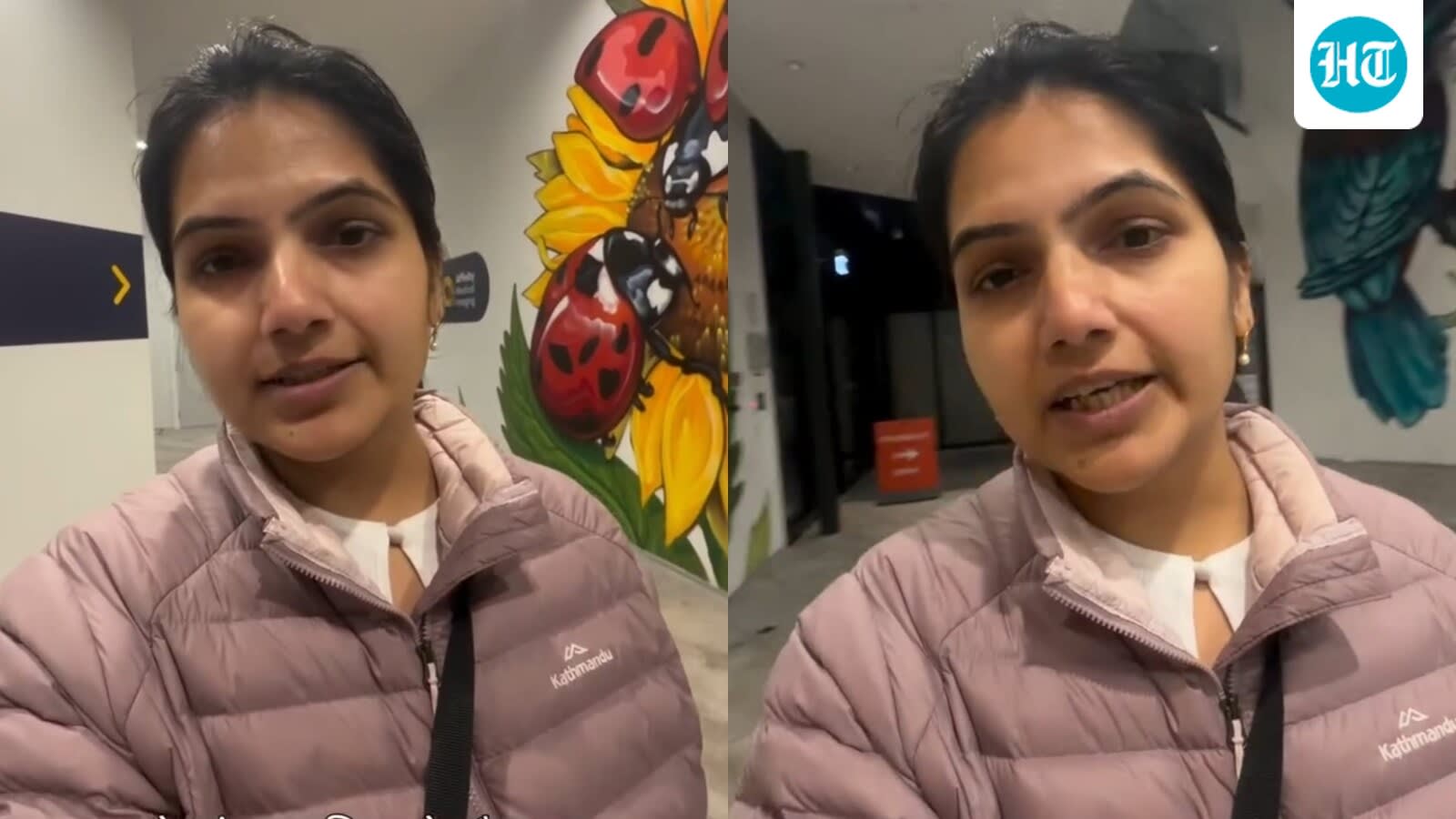
An Indian expatriate in New Zealand has highlighted significant challenges in accessing timely pediatric healthcare. Her viral testimony contrasts the local system's long wait times with the perceived efficiency of medical access in India.
The Healthcare Accessibility Debate: A New Zealand Perspective
Recent social media commentary by Akriti Jaiswal Srivastava, an Indian expatriate residing in New Zealand, has ignited a significant public discourse regarding the accessibility of primary healthcare services for immigrants. By detailing her inability to secure a timely doctor's appointment for her child—who had been suffering from a persistent cough for over ten days—Srivastava has highlighted a growing friction point for those navigating the New Zealand public health system.
The Reality of Wait Times in Public Systems
The core of the frustration stems from the operational structure of New Zealand’s primary healthcare, which often relies on a triage-based appointment system that can lead to significant delays for non-emergency issues. For many newcomers from countries with high-density, private-access models like India, the inability to walk into a clinic or secure a same-day appointment is a jarring departure from their domestic experiences. This cultural and procedural gap often leads to feelings of helplessness when parents are faced with a sick child and a lack of immediate professional guidance.
Comparing Medical Delivery Models
Srivastava’s comparison between the two nations is not merely a critique of New Zealand’s infrastructure but a reflection of the differing philosophies of medical care. In India, the accessibility of private practitioners often allows for rapid intervention. Conversely, the New Zealand model emphasizes a gatekeeper approach via General Practitioners (GPs), which, while cost-effective and structured, can struggle to accommodate high patient volumes during seasonal illness outbreaks.
Broader Implications for Expatriate Life
This incident is part of a wider trend of expatriates using social media to document the 'hidden' challenges of settling abroad. From work-life balance comparisons—such as Srivastava’s previous commentary on leave policies—to basic service accessibility, these narratives serve as a barometer for the immigrant experience. They highlight that the transition to a new country involves navigating complex systemic differences that go beyond cultural adjustment.
Future Trends in Healthcare Communication
As digital platforms continue to empower individuals to share their lived experiences, public institutions are increasingly under pressure to address these gaps in communication and service. The viral nature of this specific grievance suggests that there is a significant audience of fellow expatriates who resonate with these struggles. Moving forward, it is likely that health authorities will need to provide better education on how to navigate local systems to mitigate the anxiety of families unfamiliar with the specific constraints of Western public health models.
Verification Required?