From employment to export, how India’s coir sector exemplifies circular bioeconomy
Source Entity
The Indian Express
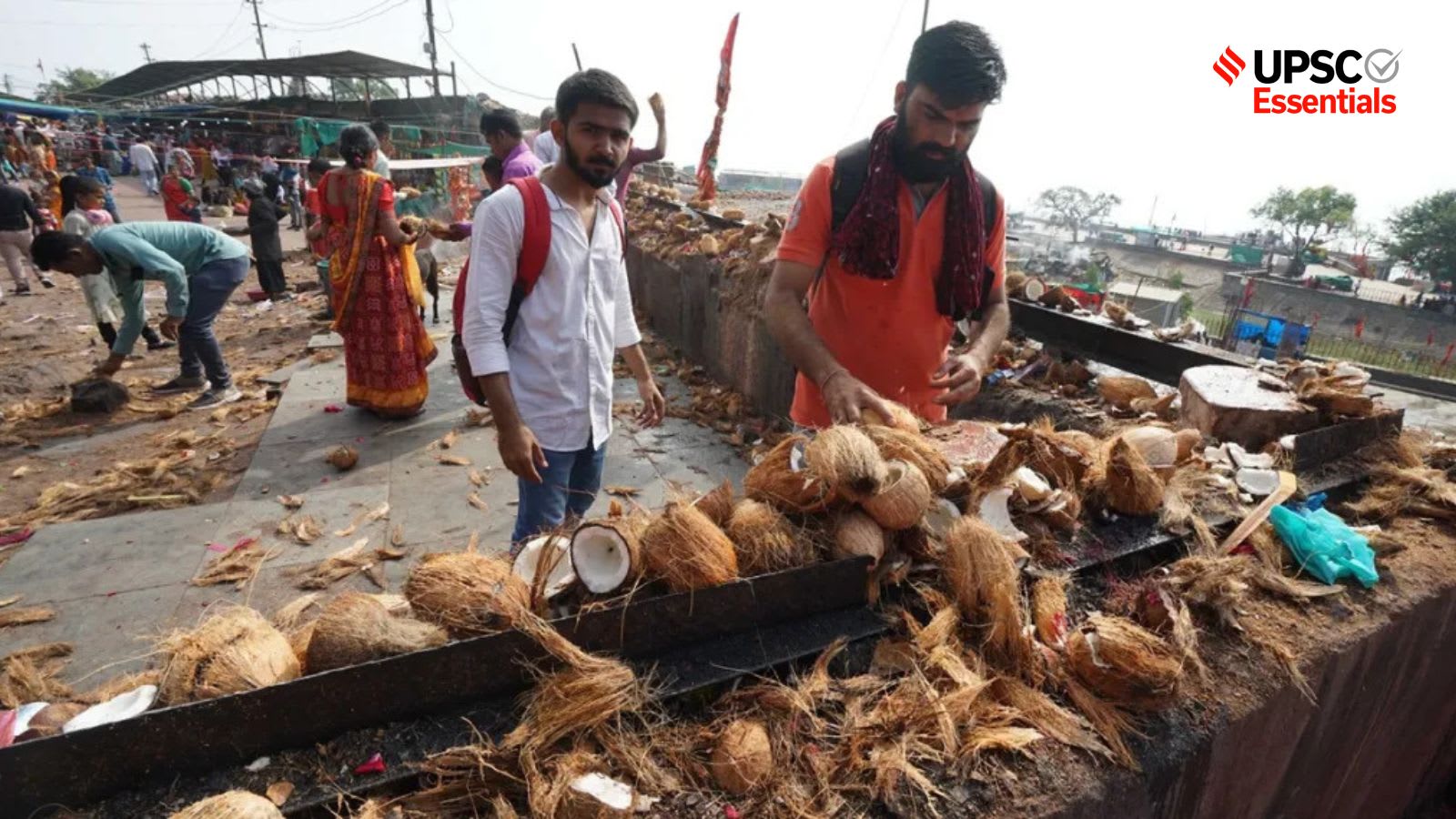
India's coir sector is transforming coconut husk waste into a robust circular bioeconomy, driving rural employment and global exports. The industry is now focused on scaling this model to improve worker incomes and modernize production sustainability.
The Circular Bioeconomy Revolution in India's Coir Sector
India’s coir industry serves as a quintessential model for the circular bioeconomy, demonstrating how agricultural byproducts can be repurposed into high-value industrial assets. By converting coconut husks—often discarded as waste—into versatile fibers, the sector bridges the gap between rural agricultural output and global manufacturing demand. This transformation is not merely a waste management success story; it is a vital economic engine that supports thousands of livelihoods, particularly among rural women.
Economic Significance and Rural Empowerment
The economic footprint of the coir sector is deeply rooted in its ability to provide sustainable employment in rural areas. By creating a value chain that begins at the farm level and extends to international trade, the industry empowers marginalized communities. For rural women, in particular, the processing of coir provides a steady source of income, fostering financial independence while utilizing traditional skills that have been modernized for contemporary market requirements.
From Waste to Industrial Resource
At its core, coir is a natural, biodegradable fiber extracted from the outer husk of the coconut. This material is highly prized for its durability and versatility, finding applications in everything from geotextiles for soil erosion control to home furnishings and agricultural substrates. The ability to turn a biological byproduct into an industrial resource exemplifies the principles of a circular economy, where the lifecycle of a material is extended, minimizing environmental impact while maximizing utility.
Challenges in Scaling and Sustainability
Despite its successes, the sector faces significant hurdles in scaling its operations to meet global standards. The primary challenge remains the translation of raw potential into sustained, higher incomes for the workforce. While the circular nature of the production is environmentally beneficial, the industry must invest in cleaner production technologies to ensure long-term viability. Balancing traditional craftsmanship with modern efficiency is essential to maintaining competitiveness in the international market.
Future Trends and Market Outlook
Looking ahead, the coir sector is poised to benefit from the growing global demand for sustainable and eco-friendly materials. As industries move away from synthetic polymers, coir's natural properties offer a distinct advantage. If India can successfully streamline its manufacturing processes and improve the socioeconomic status of its coir workers, the sector will likely see increased export growth and further integration into global supply chains, solidifying its role as a pillar of India's bio-based economy.