India's dying rivers: How our cities are choking their lifelines
Source Entity
ABHISHEK MISHRA
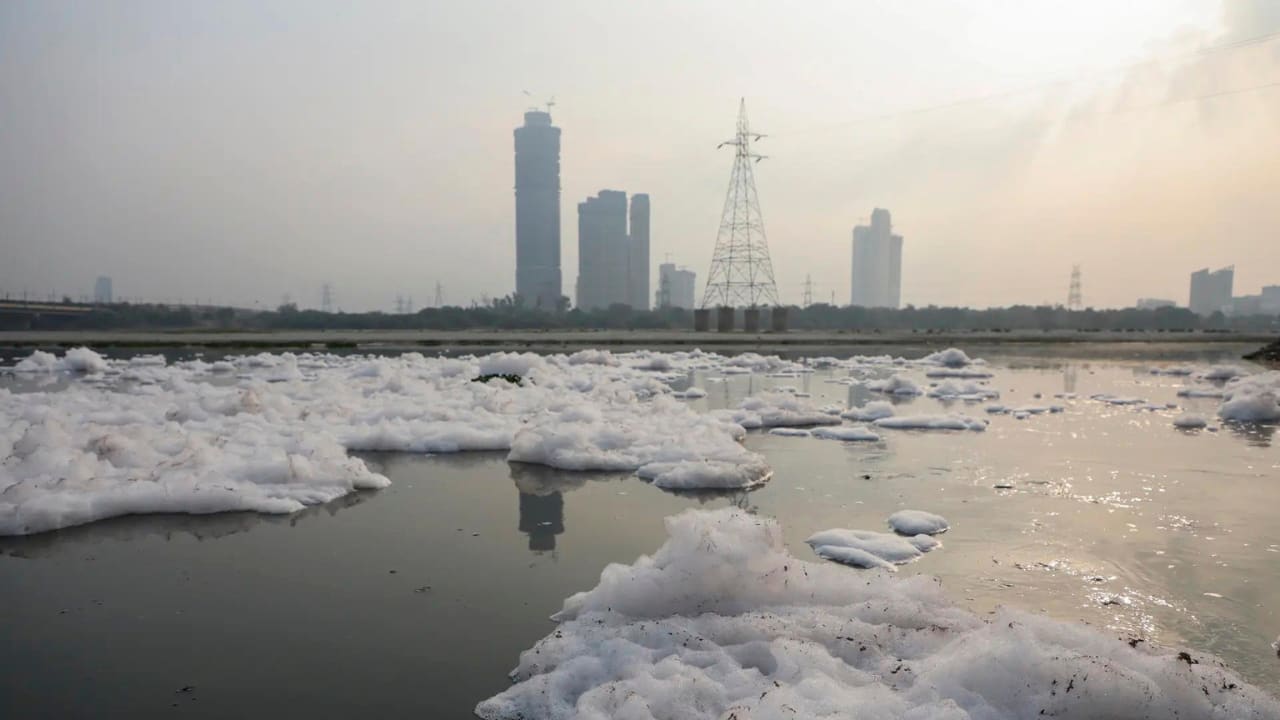
India's urban expansion is critically endangering its major rivers by encroaching on floodplains and overwhelming waterways with untreated sewage. This environmental crisis threatens ecosystems and public health, necessitating urgent management of industrial waste and urban development.
The Crisis of India's Urban Waterways
India is currently grappling with a severe environmental crisis as its rapidly expanding urban centers increasingly encroach upon vital river ecosystems. From the Yamuna in Delhi and Agra to the Mithi in Mumbai, the nation’s rivers are being systematically choked, reduced in width, and transformed into conduits for urban waste. This encroachment is not merely a geographic issue but a fundamental threat to the ecological integrity of these lifelines, as the physical shrinking of riverbanks limits their natural flow and capacity to support biodiversity.
The Toxic Reality of Urban Pollution
The transformation of historic rivers into open sewers is a recurring theme across major Indian cities. In Hyderabad, the Musi river now flows primarily as a stream of sewage, while in Chennai, the Cooum has been reduced to a polluted urban drain. Similarly, the Vrishabhavathi in Bengaluru serves as a channel for city waste, and the Yamuna banks near the Taj Mahal in Agra are lined with garbage. This pervasive pollution, driven by the unchecked discharge of industrial and ritual waste, has rendered these waters hazardous to both the environment and the human communities that rely on them.
Regional Vulnerabilities: From Ganga to Brahmaputra
While urban rivers face the brunt of direct human waste, larger systems like the Ganga and the Brahmaputra are struggling under the cumulative weight of industrialization and natural erosion. The Ganga, a lifeline for millions, is under immense pressure from the waste generated by the cities along its course. Meanwhile, the Brahmaputra in Assam is experiencing a different form of existential threat through severe erosion. These challenges illustrate that the crisis is national in scope, affecting both the densely populated urban centers and the broader riverine geography of the country.
The Failure of Urban Planning
At the heart of this degradation lies a systemic failure to prioritize environmental health over urban development. When floodplains are encroached upon for construction, the natural drainage and flood-mitigation roles of rivers are compromised, as seen during the flooding events in Mumbai that exposed the dire state of the Mithi river. The development pressures currently outweigh the efforts to clean these waterways, creating a cycle where urban growth directly catalyzes the destruction of the very resources necessary for city survival.
A Future at a Crossroads
The quote attributed to Mahatma Gandhi regarding the difference between human need and greed aptly summarizes the current state of India's rivers. Moving forward, the survival of these waterways depends entirely on a shift in policy that treats river floodplains as protected assets rather than real estate. Comprehensive management of sewage, strict enforcement of industrial waste regulations, and a reevaluation of urban planning are no longer optional—they are essential requirements for the survival of India's cities and their inhabitants.