Nine Indian fishermen from Rameswaram arrested by Sri Lankan Navy
Source Entity
India Latest News: Top National Headlines Today & Breaking News | The Hindu
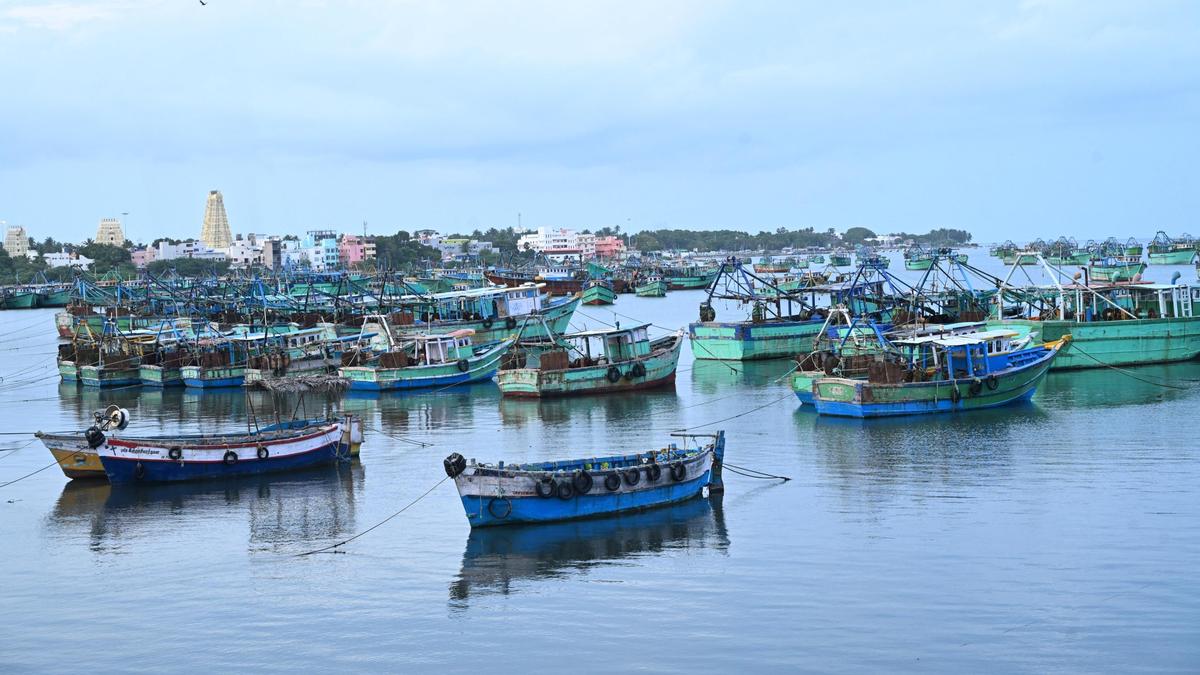
The Sri Lankan Navy has arrested nine Indian fishermen from Rameswaram for allegedly poaching in Sri Lankan waters near Talaimannar. This incident highlights the persistent maritime boundary disputes in the Palk Strait, where cross-border fishing remains a contentious issue.
The Palk Strait Crisis: An Analysis of the Rameswaram Arrests
On Wednesday, July 22, 2026, the Sri Lankan Navy apprehended nine Indian fishermen hailing from Rameswaram, Pamban, and Thaganchimadam. The group, which included individuals identified as Praveen, Arul Loyola, and Sabari Vinothvin, was taken into custody while fishing near the Katchatheevu region. The detainees and their vessel were subsequently transported to the Thalaimannar Navy Camp, marking another escalation in the long-standing maritime friction between India and Sri Lanka.
The Mechanics of the Dispute
The arrests occurred after a reported incursion into Sri Lankan waters, with authorities noting that over 50 Indian trawlers were allegedly operating south of Iranativu. The fishermen were accused of crossing the International Maritime Boundary Line (IMBL), a recurring trigger for enforcement actions by the Sri Lankan Navy. This specific incident follows the issuance of 469 tokens by the local Fisheries Department, underscoring the high volume of maritime activity that routinely complicates the enforcement of sovereignty in the Palk Strait.
Historical Context and Legal Implications
This event is not an isolated occurrence but rather a symptom of a deeply entrenched conflict. The Palk Strait has long been the site of territorial disputes, with both Indian and Sri Lankan fishermen frequently crossing boundaries in search of lucrative catch. The legal repercussions for those apprehended are severe, often involving detention in foreign prisons. Currently, reports indicate that 18 fishermen from the Rameswaram area remain in Sri Lankan custody, highlighting the cumulative nature of these diplomatic and legal challenges.
Socio-Economic Pressures
The reliance of coastal communities on the Palk Strait for their livelihoods creates a volatile environment. For the fishermen of Rameswaram, venturing deep into the sea is often a matter of economic necessity despite the inherent risks of crossing the IMBL. The Sri Lankan Navy’s mandate to protect its maritime borders frequently brings them into direct conflict with these Indian fishers, who argue that traditional fishing rights are not adequately reflected in the current maritime boundary demarcations.
Future Trends and Diplomatic Outlook
Looking ahead, the frequency of these arrests suggests that the dispute over the IMBL remains unresolved. With over 128 Indian fishermen reportedly arrested this year alone, the trend points toward a continued cycle of apprehension and diplomatic negotiation. Future trends will likely depend on whether bilateral talks can address the root causes of the poaching claims, such as the depletion of marine resources in coastal zones and the need for modernizing fishing gear to prevent accidental boundary crossings.
Conclusion
The arrest of the nine Rameswaram fishermen serves as a stark reminder of the fragile balance between national sovereignty and the survival of marginalized fishing communities. As both nations continue to navigate these tensions, the resolution of such incidents will require sustained diplomatic engagement to ensure that maritime borders are respected while minimizing the human cost of this enduring geopolitical stalemate.
Multiple Citing Sources
Verification Required?