1,800-year-old Roman camp linked to Marcus Aurelius found in Slovakia
Source Entity
TOI WORLD DESK
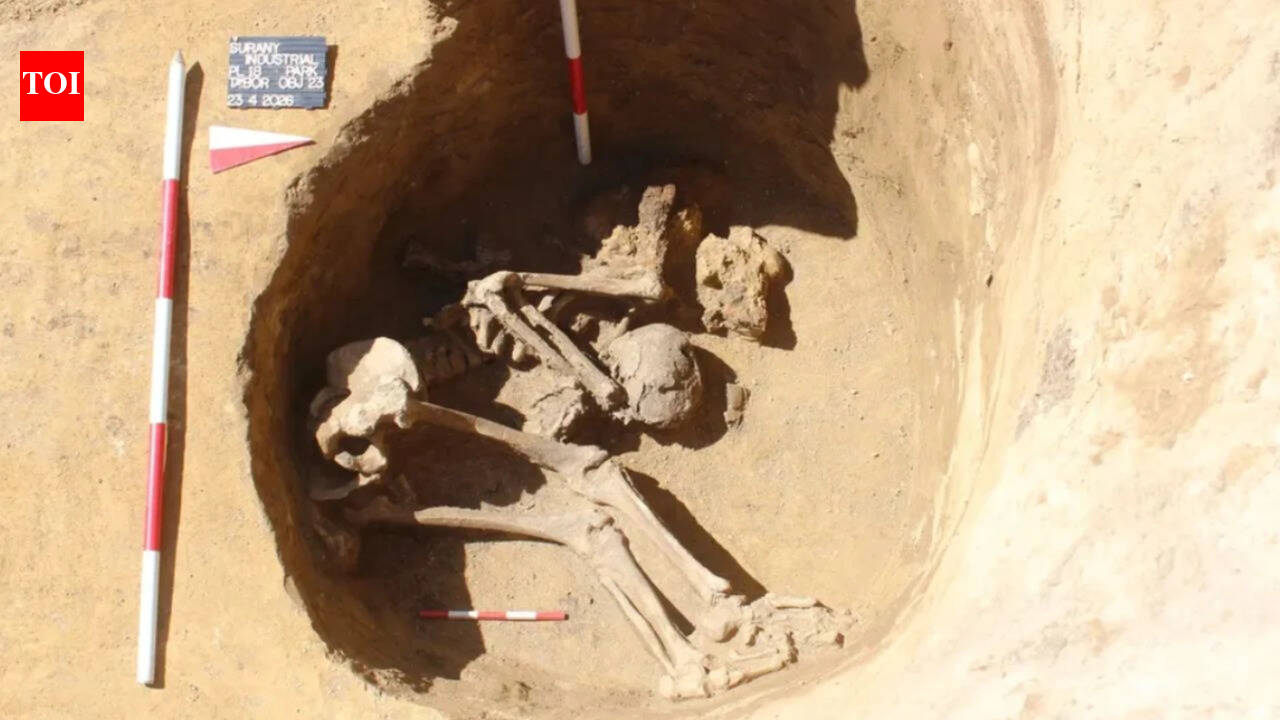
Archaeologists in Slovakia have uncovered an 1,800-year-old Roman military camp potentially linked to Emperor Marcus Aurelius. The site features unusual burial practices, with remains found in wells and ditches, offering rare insights into the Marcomannic Wars.
A Significant Archaeological Discovery in Slovakia
Archaeologists have unearthed a massive, 1,800-year-old Roman military camp in southwestern Slovakia, marking a significant milestone in our understanding of Roman frontier history. The site is believed to be directly associated with the Marcomannic Wars, a series of protracted conflicts fought between the Roman Empire and various Germanic tribes during the reign of Emperor Marcus Aurelius. The discovery of such a substantial fortification provides tangible evidence of the empire’s desperate efforts to secure its northern borders against incursions during the late 2nd century AD.
Uncovering the Marcomannic Wars
Historical records indicate that the Marcomannic Wars were a defining period for Marcus Aurelius, often referred to as the 'Philosopher Emperor.' These wars were not merely border skirmishes but existential threats that forced the Roman military to push deep into territories beyond the Danube. This newly discovered camp serves as a physical testament to the logistical scale of these campaigns. By analyzing the site, researchers hope to reconstruct the operational realities of Roman soldiers who were stationed far from the comforts of the Mediterranean, operating in the harsh climate of Central Europe.
Unusual Burial Practices and Site Mysteries
The most striking aspect of the find is the unconventional nature of the burials. Unlike standard Roman practice, which typically involved formal cemeteries outside the camp walls, archaeologists have discovered skeletons and partial remains deposited in shallow graves, defensive ditches, and even inside wells. This departure from traditional funerary rites suggests a period of extreme duress, perhaps indicating a sudden retreat, a plague outbreak, or a total collapse of order within the camp during its final days of occupation.
Artifacts and Daily Life on the Frontier
Beyond the human remains, the site has yielded a wealth of artifacts, including weapons, armor, coins, and military sandals. These items are invaluable for chronological dating and understanding the material culture of the Roman legionnaire. The preservation of leather items like sandals offers a rare glimpse into the daily attire and equipment of the infantry, providing data that complements the visual narratives found on the Column of Marcus Aurelius in Rome. Each piece of equipment serves as a silent witness to the daily struggles of soldiers engaged in one of the most challenging chapters of Roman history.
The Path Forward for Scientific Analysis
While the discovery is monumental, researchers emphasize that this is only the beginning of a long investigative process. Years of rigorous scientific analysis—including forensic examination of the skeletons and stratigraphic studies of the soil—are required to solve the mysteries of the camp's abandonment. Scientists aim to determine whether the soldiers died in combat, succumbed to disease, or were left behind during an organized withdrawal. As the analysis continues, this site will undoubtedly refine our knowledge of the Roman Empire's northern defense strategy and the human cost of its expansionist policies.