‘A head for an eye’: Rubio hits back after Iran’s ‘eye for an eye’ revenge threat
Source Entity
The Indian Express
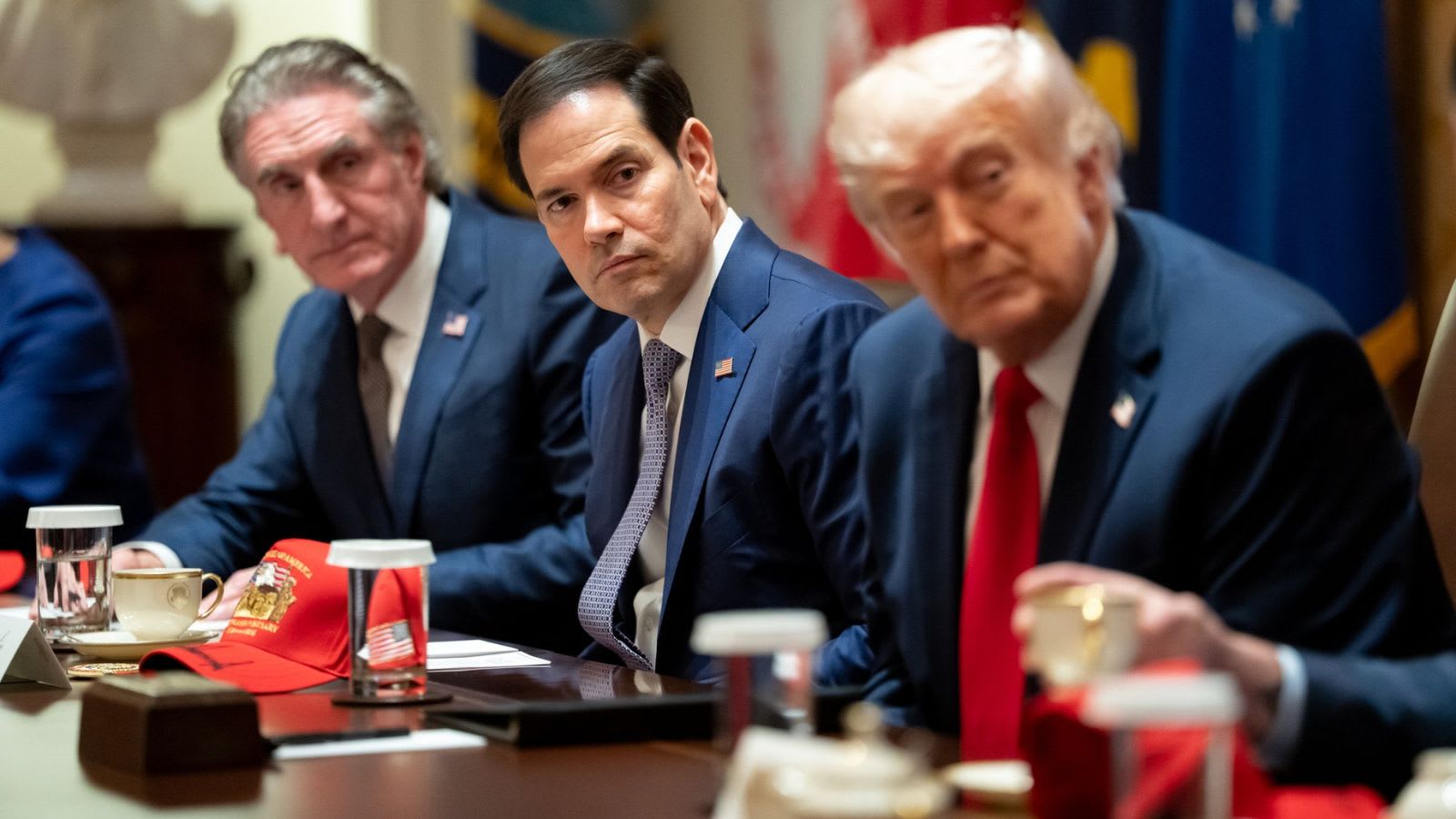
Secretary of State Marco Rubio has dismissed Iran's 'eye for an eye' threats against the Trump administration, countering with a warning that the U.S. will demand a 'head for an eye.' This escalation reflects a hardening diplomatic stance amid ongoing tensions in West Asia.
Escalating Rhetoric: The New U.S.-Iran Standoff
During the 59th ASEAN Foreign Ministers’ Meeting held in the Philippines, U.S. Secretary of State Marco Rubio delivered a stern warning to Iranian leadership, characterizing their recent threats against President Donald Trump and his family as acts of desperation. Rubio’s comments come in response to Iranian officials invoking an "eye for an eye" policy, a direct threat of retaliation against the current U.S. administration. The Secretary of State explicitly countered this by stating that the U.S. policy under President Trump is "a head for an eye," signaling a shift toward more severe, asymmetrical consequences for any Iranian aggression.
The Geopolitical Context of the Threat
The tension stems from Iran’s public declarations of revenge, which have become a focal point of current international discourse. By framing the Iranian position as "begging" for a deal while simultaneously warning that the cost of such hostility "will get higher every night," Rubio is signaling that the United States is moving away from traditional diplomatic containment toward a posture of active deterrence. This language suggests that the administration views Iran's threats not as a sign of strength, but as a reaction to the mounting pressures currently being applied to the Iranian state.
Diplomatic Implications at ASEAN
The choice of the ASEAN Foreign Ministers’ Meeting as the venue for this declaration is significant. By addressing these concerns on a global stage in Southeast Asia, the United States is signaling to its international partners that the conflict in West Asia remains a top-tier security priority. This broader engagement serves to underscore the U.S. narrative that Iran’s actions are destabilizing and that the international community should be wary of Tehran’s stated intentions to target American leadership.
The Doctrine of Proportionality vs. Deterrence
Rubio’s "head for an eye" remark represents a departure from standard diplomatic proportionality. In international relations, "eye for an eye" implies a tit-for-tat exchange designed to restore a status quo. By contrast, "head for an eye" implies a doctrine of overwhelming retaliation, intended to raise the stakes so high that the adversary is deterred from taking the initial action. This rhetorical shift serves as a psychological tool aimed at discouraging Iranian proxies and officials from pursuing the threats made against the President and his family.
Future Trends and Regional Stability
Looking ahead, this exchange indicates a deepening chasm between Washington and Tehran. As the "price" mentioned by Rubio continues to rise, the likelihood of direct or proxy-led kinetic incidents in West Asia increases. The international community will likely face heightened pressure to pick sides, as the U.S. seeks to consolidate support for its "maximum pressure"-style strategy. Analysts should monitor whether this rhetorical escalation leads to actual policy shifts, such as increased sanctions or a redeployment of regional assets, as the U.S. attempts to force Iran into a diplomatic corner.
Conclusion
In summary, the exchange between Tehran's "eye for an eye" threat and Secretary Rubio’s "head for an eye" response highlights a volatile period in U.S.-Iran relations. The administration is clearly signaling that it will not tolerate threats against its leadership and is prepared to use severe measures to ensure the safety of the President and his family. The coming months will likely see continued diplomatic friction, with the U.S. maintaining its hardline stance as it attempts to compel Iran to negotiate from a position of weakness.