Two Russian men jailed in Angola for terrorism and spying
Source Entity
Rachel Savage in Johannesburg and agencies
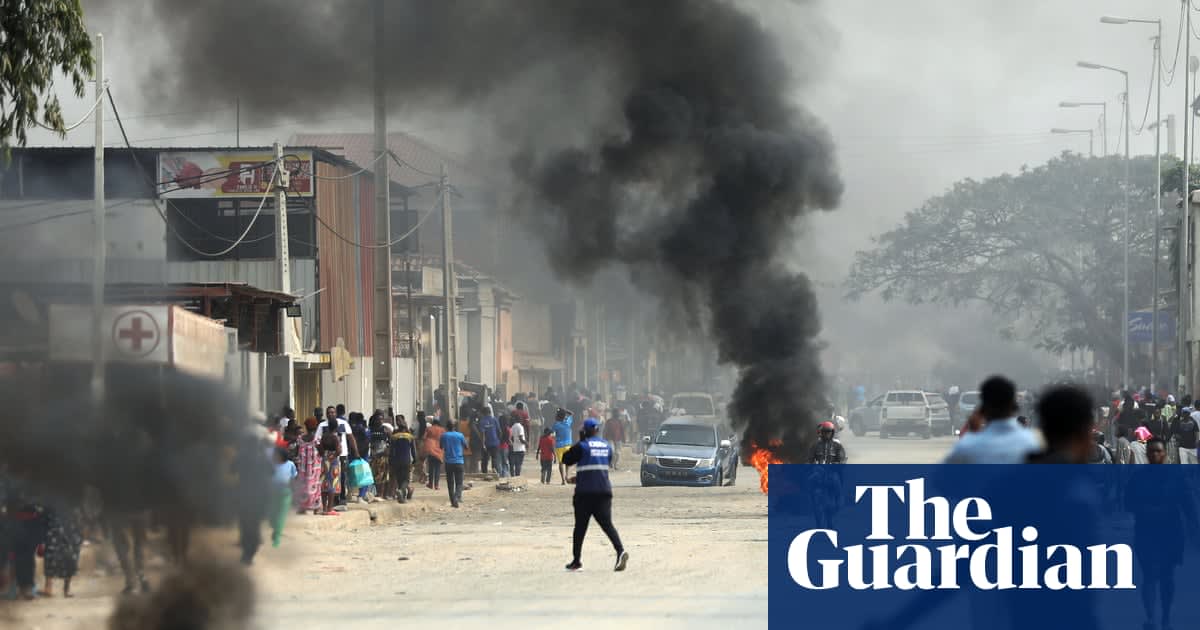
An Angolan court has sentenced two Russian nationals to prison for their roles in orchestrating a coup and fomenting deadly riots during 2025 fuel protests. The verdict follows a period of intense civil unrest that resulted in significant casualties and international scrutiny over state security tactics.
The Verdict: Russian Nationals Convicted in Angola
In a significant legal development in Luanda, an Angolan court has handed down prison sentences to two Russian nationals, Lev Lakshtanov and Igor Ratchin, for their alleged involvement in terrorism and espionage. The court determined that the pair played a central role in planning a coup d'état and organizing violent demonstrations that destabilized the southern African nation throughout the previous year. Lakshtanov received an eight-year sentence, while Ratchin was given 11 years, marking a severe judicial response to charges that the defendants had steadfastly denied, maintaining that their presence in the country was strictly limited to business and cultural endeavors.
Origins of the Unrest: The July 2025 Crisis
The charges stem from a period of extreme volatility between July 28 and July 30, 2025, when a localized protest by minibus taxi operators regarding soaring fuel prices escalated into nationwide riots and widespread looting. This economic grievance quickly transformed into a broader political confrontation. Official government figures report that 22 individuals lost their lives during the three-day window of chaos, with over 1,600 arrests made by security forces. The court’s ruling suggests a deep-seated belief by the state that these riots were not merely organic expressions of public anger, but were instead manipulated by foreign actors seeking to undermine the current administration.
The State's Narrative vs. International Scrutiny
The Angolan government has defended its handling of the July crisis, describing its use of force as a "progressive" and necessary measure to restore public order. However, this stance stands in stark contrast to the findings of international observers, including Human Rights Watch, which has documented allegations of excessive force by security personnel, specifically the use of live ammunition against civilians. By convicting foreign nationals of terrorism for their alleged roles in these events, the Angolan judiciary is effectively positioning the protests as a matter of national security and external interference rather than a domestic failure of economic policy.
Geopolitical Implications and Foreign Presence
The presence of Russian nationals at the center of a coup investigation in an African nation highlights the complex and often opaque nature of foreign influence in the region. While the defendants claimed legitimate business interests, the court’s decision indicates that the Angolan government views such foreign involvement with extreme suspicion, particularly when it coincides with periods of domestic civil unrest. This case underscores the broader regional trend where governments are increasingly sensitive to foreign actors who might be perceived as exploiting local grievances for political destabilization.
Future Trends and Judicial Precedents
Moving forward, the conviction of Lakshtanov and Ratchin sets a firm precedent for how Angola will handle future civil disturbances and foreign involvement in local politics. By labeling the protest organizers as terrorists, the state has signaled a zero-tolerance policy toward any movement that threatens the constitutional order, regardless of the initial economic motivations behind the dissent. This creates a challenging environment for foreign investors and cultural entities operating within Angola, as the line between legitimate activity and political interference appears to have become increasingly blurred in the eyes of the law.
Conclusion
The sentencing of these two men marks a pivotal moment in Angola’s recent political history. It closes a chapter on the violent events of July 2025 while simultaneously opening a new dialogue regarding the state's authority, the rights of protesters, and the risks faced by foreign nationals in the country. As Angola continues to navigate economic pressures and internal dissent, the legacy of this trial will likely influence the nation's judicial approach to public security for years to come.