Wildfires and record dry conditions trigger drought in parts of Wales
Source Entity
BBC News
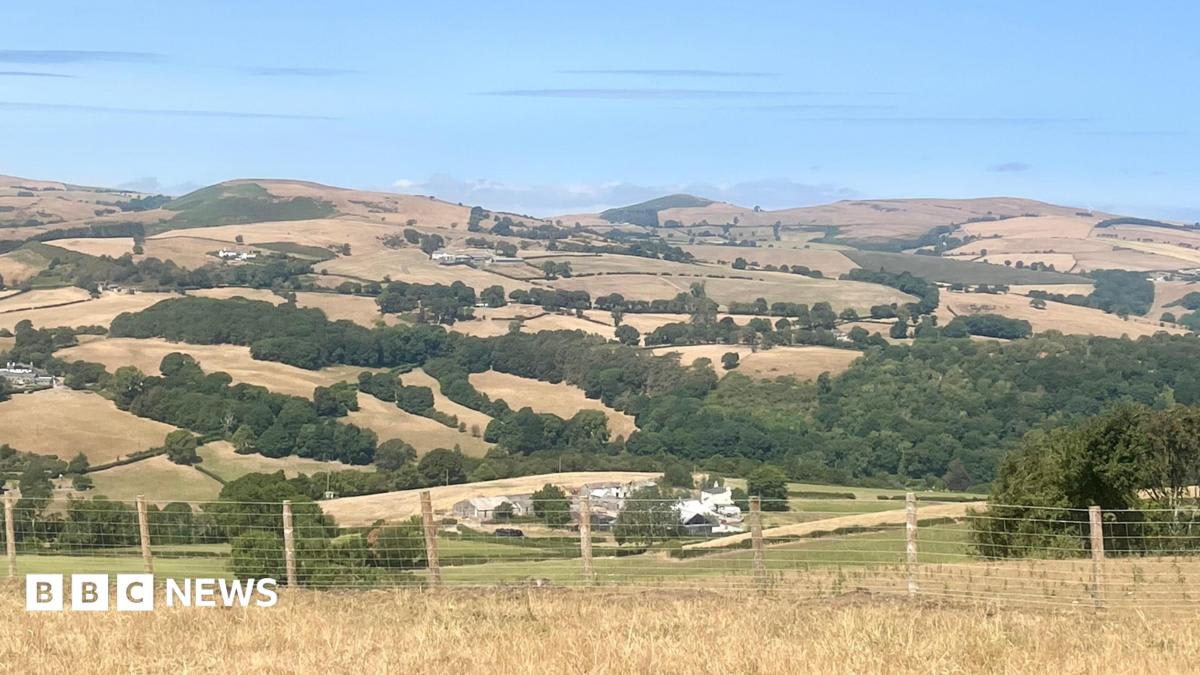
Wales is facing a severe drought declaration in northern and mid-regions due to record-breaking dry conditions and heatwaves. With July rainfall at only 5% of the average, authorities are implementing urgent monitoring to protect wildlife, farming, and water resources.
The Climate Crisis: Wales Faces Unprecedented Drought
Recent data from Natural Resources Wales (NRW) indicates a critical environmental shift as the region grapples with the fallout of back-to-back heatwaves. With July recording a staggering 5% of its average rainfall, the nation stands on the precipice of its driest month in nearly 190 years. This meteorological anomaly has forced regulators to officially move north and parts of mid-Wales into a drought status, marking a severe escalation from the previously declared 'prolonged dry weather' phase.
The Mechanics of the Crisis
The classification of a drought is not merely a label but a reflection of dire physical indicators. Regulators have identified exceptionally low river and groundwater levels, alongside parched soil conditions that threaten the stability of the local ecosystem. The shift in status follows a period of enhanced monitoring, where authorities began tracking vital waterways and wildlife habitats to mitigate the damage caused by the lack of precipitation.
Impact on Agriculture and Forestry
Beyond the immediate meteorological data, the human and economic impact is significant. The agricultural and forestry sectors are facing acute challenges as water sources dwindle. NRW has begun issuing formal advice to farmers and other stakeholders who rely on rivers for irrigation and operations. The sustainability of these industries is now heavily reliant on the management of remaining water resources as the soil continues to lose moisture at an alarming rate.
Ecological Vulnerability
Wildlife and biodiversity are particularly susceptible to these record dry conditions. Rivers, which act as the lifeblood for numerous protected species and ecosystems in Wales, are currently experiencing flow rates that are classified as exceptional. The ongoing drought status necessitates intervention to ensure that important sites for wildlife are not permanently degraded by the lack of water, a concern that looms large for environmental conservationists.
Looking Ahead: Policy and Climate Trends
This event highlights the increasing frequency of extreme weather patterns in the United Kingdom. As Wales moves toward a potential record-breaking dry month, the reliance on reactive measures—such as enhanced monitoring and advisory warnings—may need to evolve into more robust long-term water management strategies. The transition from 'prolonged dry weather' to official drought status serves as a stark reminder of the volatility inherent in current climate trends.
Conclusion
As the month draws to a close, the absence of significant rainfall threatens to solidify this period as a historic climate event. The coordinated efforts by NRW to monitor groundwater levels and support the affected agricultural community are critical in the short term. However, the broader implications suggest that Wales must prepare for more frequent environmental stressors as record-breaking heat and dryness become more common in the region.