Indonesia: Students Clash With Police Over Haze Crisis and Economic Woes | Hindustan Times
Source Entity
Latest News: Todays Latest News Headlines from India & World | Hindustan Times | Hindustan Times
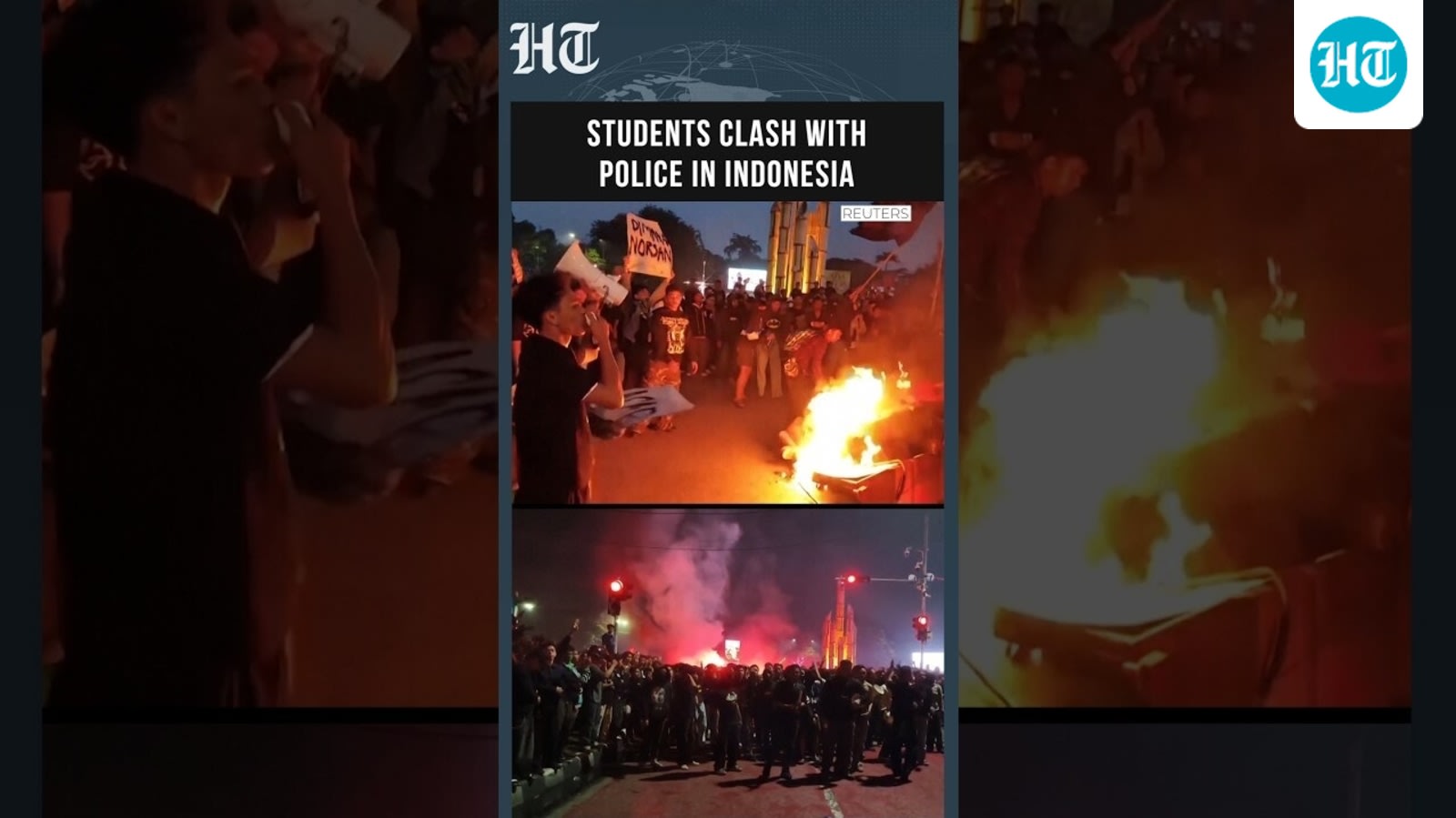
Indonesian students in Pontianak are protesting the government's response to a severe toxic haze crisis caused by massive forest fires. With 1.92 million hectares burned, the smoke has triggered regional health concerns and cross-border environmental tensions.
The Escalating Crisis in Pontianak: Haze and Unrest
Tensions have reached a breaking point in Pontianak, Indonesia, as student-led protests against the government's handling of the ongoing forest fire crisis have spiraled into clashes with local police. The demonstrators are voicing deep-seated frustrations regarding the thick, toxic haze that has blanketed the region for months, leading to a surge in respiratory illnesses and a broader sense of economic insecurity. By centering their dissent on the government's perceived inaction, these students are highlighting a critical failure in disaster mitigation and public health protection.
The Environmental Toll: A Record of Destruction
The scale of the ecological disaster is underscored by sobering data from the Nusantara Atlas, which confirmed that burned areas in Indonesia surged to 1.92 million hectares by the end of September. These forest fires are not merely local incidents but are part of a recurring environmental catastrophe driven by land-clearing practices and exacerbated by dry conditions. The sheer volume of smoke generated has created a public health emergency, forcing residents to contend with hazardous air quality that poses long-term risks to vulnerable populations.
Regional Implications and Cross-Border Strains
This crisis is no longer confined to Indonesian borders; the toxic haze has drifted into neighboring nations, including Singapore, Malaysia, and Timor-Leste. The international dimension of the haze puts significant strain on diplomatic relations within the ASEAN region, as neighboring countries deal with the economic and health consequences of smoke originating from Indonesian fires. This regional impact necessitates a more robust, collective approach to fire management and environmental accountability.
Economic and Social Discontent
Beyond the immediate environmental impacts, the protests reflect a growing economic anxiety among the Indonesian youth. The disruption caused by the fires—affecting agriculture, transportation, and public health—has created a volatile environment where existing economic woes are amplified. Students are calling for the government to move beyond rhetoric and implement concrete policy shifts that prioritize public welfare over the interests that drive these seasonal clearing practices.
The Path Forward: Demands for Accountability
The clashes in Pontianak serve as a stark warning to authorities that the status quo is increasingly untenable. As protestors demand that their concerns be heard, the government faces pressure to improve satellite monitoring, enforce stricter land-use regulations, and invest in sustainable fire prevention strategies. The future trajectory of this crisis will likely depend on whether the state can transition from reactive policing to proactive environmental governance that addresses both the immediate health risks and the underlying drivers of the burning season.
Verification Required?