Iran launched fresh attack on US navy ships Monday amid China, Russia aid fears
Source Entity
ABHISHEK MISHRA
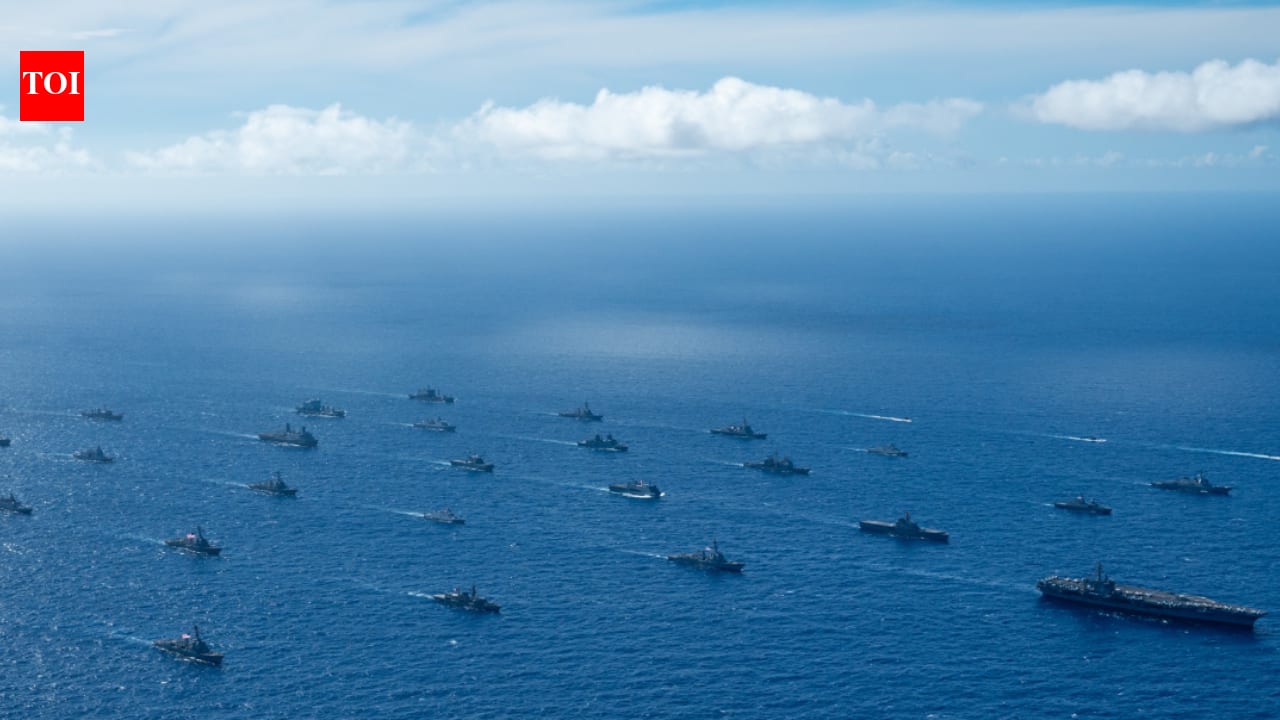
Iran has allegedly launched repeated attacks against US Navy warships, raising significant concerns over regional stability. While no US vessels were damaged, the potential for foreign technological assistance remains a focal point of investigation.
Escalating Maritime Tensions in the Middle East
Recent reports indicate that Iran has launched a series of aggressive maneuvers against United States Navy vessels, including a fresh attack reported on Monday. These incidents, which follow weekend strikes involving ballistic missiles aimed at a US aircraft carrier and a guided-missile destroyer, represent a significant shift in the maritime posture of the Islamic Republic. While the United States military has yet to provide official confirmation or specific details regarding these skirmishes, the reported nature of these engagements suggests a deliberate escalation in the Persian Gulf and surrounding waters.
The Strategic Shift in Iranian Aggression
The frequency of these attacks points toward a tactical pivot by Iranian forces. By targeting high-value assets such as aircraft carriers and guided-missile destroyers, Iran is signaling a departure from previous engagement patterns. Analysts suggest this heightened aggression is closely tied to the mounting pressure on the Iranian economy, specifically resulting from the ongoing US-led blockade of Iranian ports. This economic strangulation appears to be driving a 'defensive-offensive' strategy, where the regime attempts to project power and deter further international isolation through direct military posturing.
Concerns Over Foreign Technological Proliferation
One of the most alarming aspects of these recent attacks is the potential involvement of external global powers. The increased sophistication and success in targeting capabilities have triggered intense scrutiny regarding whether Iran is receiving clandestine support from China or Russia. If Iran is indeed utilizing advanced guidance systems or intelligence-sharing networks provided by these nations, the geopolitical landscape of the region would fundamentally change. Such aid would not only bolster Iran's local capabilities but also transform the Persian Gulf into a proxy arena for broader international tensions between the US and its primary strategic rivals.
The Resilience of US Naval Defense
Despite the intensity of the reported ballistic missile fire, officials have confirmed that no US Navy ships were struck or damaged during these encounters. This success highlights the effectiveness of current US naval defensive systems, which are designed to intercept high-velocity threats in complex maritime environments. However, the repeated nature of these attempts forces the US military to remain in a state of high readiness, placing immense strain on operational assets and personnel stationed in the region.
Future Implications and Regional Stability
The ongoing standoff poses a severe risk to global maritime security and international trade routes. The combination of economic warfare through port blockades and direct kinetic engagement at sea creates a volatile environment where the threshold for miscalculation is dangerously low. As both sides continue to test the boundaries of these confrontations, the possibility of a larger, unintended military conflict remains a primary concern for international observers. The coming weeks will likely see increased diplomatic maneuvering to prevent further escalation as the international community assesses the validity and origin of the weaponry utilized in these recent attacks.