Iran’s proxy war is back: Trump aide points straight to Mojtaba’s hand behind Saudi attacks | Watch
Source Entity
Latest News: Todays Latest News Headlines from India & World | Hindustan Times | Hindustan Times
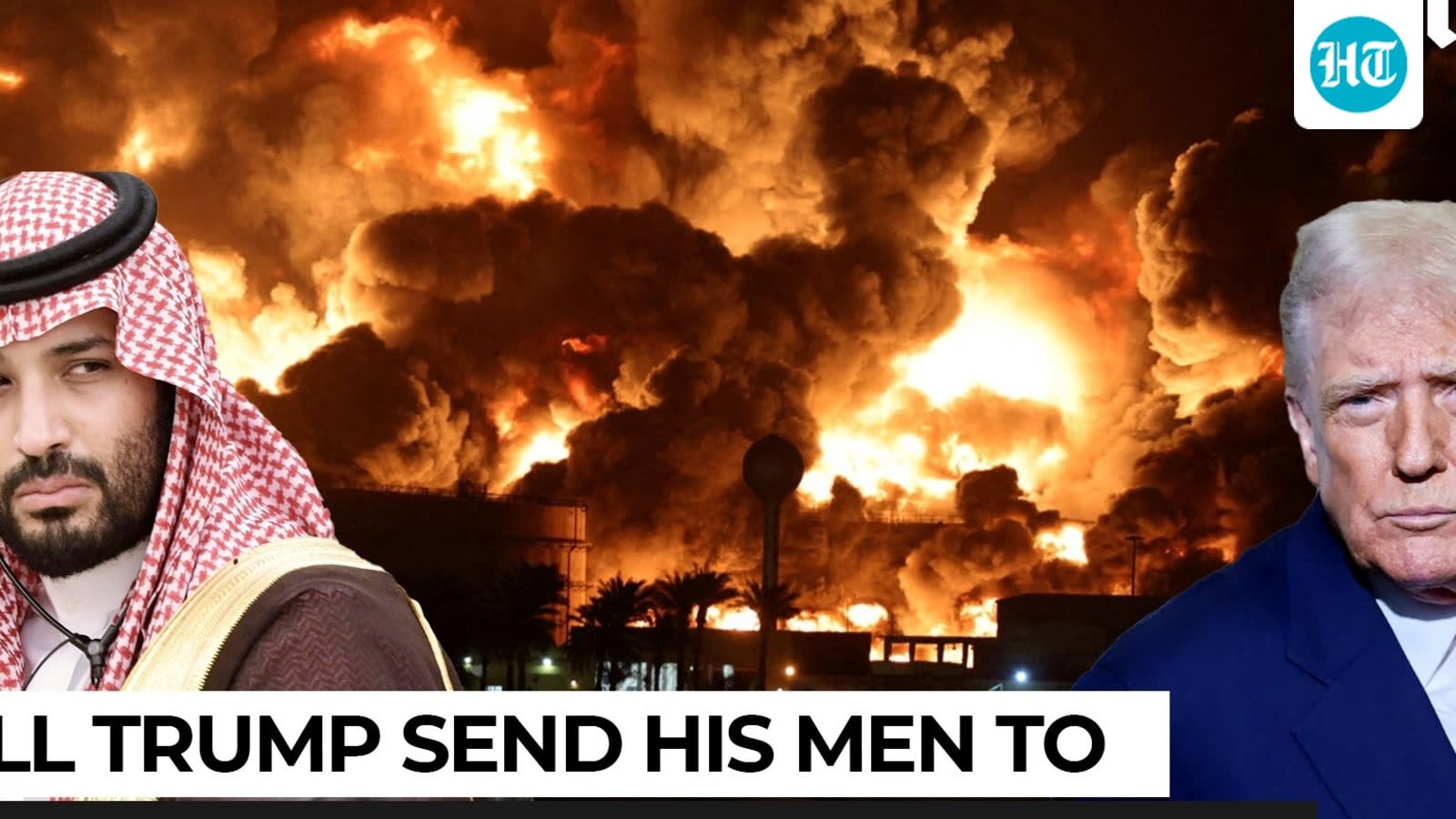
U.S. officials, including Marco Rubio, have identified Iranian support behind recent Houthi attacks on Saudi oil infrastructure. The U.S. continues to monitor the situation while maintaining defensive commitments to Saudi Arabia and targeting Iranian tankers.
Tensions Surge: The Iranian Proxy Conflict in the Middle East
Recent developments in the Middle East have highlighted a significant escalation in regional instability, centered on the activities of Houthi militants. U.S. officials and political figures, notably Senator Marco Rubio, have explicitly linked these actions to Iranian influence. The accusations suggest that the Houthi forces are acting as a proxy for Tehran, particularly regarding the recent strikes on critical Saudi Arabian oil infrastructure. This development marks a volatile shift in the long-standing proxy war that defines much of the geopolitical landscape in the Gulf.
The Strategic Link to Tehran
The core of the current tension lies in the alleged coordination between Iranian leadership and Houthi operations. By targeting Saudi energy facilities, these groups are not only threatening the security of a U.S. regional partner but are also attempting to disrupt global energy markets. The involvement of specific Iranian figures, as alluded to by U.S. aides, underscores a sophisticated level of command and control that extends beyond simple logistical support. This alleged 'Iranian hand' is viewed by Washington as a clear violation of regional norms and a deliberate provocation.
U.S. Defense Posture and Response
The United States has responded by emphasizing its robust defense relationship with Saudi Arabia. While the White House and military officials are monitoring the situation closely and have acknowledged that ground operations against Houthi advances are currently underway, they have been careful to avoid announcing new, direct U.S. military interventions at this stage. This measured approach suggests a preference for supporting regional allies in their own defense efforts rather than escalating to a full-scale U.S. kinetic engagement.
Economic Warfare: Targeting Iranian Tankers
Beyond the immediate tactical response to Houthi attacks, the U.S. strategy includes a broader economic dimension. Senator Marco Rubio has confirmed that the U.S. will continue to target Iranian tankers as part of its effort to curb Tehran's influence and financial capabilities. By disrupting the maritime flow of Iranian oil, the U.S. is applying pressure on the regime's primary revenue stream, aiming to weaken its ability to fund and arm proxy groups across the region.
Future Implications and Regional Stability
Looking ahead, the situation remains precarious. The reliance on proxy warfare allows Iran to project power while maintaining a degree of plausible deniability, though this is increasingly challenged by U.S. intelligence and rhetoric. Future trends will likely see a hardening of lines between the U.S.-Saudi alliance and Iranian-backed factions. If Houthi attacks on infrastructure persist, the pressure for a more direct, possibly kinetic, U.S. response will likely increase, potentially leading to a wider regional confrontation that could reshape the security architecture of the Middle East.
Multiple Citing Sources
Verification Required?