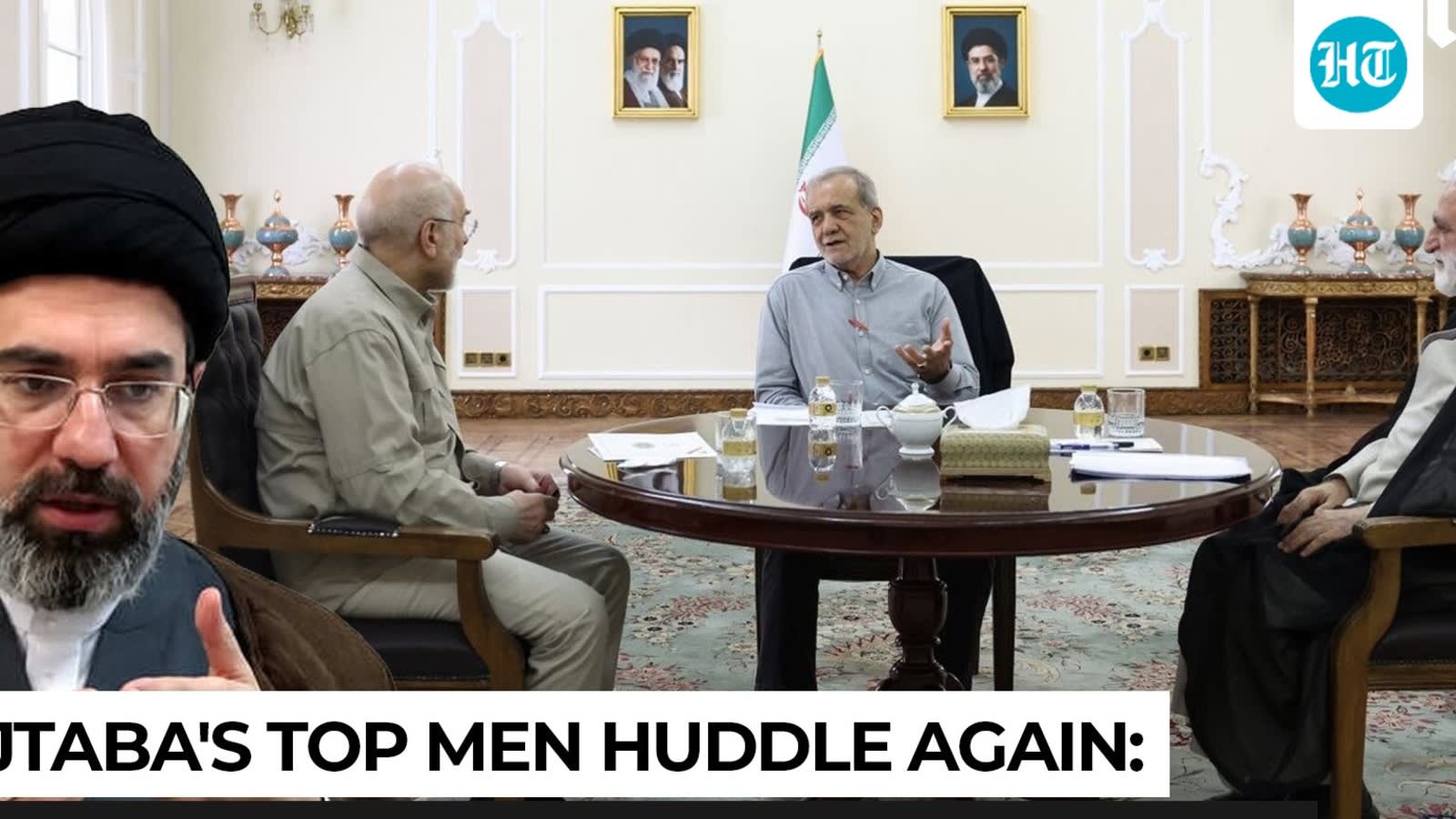
Iran’s top power trio meet in Tehran for 'secret' talks after seizure of America’s ‘advanced’ drone
Source Entity
Latest News: Todays Latest News Headlines from India & World | Hindustan Times | Hindustan Times
The IRGC claims to have captured an advanced US unmanned underwater vehicle in the Strait of Hormuz, sparking a diplomatic and military dispute. While Iran touts the seizure as a major intelligence victory, the Pentagon asserts the drone suffered a malfunction and carried no sensitive technology.
Tensions Surge in the Strait of Hormuz: The Unmanned Submersible Incident
The recent claim by the Islamic Revolutionary Guard Corps (IRGC) that it captured a sophisticated US unmanned underwater vehicle (UUV) at the entrance to the Strait of Hormuz represents a significant escalation in the ongoing maritime friction between Tehran and Washington. This strategic waterway, a vital artery for global energy supplies, has long been a theater for posturing and brinkmanship. The IRGC has framed this event as a complex intelligence success, heightening domestic rhetoric during a period of intense regional instability.
Conflicting Narratives: Intelligence Coup vs. Technical Failure
The narrative surrounding the incident is sharply divided. Iranian state media has characterized the vessel as one of the most advanced pieces of American technology, suggesting a major intelligence windfall. Conversely, the Pentagon has provided a starkly different account, stating that the vehicle—identified as an Anduril Dive-LD—suffered a technical malfunction more than a day before the alleged capture. US officials maintain that the drone was an older model, devoid of classified sonar or radar capabilities, effectively downplaying its strategic value.
The Strategic Importance of the Strait
The Strait of Hormuz remains one of the world's most critical maritime chokepoints. With a significant portion of global oil transit passing through these waters, any disruption or military posturing in this region carries immediate global economic implications. The IRGC’s decision to publicize the capture of the UUV serves as a demonstration of their monitoring capabilities and their willingness to challenge US naval presence in their immediate maritime periphery.
High-Level Diplomatic Maneuvering
The timing of this incident coincides with critical internal meetings in Tehran. President Masoud Pezeshkian, accompanied by Parliament Speaker Mohammad Bagher Ghalibaf and the judiciary chief, recently held high-level talks to address the escalating tensions. These meetings underscore the gravity with which the Iranian leadership views the current standoff, particularly as the rhetoric from Washington and the regional military posture intensify.
Regional Context and Future Trends
This incident does not occur in a vacuum; it is part of a broader, months-long pattern of maritime blockades and regional military activity in West Asia. As autonomous systems become increasingly common in naval operations, the legal and military frameworks for dealing with 'lost' or 'captured' drones remain underdeveloped. Future trends likely point toward increased frequency of such encounters, as both nations test the operational boundaries of unmanned surveillance in contested waters.
Conclusion: A Volatile Standoff
Ultimately, the capture of the UUV serves as a flashpoint that exposes the deep-seated distrust between Iran and the United States. Whether the vehicle was a high-tech intelligence asset or a discarded piece of hardware, the political capital derived from the event is clear. As both nations continue to navigate this volatile maritime environment, the risk of miscalculation remains high, necessitating careful diplomatic management to prevent localized incidents from escalating into broader regional conflicts.
Multiple Citing Sources
Verification Required?