Pakistan blinks on Houthis, walks back Saudi defence warning within 24 hours
Source Entity
ARYAN SINGH
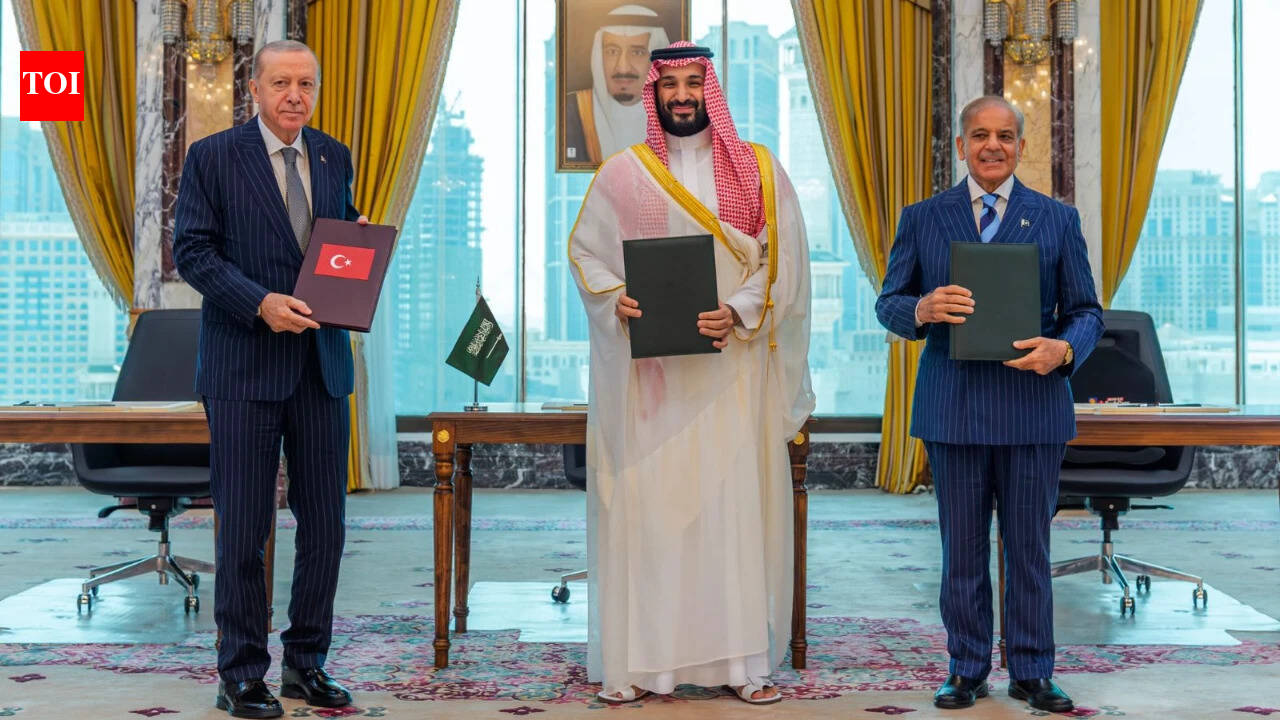
Pakistan's Defence Minister initially suggested the Mecca defence pact could be activated against Houthi attacks on Saudi Arabia, but the Foreign Ministry later walked back these claims. Islamabad clarified that no military response is currently under discussion, highlighting the delicate balance of its regional alliances.
Tensions Rise Over the Mecca Defence Pact
The recent geopolitical discourse surrounding the Mecca defence pact has placed Pakistan at a precarious intersection of regional security and diplomatic caution. Defence Minister Khawaja Asif initially signaled that the pact—a trilateral framework involving Saudi Arabia, Turkey, and Pakistan—could be activated in response to Houthi aggression against the Kingdom. This statement suggested a potential shift in Islamabad’s military posture, implying that the pact serves as a reactive shield against cross-border threats or a spillover of the Yemen conflict.
The Strategic Intent of the Mecca Agreement
At its core, the Mecca agreement is designed to enhance deterrence and regional defense cooperation. By linking the security interests of these three nations, the pact aims to create a unified front against external threats to Saudi sovereignty. However, the ambiguity surrounding the conditions for its activation has created significant diplomatic friction. The agreement is explicitly framed to address 'unprovoked aggression,' a term that carries heavy weight in the volatile landscape of Middle Eastern proxy conflicts.
Contradictory Messaging from Islamabad
Within 24 hours of the Defence Minister's warning, the Pakistani government initiated a clear reversal of its stance. Foreign Ministry spokesperson Sajjad Haider Khan clarified that no military response is currently under discussion. This rapid retraction underscores the complexities of Pakistan’s foreign policy, which must balance its deep-seated fraternal and financial ties with Saudi Arabia against its need to avoid direct entanglement in regional kinetic conflicts that could destabilize its own domestic security.
The Regional Implications
The Houthi attacks on Saudi territory serve as the primary catalyst for this discourse. As a major regional power, the Houthis' ability to project force into the Kingdom forces allies like Pakistan to define their red lines. By walking back the threat, Islamabad is signaling that while it remains committed to the spirit of the Mecca pact, it is not prepared to engage in immediate military escalation. This hesitation reflects a broader trend of regional powers attempting to manage security threats through diplomatic signaling rather than direct military intervention.
Future Trends and Diplomatic Caution
Moving forward, it is likely that Pakistan will continue to pursue a policy of strategic ambiguity. The government has confirmed there are no immediate plans to expand the alliance, suggesting that the current iteration of the Mecca pact is intended to be a stabilizing force rather than an offensive one. The volatility of the Yemen conflict ensures that this pact will remain a central pillar of regional security discussions, even as Islamabad works to avoid being drawn into the frontlines of the conflict.
Conclusion
The episode highlights the inherent tension between public posturing and the reality of statecraft. While the Mecca pact represents a significant commitment to Saudi defense, Pakistan’s rapid clarification suggests that the threshold for military activation remains high and is subject to intense, ongoing diplomatic review. The regional security architecture in the Middle East remains fragile, and Pakistan’s cautious approach reflects an understanding that any miscalculation could have far-reaching consequences for its international relations.