RNLI boss says volunteers facing 'unacceptable' abuse
Source Entity
BBC News
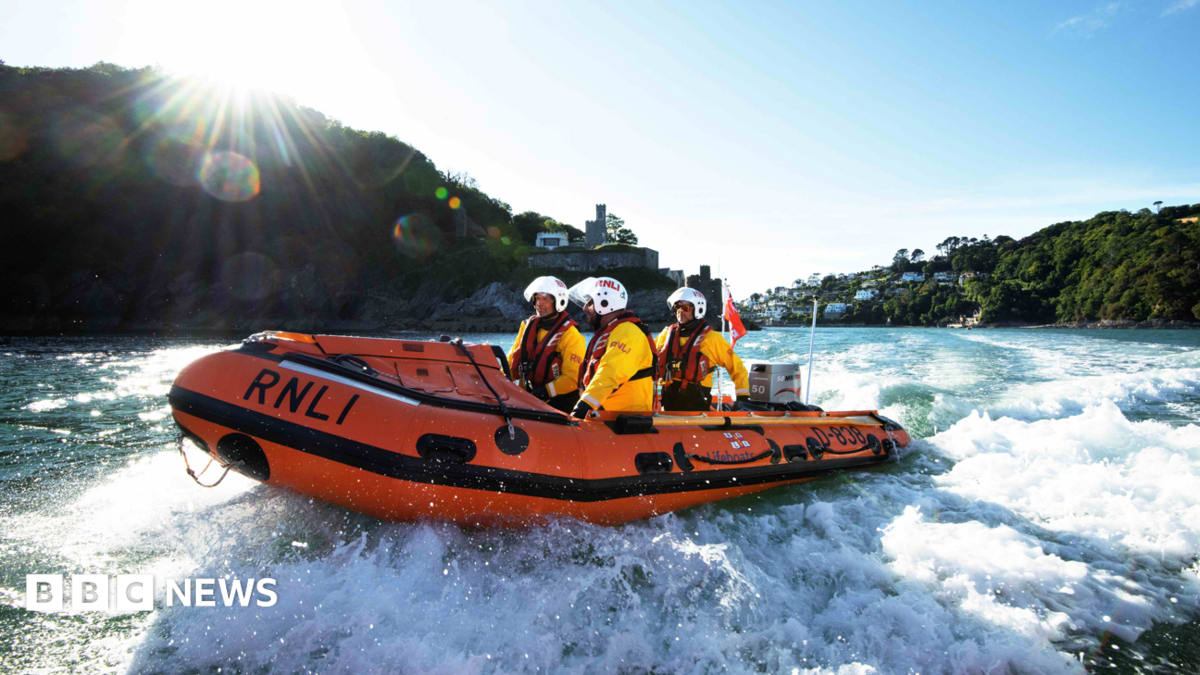
RNLI chief executive Peter Sparkes has condemned the rising tide of online and physical abuse directed at volunteers. This follows protests in Portsmouth and Dover targeting the charity's role in assisting migrants arriving by sea.
The Rising Conflict Over Maritime Humanitarianism
Recent events in Portsmouth and Dover have placed the Royal National Lifeboat Institution (RNLI) at the center of a volatile national debate. Chief executive Peter Sparkes has publicly condemned the 'unacceptable' abuse directed at volunteers, which includes both physical harassment and digital vitriol. This hostility emerged following the arrival of 140 individuals at Eastney Landing, where the RNLI provided assistance, triggering protests that blocked local infrastructure.
The Impact of Misinformation
At the heart of this confrontation lies what Peter Sparkes describes as 'deliberate misinformation' regarding the charity’s core mission. The RNLI, a long-standing institution dedicated to saving lives at sea, operates under a humanitarian mandate that is neutral and apolitical. However, the intersection of their rescue operations with the arrival of migrants has created a flashpoint for anti-migrant sentiment, leading to the harassment of volunteers who are simply performing their duty to prevent loss of life in dangerous waters.
Escalation of Civil Unrest
The protests represent a significant escalation in the tensions surrounding migration policy in the United Kingdom. In Portsmouth, demonstrators attempted to impede the RNLI's operations, while a prior, larger demonstration in Dover successfully brought the port to a standstill. These actions suggest a shift in tactics, where humanitarian organizations are being targeted as proxies for broader grievances regarding border control and national immigration policy.
The Challenge for Volunteer Safety
For an organization that relies heavily on a volunteer workforce, this environment presents a profound crisis. Volunteers often operate in high-stress, dangerous conditions to save lives; adding the threat of physical abuse or organized intimidation creates an unsustainable burden. Sparkes’s firm stance against those hiding 'behind a balaclava or a keyboard' underscores the severity of the threat, highlighting the psychological and physical safety concerns that now permeate the charity's daily operations.
Future Implications and Societal Cohesion
Looking ahead, the targeting of the RNLI poses a threat to the long-standing British tradition of maritime rescue. If volunteers are deterred from service by the fear of public backlash, the overall efficacy of search and rescue operations could be compromised. This crisis reflects a broader societal challenge: the preservation of humanitarian neutrality in an era of intense political polarization. The ability of the RNLI to maintain its mission without interference will serve as a bellwether for the health of civil society and the public's respect for humanitarian aid in the UK.