US Missile Struck Iranian Tanker Off Kharg Island, Says Iran Media
Source Entity
NDTV News Search Records Found 1000
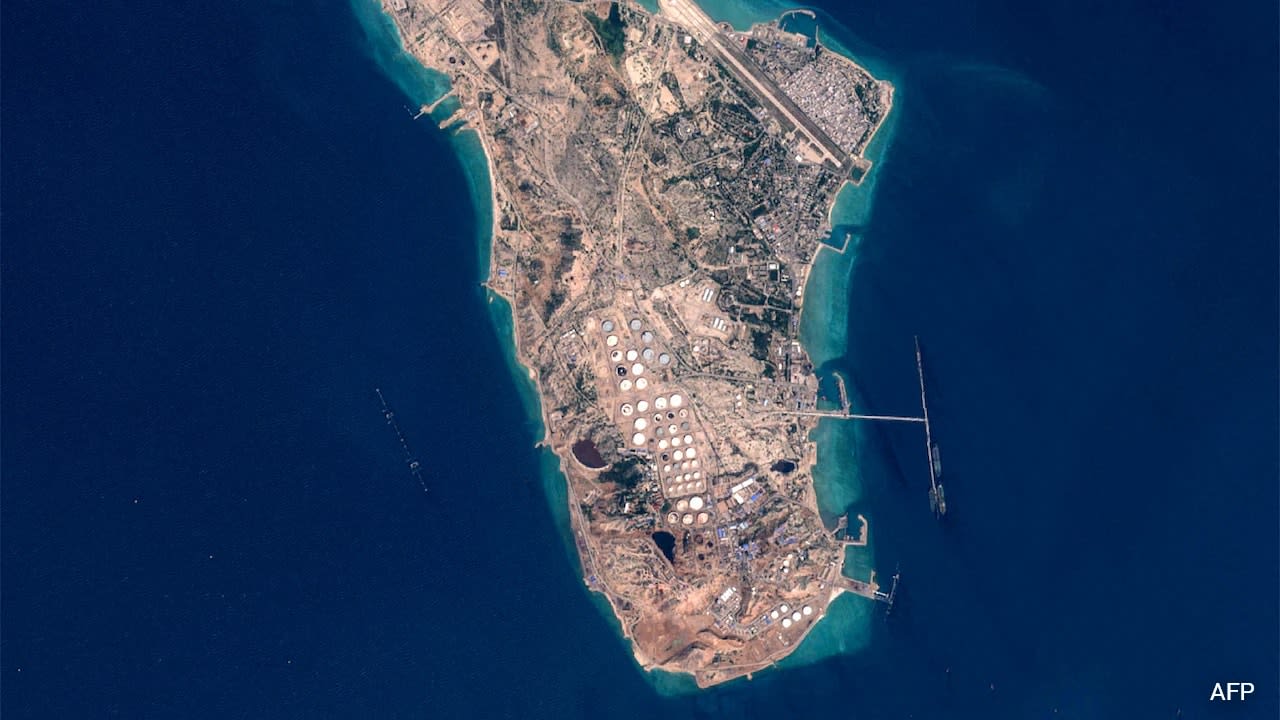
Tensions in the Persian Gulf have escalated sharply as US forces struck Iranian tankers near Kharg Island. In response, Iran's Revolutionary Guards launched retaliatory missile strikes against a US military base in Jordan.
Escalation in the Persian Gulf: A Strategic Crisis
The recent military confrontation between the United States and Iran near Kharg Island marks a significant escalation in regional hostilities. According to reports, US forces targeted multiple Iranian oil tankers linked to the Islamic Revolutionary Guard Corps (IRGC). This action was reportedly initiated as a defensive response to prior attempted missile attacks against a US Navy warship, signaling a shift from economic pressure to direct kinetic engagement in the Persian Gulf.
The Strategic Significance of Kharg Island
Kharg Island serves as a critical node for Iran’s oil export infrastructure, making it a focal point for regional power dynamics. By targeting tankers in this specific proximity, the United States is effectively challenging Tehran’s ability to project power and generate revenue through its maritime assets. The US naval presence, which involves escorting commercial vessels through the Strait of Hormuz, has increasingly functioned as a blockade, aimed at constricting Iranian economic leverage while safeguarding international maritime corridors.
Retaliatory Dynamics and the Jordan Strike
In a clear shift in tactics, Iran’s Revolutionary Guards confirmed a retaliatory strike against a US military base located in Jordan. This move signifies that Tehran is no longer limiting its responses to the immediate vicinity of the Persian Gulf. By extending the theater of conflict to Jordan, Iran is demonstrating its capability to project power against US assets across the Middle East, fundamentally altering the risk profile for American military personnel stationed in the region.
Broader Geopolitical Implications
This cycle of strike and retaliation highlights the fragility of the current status quo. The US strategy of intensifying military and economic pressure is designed to force concessions from Tehran. However, the direct attack on a base in Jordan suggests that Iran is prepared to absorb the costs of an asymmetric conflict to maintain its influence. This dynamic creates a high-stakes environment where miscalculation by either party could lead to a broader, uncontrollable regional conflict.
Future Trends and Regional Stability
Looking ahead, the situation remains precarious. The ongoing threat from Tehran to target Gulf oil vessels suggests that global energy security remains at risk. As both nations continue to test the limits of engagement, the international community faces the challenge of de-escalating a conflict that combines maritime tactical warfare with land-based missile strikes. Future developments will likely depend on whether diplomatic backchannels can mitigate further military exchanges or if the region is entering a prolonged period of active, kinetic confrontation.
Multiple Citing Sources
Verification Required?