'US Never Apologised': Iran Diplomat On Primary School Bombing
Source Entity
NDTV News Search Records Found 1000
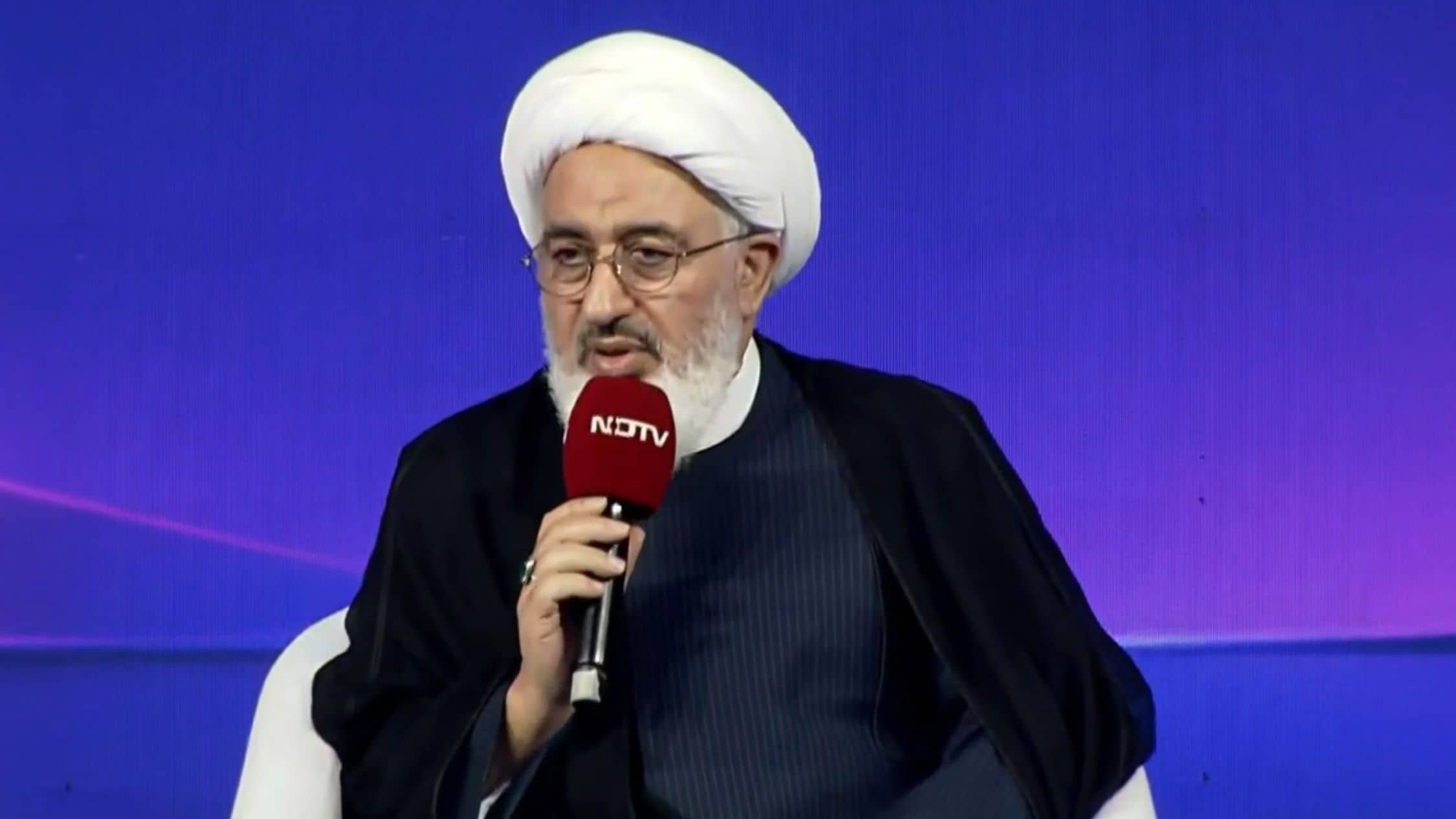
An Iranian diplomat has publicly criticized the United States for failing to issue an apology regarding a missile strike on a primary school in Minab. The incident reportedly occurred during the onset of the US-Israeli military operations within Iranian territory.
The Minab School Strike: A Diplomatic Point of Contention
Recent statements from Iranian diplomatic circles have brought renewed focus to the human cost of the ongoing US-Israeli military engagement in Iran. Central to these grievances is the reported missile strike on a primary school in the city of Minab, an incident that remains a significant flashpoint in the rhetoric between Tehran and Washington. The diplomat’s assertion that the United States has never offered an apology underscores the deep-seated mistrust and the lingering trauma that define the current conflict.
Contextualizing the Military Engagement
The strike occurred during the initial phases of the war, a period characterized by high-intensity aerial bombardment and strategic targeting. The impact on civilian infrastructure, specifically educational facilities like the school in Minab, raises profound questions regarding the rules of engagement and the protection of non-combatants in modern warfare. By highlighting this specific event, Iranian officials are attempting to leverage the moral implications of the attack to galvanize domestic sentiment and challenge the international legitimacy of the US-led operations.
Historical Precedents and Diplomatic Fallout
Historically, the failure to address civilian casualties has been a recurring theme in the broader geopolitical tensions between Iran and Western powers. In the context of the Middle East, such incidents are rarely viewed in isolation; they are integrated into a long-standing narrative of foreign intervention. The lack of an official apology, as noted by the Iranian diplomat, serves as a symbolic refusal by the United States to acknowledge the collateral damage inherent in its military strategy, which in turn complicates any potential for future diplomatic de-escalation.
The Broader Implications of Civilian Targets
The targeting of educational institutions carries heavy symbolic weight. Schools are traditionally viewed as protected spaces, and their destruction—whether accidental or collateral—often marks a turning point in how a local population perceives an occupying or invading force. The incident in Minab serves as a potent reminder that the kinetic aspects of this war have direct, irreversible impacts on the social fabric of the region, potentially hardening public resolve against US and Israeli objectives for generations to come.
Future Trends and Diplomatic Stagnation
Looking forward, the rhetoric surrounding the Minab strike is unlikely to subside. As long as the war continues, both sides will continue to use such incidents as components of their broader information warfare strategies. The demand for an apology is not merely a request for a diplomatic gesture; it is a strategic demand that forces the United States to validate the Iranian account of the war. Given the current political climate, it is highly probable that this incident will remain a permanent fixture in the diplomatic disputes between the two nations, further stalling any prospects for meaningful dialogue or mediation efforts.
Verification Required?