Iran used mosques to surveil, shoot at January protesters: Report
Source Entity
VIVEK DUBEY
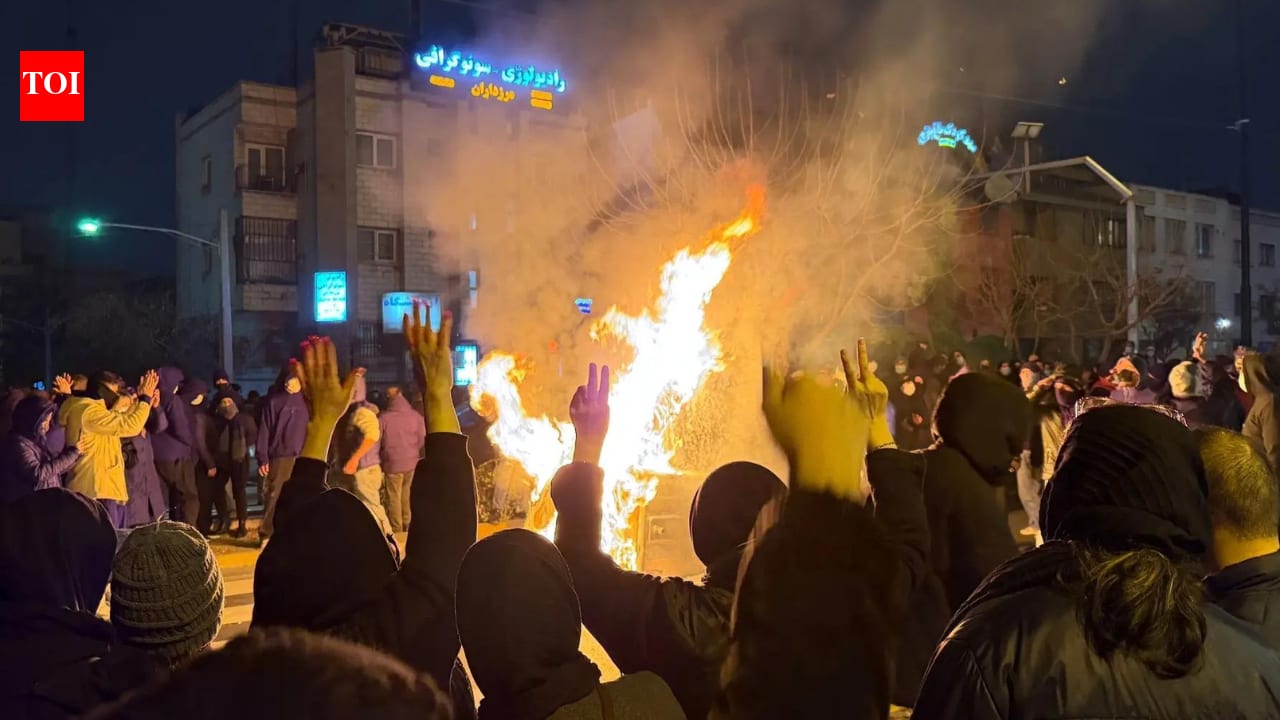
A recent report reveals that Iranian security forces utilized mosques in Tehran as tactical bases to monitor and suppress protesters in January. This strategic use of religious infrastructure marks a significant escalation in the state's efforts to contain public dissent.
The Strategic Militarization of Religious Spaces in Iran
Recent investigative reporting has unveiled a disturbing development in the Iranian government's methodology for suppressing domestic dissent. According to evidence obtained by Iran International, including intercepted radio communications, video footage, and eyewitness accounts, Iranian security forces repurposed mosques in and around Tehran to serve as operational hubs. Specifically, during the unrest on January 8 and 9, these religious sites were utilized to deploy personnel and monitor the movements of protesters.
Tactical Utilization of Mosques
The report highlights the use of the Imam Hossein Mosque, located near the intersection of Sattari Highway and Mokhbari Street, as a command point. By converting these spaces into tactical bases, security forces were able to maintain a persistent presence in high-traffic areas while ostensibly operating under the cover of religious institutions. This maneuver allowed the state to coordinate its response to widespread public anger with greater proximity to the demonstrations.
Contextualizing the Crackdown
This incident occurred against a backdrop of escalating public unrest in Iran, where authorities have faced consistent challenges from a disillusioned citizenry. The decision to use mosques—institutions that hold significant societal and cultural importance—as staging grounds for security operations signals a shift in the regime's approach to crowd control. By embedding themselves within civilian infrastructure, security forces effectively blurred the lines between religious life and state-sanctioned repression.
Broader Implications for Civil Unrest
The use of such sites for surveillance and the deployment of force carries profound implications for the relationship between the state and the public. Historically, mosques have served as centers for community congregation and, at times, political discourse. By militarizing these environments, the authorities risk further alienating segments of the population who view these spaces as sacred or neutral, potentially deepening the divide between the government and the governed.
Monitoring and Surveillance Tactics
The integration of radio communications and physical surveillance from these vantage points suggests a highly coordinated effort to identify and neutralize dissenters. This level of tactical planning indicates that the state's crackdown was not merely a reactive measure but a calculated strategy designed to suppress the January protests through intelligence-led operations. The use of geolocated evidence confirms that these operations were not isolated incidents but part of a broader, systemic response to the ongoing unrest.
Future Trends in State Control
Looking forward, the repurposing of public and religious infrastructure for security operations suggests a future where the Iranian state may continue to leverage existing physical networks to manage dissent. As protesters adapt to new methods of demonstration, the government’s reliance on such unconventional bases may become a standard component of its security apparatus. This trajectory highlights the intensifying cat-and-mouse game between state security forces and those advocating for political and social change.