Ukraine is targeting Russia’s retail giants. Ozon is the next economic pressure point
Source Entity
US Top News and Analysis
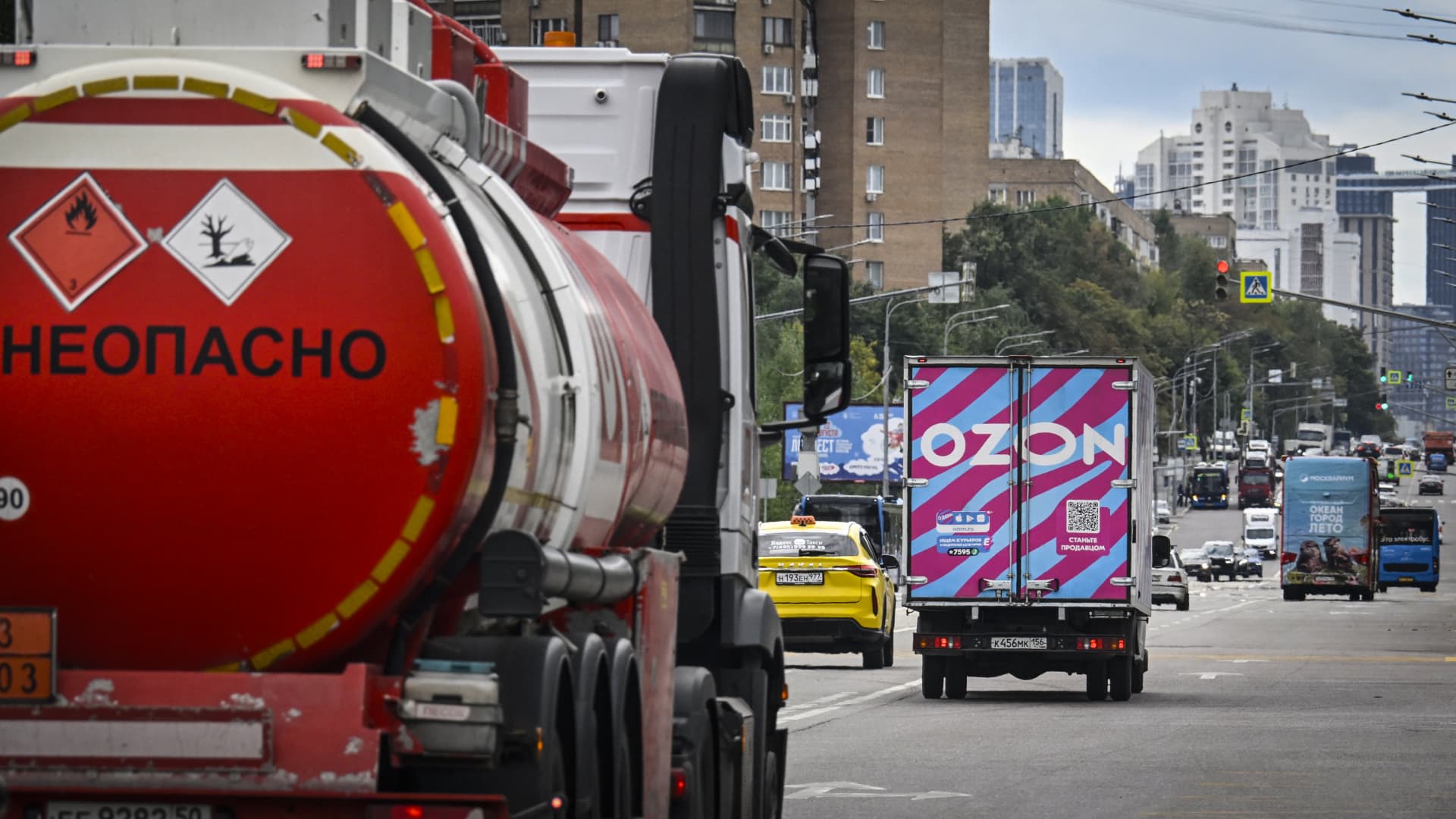
Ukraine has expanded its drone campaign against Russian logistics, targeting e-commerce giant Ozon following previous strikes on Wildberries. This strategy aims to disrupt domestic supply chains and place direct financial pressure on the Russian wartime economy.
Strategic Shift: Ukraine Targets Russia’s Digital Retail Infrastructure
In an escalation of its tactical campaign against the Russian domestic economy, Ukraine has shifted its focus toward the nation's burgeoning e-commerce sector. On August 24, 2026, Ozon, Russia’s second-largest online retailer, confirmed that its warehouses were struck by drone attacks. This event marks a significant expansion in Kyiv’s efforts to disrupt the logistics networks that serve as the backbone of Russian civilian and commercial life, moving beyond traditional industrial or military targets to hit the heart of the consumer economy.
The Economic Rationale Behind Warehouse Strikes
By targeting entities like Ozon and the previously attacked Wildberries, Ukraine is executing a strategy designed to inflict 'fresh pain' on President Vladimir Putin’s wartime economy. These companies are not merely retail platforms; they function as critical logistics hubs that maintain the flow of goods across the Russian Federation. By compromising these warehouses, Ukraine aims to force a reallocation of resources, increase insurance and security costs for Russian firms, and ultimately cause a ripple effect of financial instability that impacts the broader banking and business sectors.
Expanding the Scope of Asymmetric Warfare
This campaign represents a departure from standard military engagements. While the conflict has traditionally been defined by trench warfare and artillery exchanges, the use of long-range drones to strike private commercial infrastructure signifies a new phase of asymmetric warfare. By bringing the reality of the war into the logistics centers that underpin daily life in Russia, Kyiv is attempting to erode the sense of normalcy within the Russian interior, thereby challenging the economic resilience that has allowed the Kremlin to sustain its military operations.
Financial Implications and Market Volatility
Ozon, often described as the 'Amazon of Russia,' plays a pivotal role in the country’s digital transition. The targeting of its infrastructure has immediate repercussions on market confidence. As news of the drone strikes broke, the company's shares faced volatility, reflecting investor anxiety over the vulnerability of Russia's tech-heavy retail giants. This pressure on share prices serves as a secondary front in the conflict, intended to discourage investment and inflate the cost of capital for companies operating within the Russian market.
Future Trends in Logistics Sabotage
Looking ahead, it is likely that Ukraine will continue to view these retail giants as legitimate pressure points. The efficiency of modern supply chains is also their greatest weakness, as the centralization of goods in massive distribution centers makes them high-value, stationary targets. If these attacks persist, Russian retailers will be forced to invest heavily in air defense systems or decentralized storage, both of which would significantly increase operational expenses and degrade the efficiency of their commercial networks.
Conclusion
Ultimately, the targeting of Ozon is a calculated move to broaden the economic consequences of the ongoing conflict. By hitting the logistics nodes of the Russian e-commerce sector, Ukraine is successfully demonstrating that no part of the Russian commercial landscape is insulated from the war's reach. Whether this strategy will lead to significant internal economic degradation remains to be seen, but it is clear that Kyiv is committed to utilizing every available tool to disrupt the financial mechanisms supporting the Russian state.