Torpedoes, missiles & unmanned craft: Iran’s small-boat arsenal gets more complex for US warships
Source Entity
Latest News: Todays Latest News Headlines from India & World | Hindustan Times
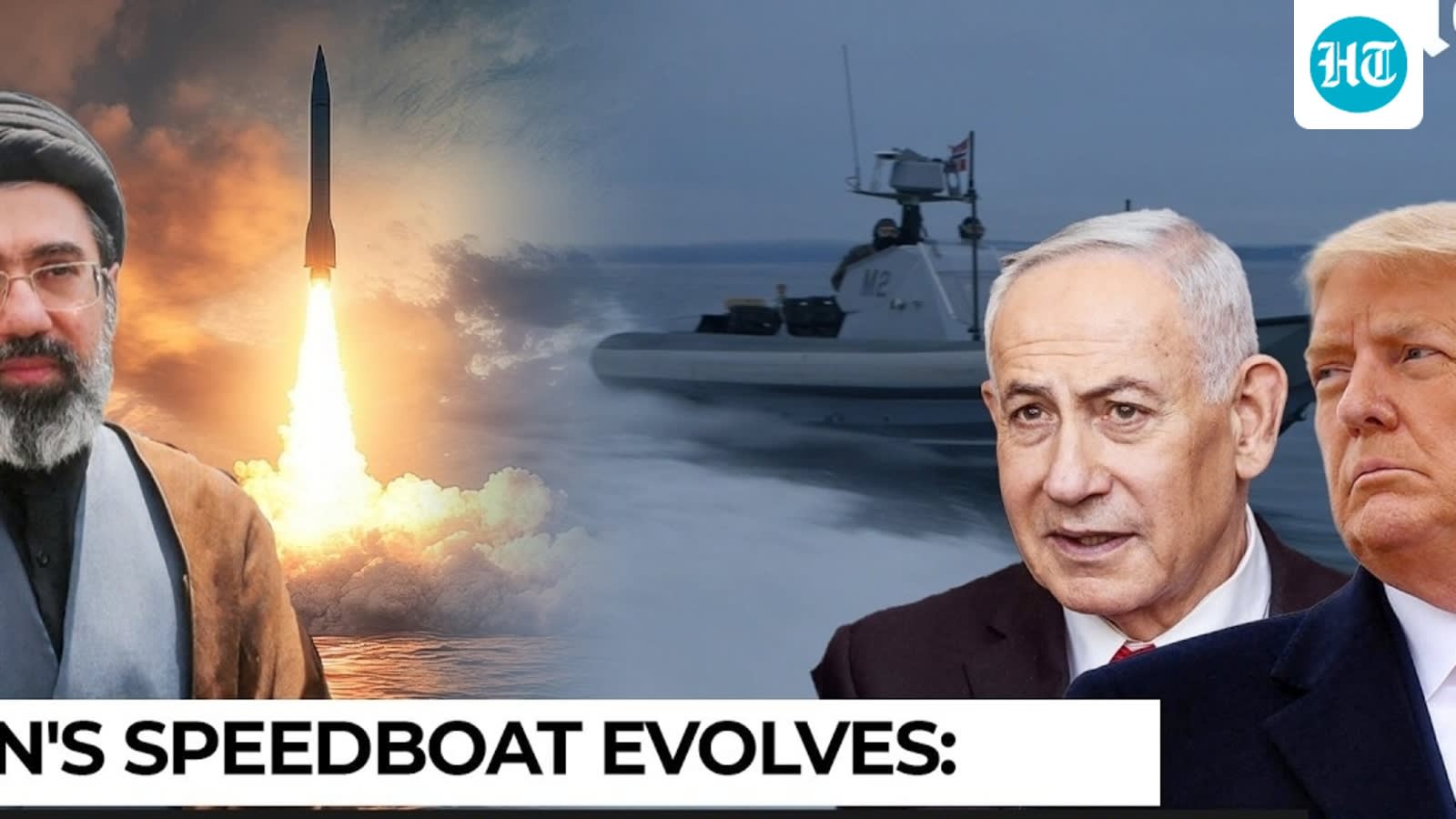
Iran is upgrading its naval capabilities with high-speed, missile-armed fast-attack boats designed for swarm tactics against larger warships. Amid heightened regional tensions, the IRGC has been ordered to prepare for potential conflict, raising risks for U.S. naval operations in the Persian Gulf.
The Evolution of Iran's Naval Asymmetric Warfare
Iran’s naval strategy in the Persian Gulf and the Strait of Hormuz has undergone a significant transformation, moving from traditional gunboat patrols to a sophisticated, high-speed arsenal. By integrating anti-ship missiles, torpedoes, and unmanned technology into platforms like the Zolfaghar, Ashura, and Seraj, the Islamic Revolutionary Guard Corps (IRGC) has created a formidable challenge for larger, conventional naval forces. These vessels, some capable of speeds exceeding 200 kilometers per hour, represent a deliberate shift toward asymmetric warfare.
The Mechanics of Swarm Tactics
The core of the Iranian naval doctrine relies on 'swarm tactics.' Unlike conventional naval engagements that favor long-range sensors and heavy armor, this strategy uses sheer volume and speed to overwhelm a target's defensive systems. By coordinating numerous small, agile vessels simultaneously, the IRGC aims to saturate the tracking capabilities of larger warships, forcing them to contend with multiple vectors of attack that include both kinetic weapons and potential unmanned craft.
Escalation in the Persian Gulf
The strategic importance of this buildup is underscored by the current geopolitical climate. Reports indicate that Mojtaba Khamenei has ordered Iranian forces to prepare for a forceful response to any potential military provocation. This directive, combined with explicit warnings from Tehran that U.S. ships could face missile fire if the region is destabilized, signals a departure from posturing toward active combat readiness.
Implications for U.S. Naval Operations
For the United States Navy, the proliferation of these advanced, high-speed platforms necessitates a reevaluation of standard patrol and deterrence measures. The Strait of Hormuz, a critical global shipping choke point, becomes increasingly volatile when Iranian forces can deploy missile-armed fast-boats on short notice. The ability of these vessels to operate in shallow, congested waters makes them particularly difficult to neutralize before they can enter an effective firing range.
Future Trends and Regional Stability
Looking forward, the integration of unmanned systems into this fast-attack fleet suggests that Iran is prioritizing autonomous or remote-controlled threats that minimize risk to human operators while maximizing reach. As technology advances, the threshold for accidental escalation grows higher. The combination of rapid technological development and hardening political rhetoric suggests that the maritime security environment in the Persian Gulf will remain a primary focus of international concern, with the potential for sudden, high-intensity naval confrontations remaining a persistent reality.
Verification Required?