Troops in ‘body bags,’ ships in a ‘graveyard’? What is Iran's Mojtaba planning for Trump's military?
Source Entity
Latest News: Todays Latest News Headlines from India & World | Hindustan Times | Hindustan Times
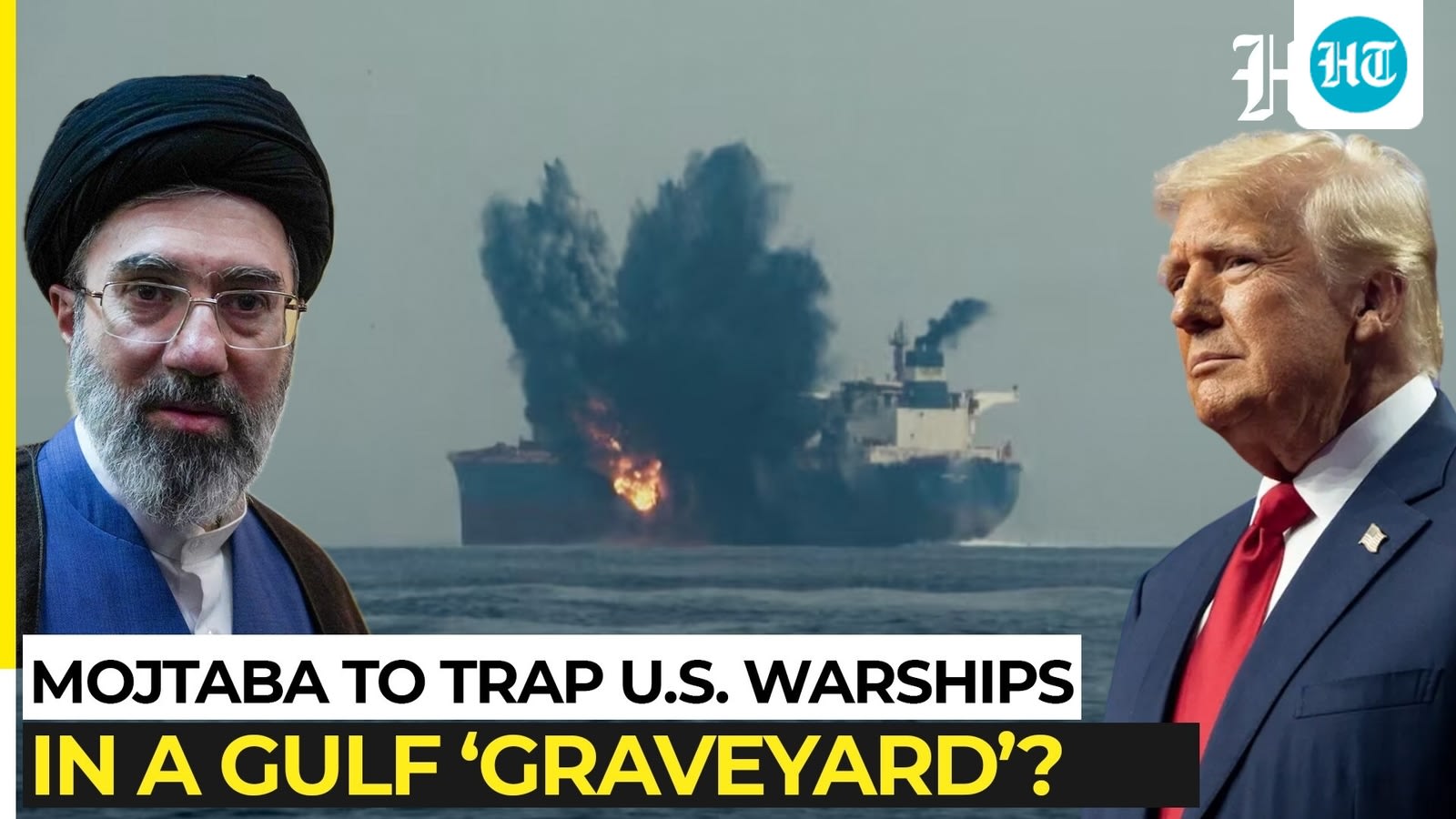
Iran has issued a stern warning to the U.S., threatening to turn the Persian Gulf into a 'graveyard' for American ships if military action is taken. This escalation comes as U.S. carrier strike groups maintain a significant presence in the region amidst heightened geopolitical tensions.
Tensions Escalate: Iran’s Stern Warning to the United States
Recent rhetoric from Tehran has intensified as Mohammad Bayat, a member of Iran’s parliamentary Councils Committee, issued a stark warning regarding the presence of U.S. naval forces in the Middle East. Bayat explicitly stated that any U.S. military action would transform the Persian Gulf into a “graveyard” for American vessels, signaling a potential shift toward a more aggressive defensive posture from the Iranian government in response to the Trump administration.
The Strategic Geography of the Persian Gulf
The Persian Gulf serves as a critical maritime chokepoint for global energy supplies, and its strategic importance cannot be overstated. By threatening to turn these waters into a graveyard, Iran is leveraging its geographic advantage and its history of asymmetric warfare capabilities. The presence of two U.S. carrier strike groups in the Arabian Sea underscores the current high-stakes environment, where any miscalculation could lead to significant military and economic repercussions for both nations.
Analyzing the Naval Posture
The deployment of multiple U.S. carrier groups—including the USS Theodore Roosevelt in the western Pacific and others in the Arabian Sea—reflects a broader U.S. strategy of power projection. This naval presence is designed to deter regional aggression; however, as evidenced by the rhetoric from the Iranian parliament, such displays of force can be interpreted as direct provocations. The juxtaposition of U.S. naval mobility against Iran’s static coastal defenses creates a volatile theater of operations.
Economic and Military Implications
The warning issued by Bayat explicitly mentions the imposition of “heavy economic and military costs” on Washington. This suggests that Iran is prepared to utilize not only conventional naval assets but potentially disruptive economic measures, such as threatening the flow of oil through the Strait of Hormuz. Such actions would likely cause global energy price volatility, further complicating the geopolitical landscape for the Trump administration.
Future Trends and Diplomatic Uncertainty
As the world observes these developments, the primary question remains whether the U.S. will prioritize further military pressure or seek a diplomatic off-ramp. Given the current trajectory of rhetoric from Tehran, the window for de-escalation appears narrow. Future trends will likely depend on whether Washington views the Iranian warnings as mere posturing or as a genuine intent to escalate conflict, which will dictate the subsequent deployment cycles of U.S. naval assets in the region.
Conclusion
The standoff between Tehran and Washington represents a precarious moment in international relations. While the U.S. maintains its naval presence to project strength and protect strategic interests, Iran’s warnings highlight the inherent risks of such a strategy. The situation remains fluid, with the potential for either a controlled diplomatic engagement or a rapid escalation into direct military friction.
Verification Required?