Delhi wakes up to first ‘poor’ air reading of the season, AQI at 227
Source Entity
Latest News: Todays Latest News Headlines from India & World | Hindustan Times | Hindustan Times
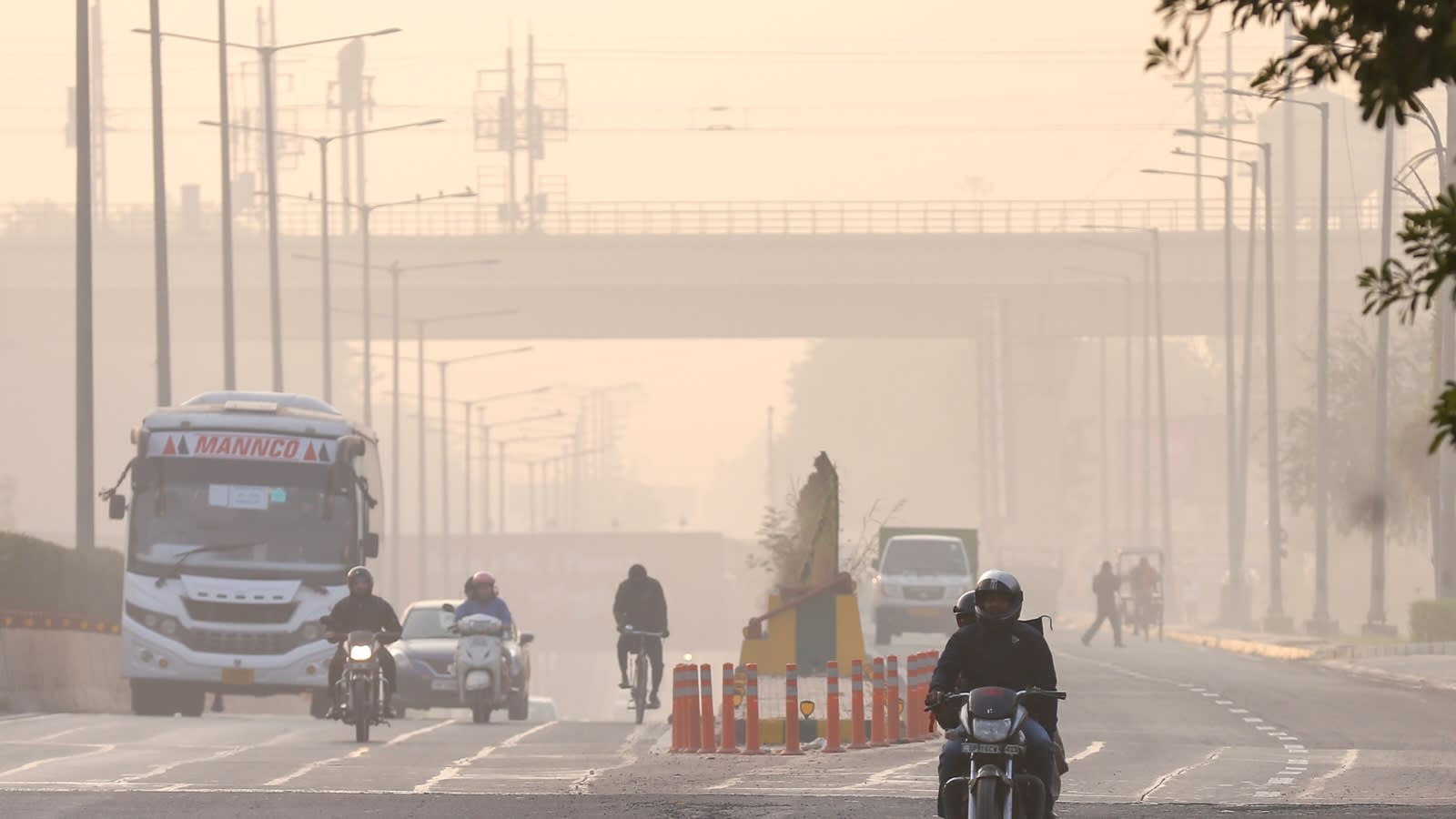
Major Indian cities are facing a sharp decline in air quality, with Mumbai ranking as the third most polluted city globally. Meanwhile, Delhi is bracing for a shift to the 'poor' category as winter approaches, driven largely by transport emissions.
The Escalating Air Quality Crisis in India
Recent data from IQAir has brought a concerning spotlight to Mumbai’s deteriorating air quality, as the city has surged from the fifth to the third most polluted city globally in just one week. With an Air Quality Index (AQI) reading of 166, Mumbai now trails only Kuala Lumpur and Kolkata. This rapid decline is not an isolated incident but a reflection of broader atmospheric challenges facing major Indian urban centers, where PM 2.5—fine particulate matter—has emerged as the primary pollutant of concern.
The Data Behind the Distress
According to the Central Pollution Control Board (CPCB), the situation within Mumbai is widespread. Thirteen out of twenty operational monitors in the city are reporting 'unhealthy' readings, with specific hotspots such as Navy Nagar (Colaba) and the Bandra Kurla Complex (BKC) recording values of 158 and 156, respectively. This granular data underscores a systemic struggle to maintain air safety standards across diverse municipal zones, impacting millions of residents daily.
Delhi’s Looming Winter Crisis
Simultaneously, the National Capital Region is experiencing a seasonal shift toward hazardous conditions. The Indian Institute of Tropical Meteorology (IITM) has forecasted that Delhi's air quality is set to deteriorate into the 'poor' category, a trend expected to persist for at least six days. This follows a noticeable rise in the city's AQI from 139 to 179 within a single day. The last time Delhi grappled with such levels was in mid-July, indicating a return to a cycle of seasonal atmospheric distress.
Identifying the Primary Drivers
Evidence suggests that the sources of pollution are multifaceted. In Delhi, the IITM’s Decision Support System (DSS) has identified transport emissions as the single largest contributor to the city's pollution load, accounting for over 23% of tracked emissions as of October 19. The shift in prominent pollutants—from ozone and PM10 to the more pervasive PM2.5—highlights a complex chemical transformation in the air that complicates mitigation efforts.
Regional Implications and Future Trends
While Mumbai and Delhi face their own unique geographic and industrial challenges, the regional trend is clear: air quality in India's major hubs is increasingly fragile. Neighboring cities like Noida and Gurugram are already recording 'moderate' AQI levels, suggesting that the pollution footprint is not contained within municipal borders but is instead a regional phenomenon. As winter approaches, the drop in temperature and changes in wind patterns are likely to trap pollutants closer to the ground, potentially exacerbating the current 'poor' and 'unhealthy' readings.
Conclusion
The convergence of data from IQAir and the CPCB presents a sobering reality for India’s urban health strategy. With transport emissions leading the charge in Delhi and PM 2.5 levels climbing across Mumbai, the need for robust, data-driven interventions has never been more urgent. Policymakers must now balance economic activity with the immediate necessity of public health protection to prevent a prolonged winter of poor air quality.
Verification Required?