India-US ‘pretty close’ to signing a ‘different kind of deal,’ says Trump
Source Entity
SHIVANGHI PAYAL
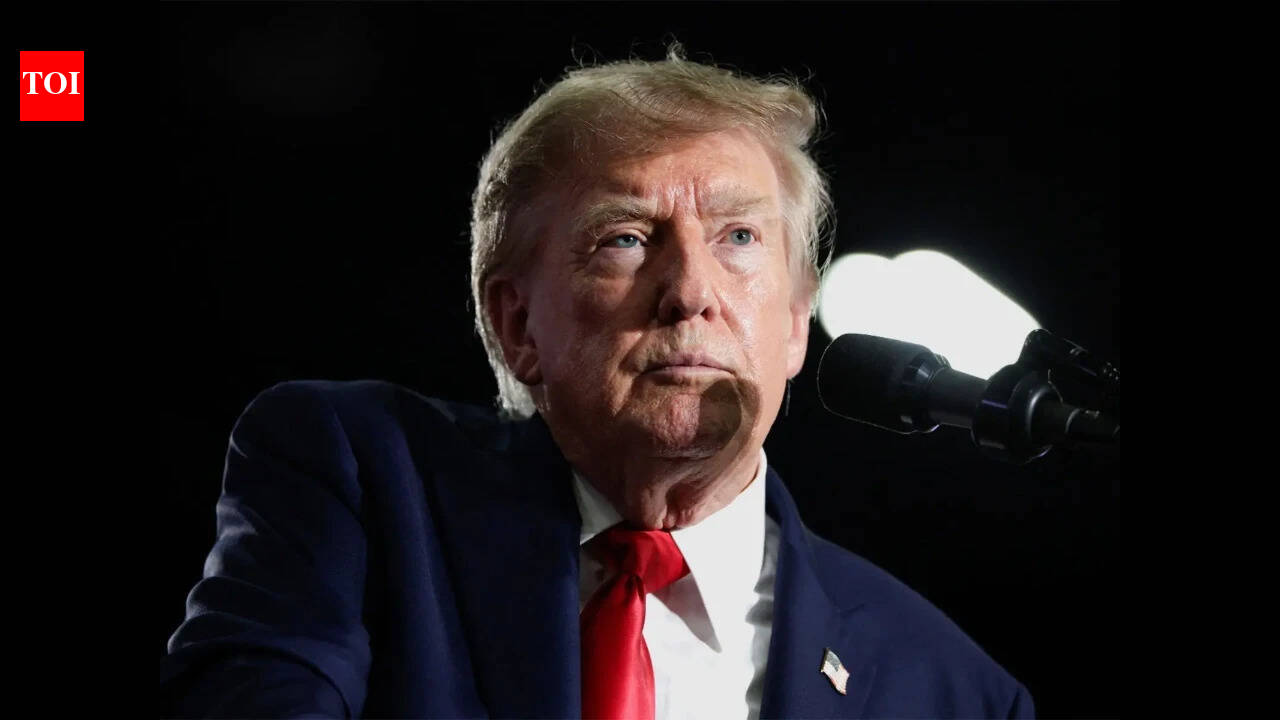
US Secretary of State Marco Rubio's recent visit to Mumbai and Jamnagar signals a strategic shift in US-India relations toward economic pragmatism. By prioritizing industrial partnerships, both nations are working to stabilize ties amidst recent diplomatic turbulence.
A Strategic Pivot in US-India Diplomacy
US Secretary of State Marco Rubio’s recent three-day visit to India, specifically bypassing the traditional diplomatic hub of New Delhi in favor of Mumbai and the Jamnagar refinery complex, marks a significant departure from standard bilateral engagement. This visit, occurring during a period of unexpected turbulence in the US-India relationship under President Donald Trump’s second term, suggests a calculated effort to move beyond protocol and focus on tangible economic alignment. By engaging directly with industrial powerhouses, the US is signaling a transition toward viewing India less as a traditional diplomatic capital and more as a critical hub for global economic assets.
The Power of a Dual Mandate
Marco Rubio occupies a unique position in the current administration, wielding the combined influence of Secretary of State and National Security Adviser—a concentration of power not seen since the era of Henry Kissinger in the 1970s. For India, this consolidation is significant; it ensures that economic and security dialogues are synthesized at the highest level of US governance. As a former Senator with a long-standing record of advocating for closer US-India ties and a potential contender for the 2028 Republican presidential nomination, Rubio represents a long-term investment for New Delhi. India’s decision to facilitate this visit is a prudent maneuver to secure future stability in the face of shifting American political winds.
Jamnagar: The Nexus of Energy and Industry
The selection of the Jamnagar refinery—owned by Reliance Industries Limited (RIL)—as a focal point of the trip is highly symbolic. The facility’s unique capacity to refine hard Venezuelan crude makes it a vital asset in the current global energy landscape. This visit follows President Trump’s earlier announcements regarding a massive $300 billion refinery project in the United States, in which RIL is expected to play a central role. By touring the site alongside the Ambanis and Ambassador Sergio Gor, Rubio is reinforcing the administration’s focus on bringing offshored industrial jobs back to the US through private-sector synergy.
Navigating Geopolitical Turbulence
This visit, marking Rubio's second trip to India in six months, appears to be deeply integrated with broader US strategic objectives, including the preparation for potential geopolitical escalations in the Middle East following the November mid-term elections. The urgency displayed by both Washington and Delhi suggests a shared recognition that the current state of relations requires a reboot. By fast-tracking discussions on long-pending trade deals and focusing on digital infrastructure alongside energy, both nations are attempting to move past recent friction points.
Looking Toward the Future
As the US and India navigate the remaining years of the current presidential term, the success of this visit will be measured by the realization of these economic promises. The emphasis on digital infrastructure and energy security suggests that the 'new era' of diplomacy will be defined by sectoral cooperation rather than just policy rhetoric. If the trade deal mentioned by Rubio comes to fruition, it could provide the necessary ballast to stabilize the relationship, ensuring that the partnership remains resilient against the unpredictable nature of global politics and domestic political cycles in both countries.
Multiple Citing Sources