World News Today Live Updates: Trump says no negotiations with Iran, hints at move ‘very soon’
Source Entity
The Indian Express
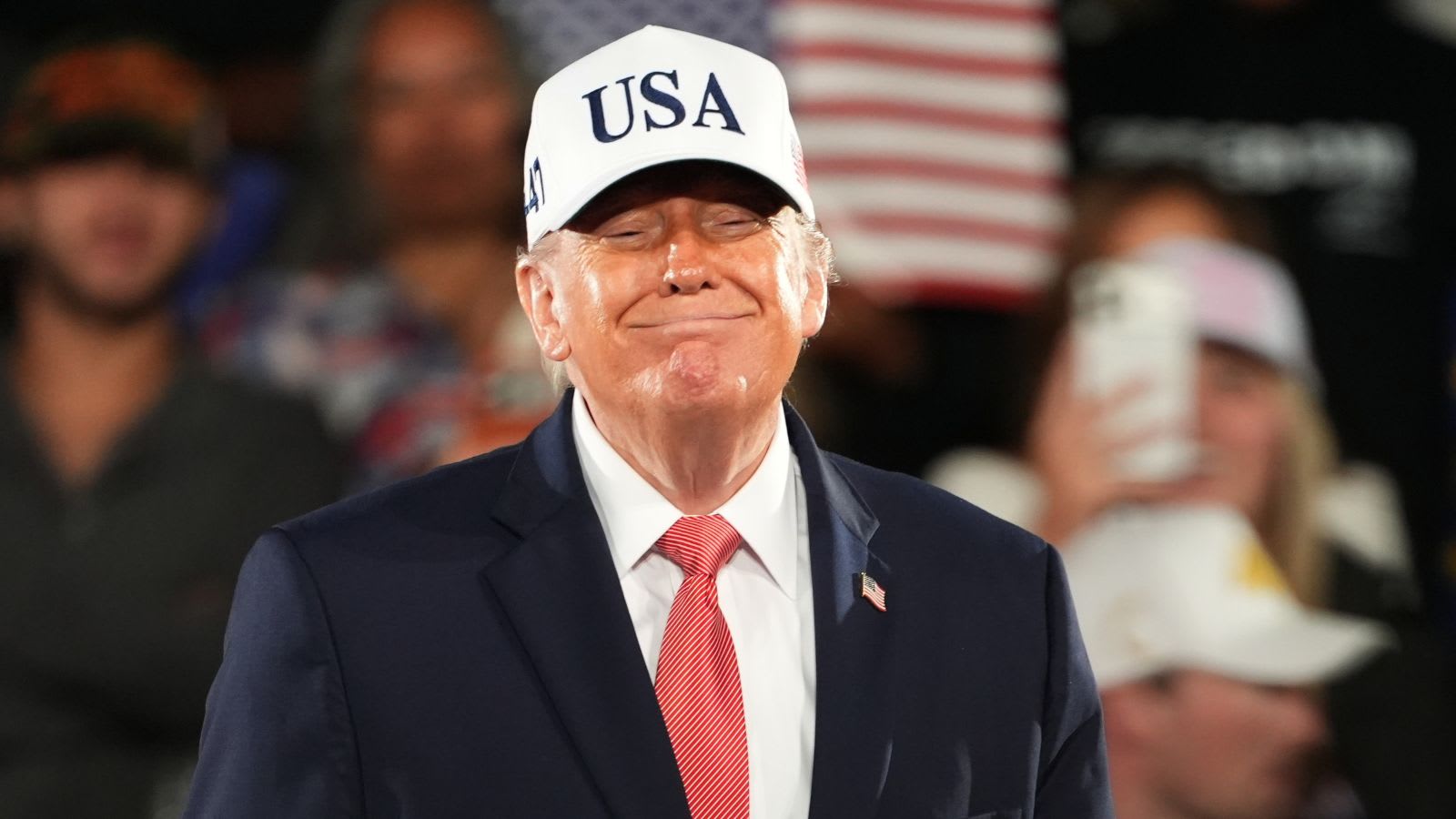
President Trump has ruled out current negotiations with Iran, suggesting that significant developments in the conflict will occur shortly after the US midterm elections. Reports indicate that the US and Israel are coordinating potential military strike plans to be executed following the November 3 vote.
Tensions Escalate: The US-Iran Standoff
President Donald Trump’s recent declaration that the United States is not engaging in negotiations with Tehran marks a significant hardening of rhetoric in an already volatile geopolitical climate. By stating that "something" will happen "very soon," the President has signaled a departure from diplomatic outreach, leaving the international community to speculate on the nature of potential upcoming actions. This ambiguity creates a high-stakes environment where military posturing takes precedence over traditional statecraft.
The Post-Election Strategic Window
The timing of these developments is intrinsically linked to the US midterm elections scheduled for November 3. By suggesting that significant changes in the conflict are likely to materialize after the polls close, the administration appears to be balancing domestic political considerations with foreign policy objectives. This suggests a calculated strategic pause, allowing the electoral process to conclude before the executive branch potentially shifts toward more aggressive tactical maneuvers against the Islamic Republic.
US-Israel Coordination on Military Contingencies
Central to this narrative is the reported collaboration between the United States and Israel regarding potential military strikes. The alignment of these two nations in drafting contingency plans underscores a unified front against what they perceive as Iranian regional influence and security threats. This coordination is not merely reactive; it represents a proactive military framework designed to deter Iranian actions through the credible threat of force.
Historical Context and Regional Implications
The conflict between Washington and Tehran is deeply rooted in decades of diplomatic friction, nuclear proliferation concerns, and regional power struggles. The current escalation reflects a long-standing pattern where economic sanctions and diplomatic isolation are increasingly supplemented by military planning. Should these planned strikes come to fruition, the regional implications could be profound, potentially destabilizing maritime security, energy markets, and existing diplomatic alliances in the Middle East.
Future Trends in Middle East Security
Looking ahead, the shift toward military contingency planning suggests that the conflict is entering a more kinetic phase. If both the US and Israel proceed with these plans post-election, the region may witness a significant uptick in military activity. Observers should monitor the rhetoric from both Washington and Tehran closely, as the lack of active negotiations significantly narrows the window for de-escalation and increases the likelihood of miscalculation in a highly militarized theater.
Conclusion
In summary, the confluence of domestic electoral cycles and high-level military planning suggests that the US-Iran conflict is at a critical juncture. With formal negotiations off the table and tactical strike plans reportedly in progress, the period immediately following the November 3 elections will be a definitive test for regional stability and global diplomatic efforts.