Another 'exploding pager' plot? Israel eyes strike on Tehran’s top military bosses
Source Entity
ARYAN SINGH
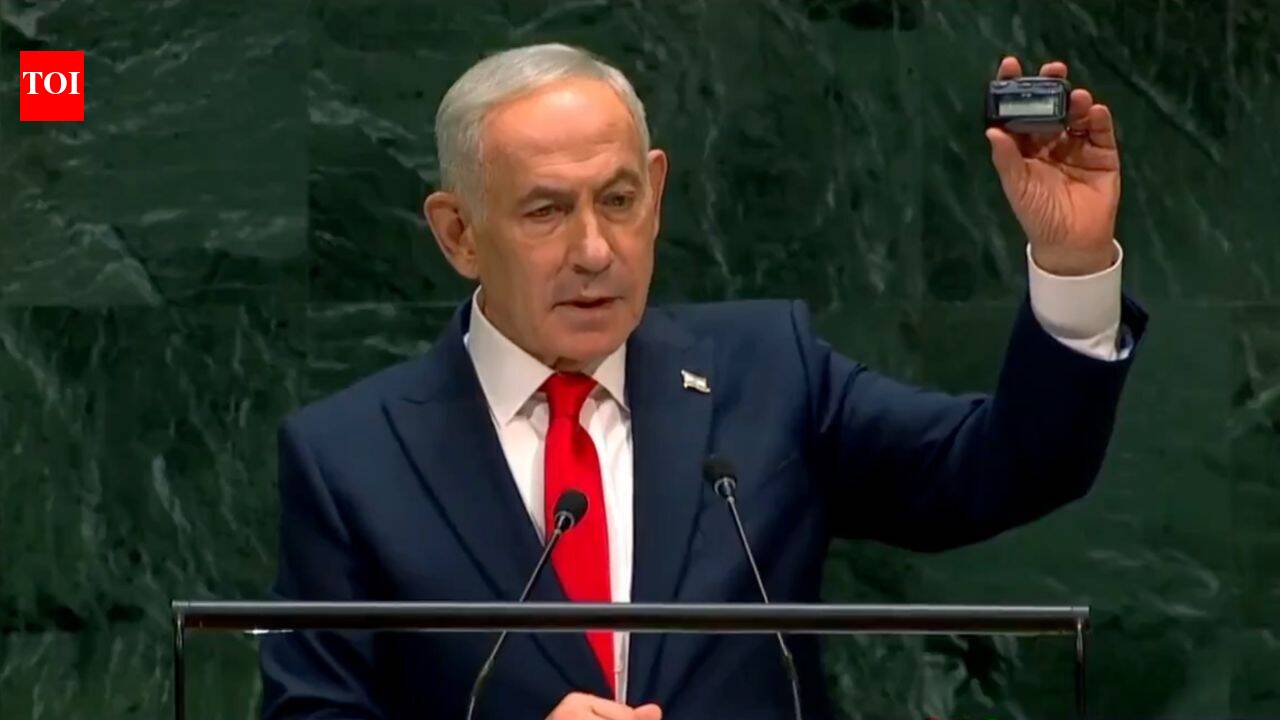
Israel is reportedly considering covert operations against Iranian military leadership modeled after the 2024 pager attacks on Hezbollah. Former Mossad official Oded Ailam confirmed such tactics are being evaluated as a strategic option following the US midterm elections.
Strategic Escalation: The Prospect of Covert Operations Against Iran
Recent reports indicate that Israel is evaluating the potential for high-stakes, covert operations against Iran's military and security leadership. This strategy, characterized by the precise targeting of senior commanders, is being modeled after the highly successful 2024 campaign against Hezbollah, which famously utilized explosive communication devices to disrupt the organization's command structure. By contemplating such measures, Israel signals a shift toward asymmetrical warfare as a means to neutralize perceived threats from Tehran.
The Precedent of the 2024 Hezbollah Campaign
The tactical blueprint for this potential operation stems from the effective neutralization of Hezbollah’s communication networks earlier in 2024. By compromising the supply chain of pagers and handheld devices, Israel was able to inflict significant damage on the group's internal coordination. The success of this operation has clearly influenced current strategic thinking in Tel Aviv, with figures like former Mossad deputy head Oded Ailam explicitly stating that similar methods are now "fully on the table" regarding Iran’s Islamic Revolutionary Guard Corps (IRGC).
Targeting the Iranian Command Structure
The focus of these potential operations is the disruption of Tehran's wartime command structure. By identifying and isolating the key figures who exercise real power within the IRGC, Israeli planners aim to create a leadership vacuum that could cripple Iran's ability to coordinate regional proxies or respond effectively to external pressure. This targeted approach seeks to avoid the broader, more unpredictable consequences of full-scale conventional war while still delivering a devastating blow to the adversary's operational capacity.
Geopolitical Timing and the US Factor
Timing remains a critical component of this strategic calculus. Reports suggest that any major kinetic or covert action against Tehran is likely to be deferred until after the upcoming US midterm elections in November. This delay reflects the complex interplay between Israeli security interests and the domestic political landscape of its most important ally. The administration in Washington exerts significant influence over the pace of regional conflict, and waiting for the electoral dust to settle may provide Israel with a clearer understanding of the future US diplomatic and military posture.
Broader Implications for Regional Stability
The shift toward such unconventional, high-precision operations carries profound implications for the Middle East. If implemented, these actions could irrevocably alter the traditional rules of engagement, moving the theater of conflict further into the realm of cyber-physical warfare. The precedent set by the Hezbollah attacks has already forced regional actors to reconsider the security of their own communication and logistics networks, potentially leading to a permanent state of heightened paranoia and technological defensive posturing.
Conclusion: Assessing the Future Trajectory
As Israel weighs its options, the international community remains wary of a wider escalation. The combination of targeted assassinations and systemic disruption represents a dangerous evolution in the standoff between Israel and Iran. Whether this remains a theoretical strategic option or transitions into an active operation will depend on real-time intelligence, shifting geopolitical alliances, and the strategic patience of the Israeli leadership as they navigate the post-election landscape in the United States.