Oil prices climb after U.S. strikes Iran's Qeshm Island
Source Entity
US Top News and Analysis
Oil prices surged following U.S. strikes on Iran's Qeshm Island, reversing a previous dip caused by hopes for diplomatic reconciliation. The market remains highly sensitive to geopolitical volatility as the U.S. midterm elections approach.
Market Volatility Amid Geopolitical Escalation
Oil markets experienced a sharp reversal on Tuesday, with Brent crude climbing 1.75% to $106.60 and West Texas Intermediate rising 1.7% to $98.10 per barrel. This rally follows reports that the United States conducted a military strike against Iran’s Qeshm Island on Monday. The surge comes as a direct reaction to heightened regional instability, effectively neutralizing the market optimism that had triggered a 7% sell-off just one day prior.
The Fragility of Diplomatic Hopes
The previous day’s market decline was driven by signaling from both U.S. and Iranian leadership, who had suggested an openness to a diplomatic resolution regarding the ongoing Iran war. This brief window of hope provided investors with a momentary sense of relief, suggesting a potential de-escalation in the Persian Gulf. However, the reported U.S. strikes on Qeshm Island have starkly reminded global markets that the path to peace remains fraught with sudden, kinetic interruptions that override diplomatic rhetoric.
Impact of the U.S. Midterm Election Cycle
The timing of these strikes, occurring just one day before the U.S. midterm elections, adds a significant layer of political complexity. Historically, energy prices are a primary concern for the American electorate, and the administration’s actions—and the market's subsequent reaction—highlight the intersection of foreign policy and domestic economic security. The uncertainty surrounding the post-election landscape has kept energy traders on edge, as the possibility of further military engagement remains a persistent threat to global supply chains.
Supply Chain Sensitivity and Strategic Infrastructure
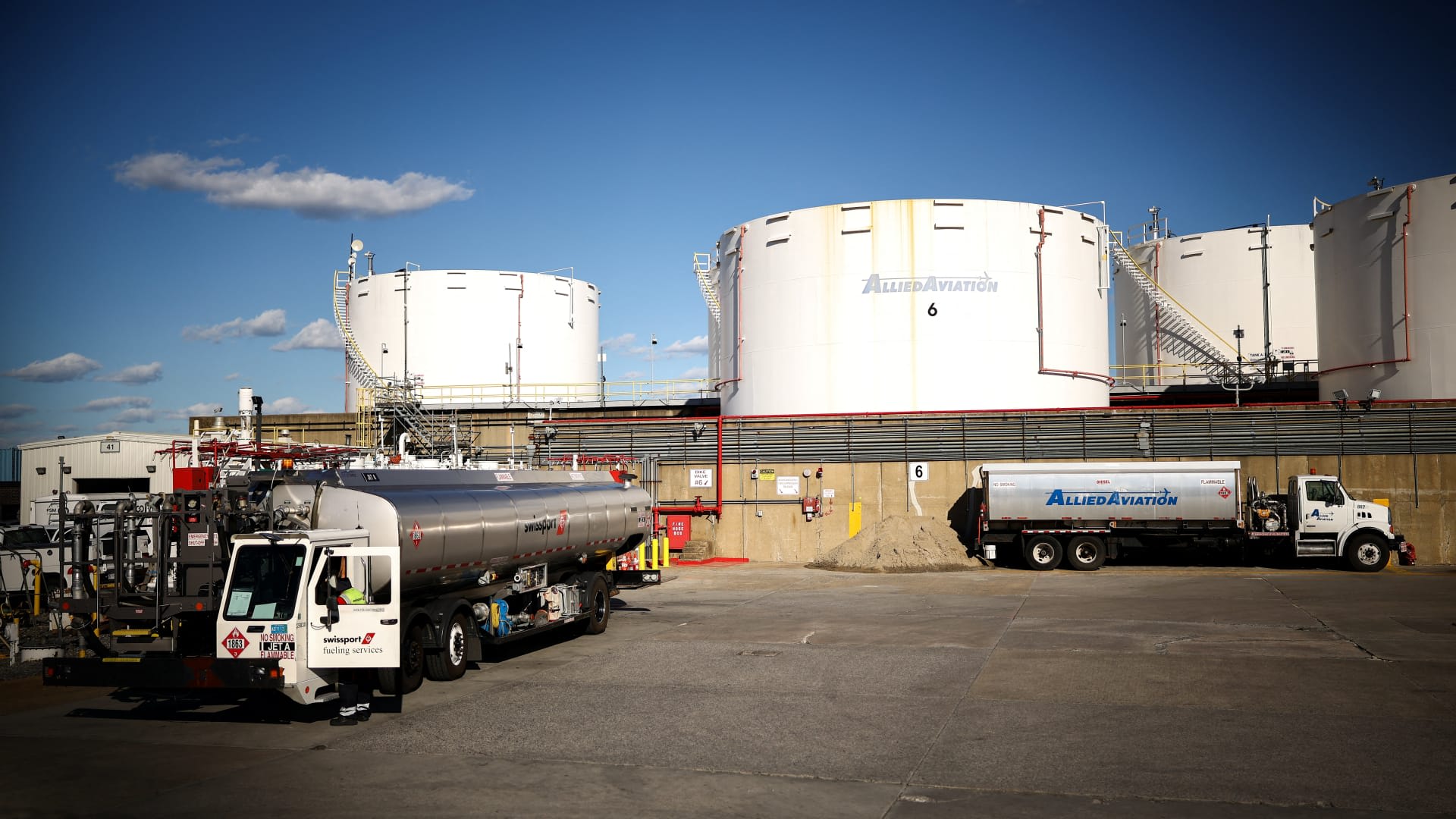
While the immediate focus is on the tactical strikes on Qeshm Island, the broader energy market remains sensitive to the vulnerability of critical infrastructure. The reliance on centralized fuel storage and supply hubs, such as the fuel depots seen near major transit points like LaGuardia airport, underscores the interconnected nature of the global energy grid. Any disruption in the Middle East ripples through these logistical nodes, exacerbating the fears of supply shortages that have kept Brent crude at levels not seen since 2022.
Future Market Trends and Outlook
Looking ahead, the volatility witnessed this week is expected to persist as long as the status of the Iran war remains fluid. Investors are currently weighing the probability of further U.S. military action against the potential for a resumed diplomatic track post-election. Until a clear, sustained de-escalation protocol is established, energy prices will likely remain tethered to the latest news from the Gulf, making the market highly susceptible to rapid fluctuations based on military developments rather than traditional supply-demand fundamentals.