Why can’t satellite collars live-track cheetahs? Kuno director explains
Source Entity
Anand Mohan J
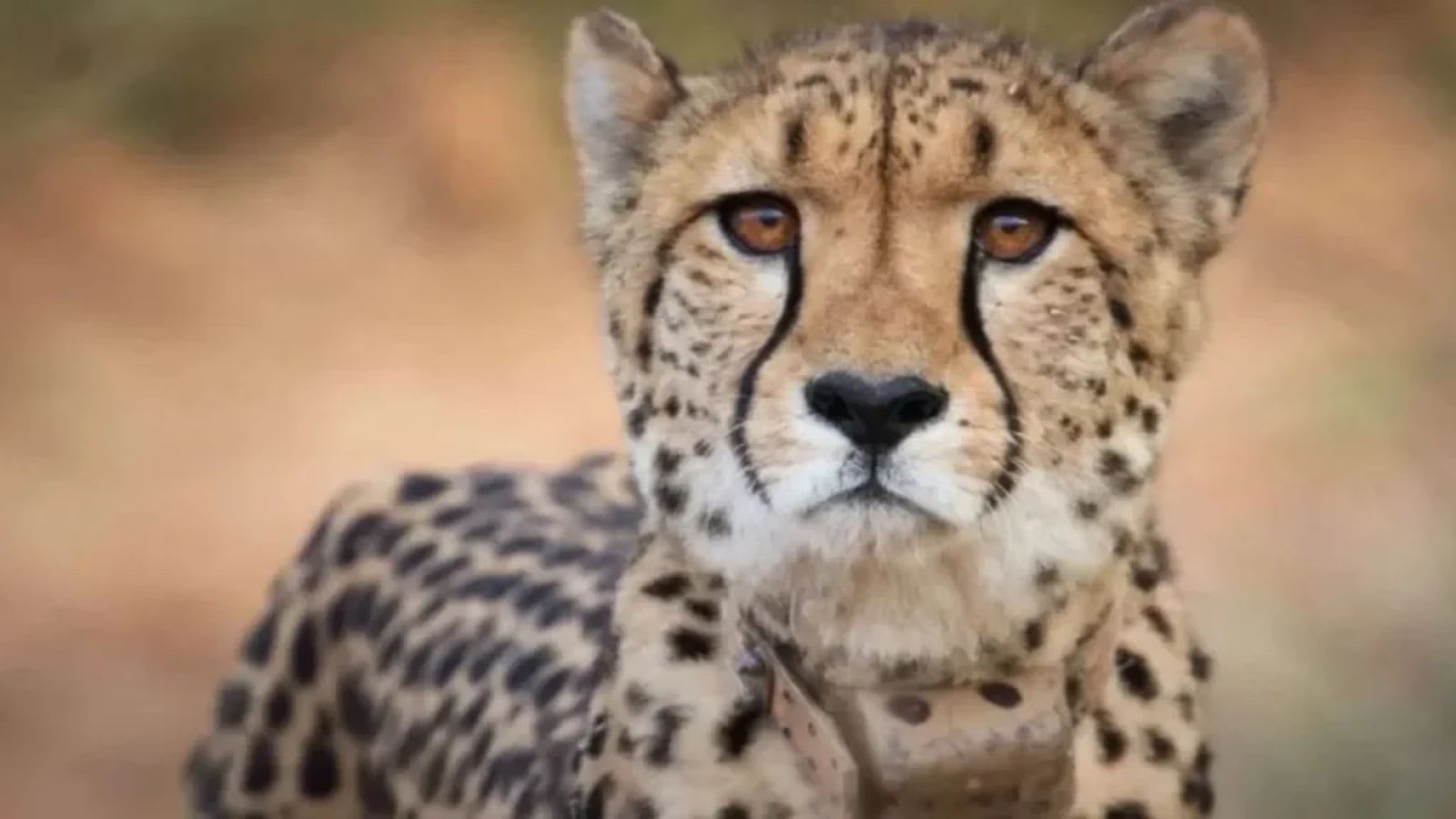
Kuno National Park officials have clarified that satellite collars used on cheetahs do not provide live, real-time tracking. This statement follows the suspension of six forest department officials after the death of a 19-month-old cheetah, KNG22.
Understanding the Technical Limitations of Cheetah Monitoring
Recent statements from Kuno National Park Director Uttam Kumar Sharma have shed light on the technical realities governing the monitoring of cheetahs under India’s ambitious reintroduction program. Addressing public and administrative concerns, Sharma clarified that satellite collars are not equivalent to a 'live telecast.' Instead, these devices operate on intermittent data transmission schedules, meaning they cannot provide the continuous, real-time location streaming that many observers might expect in the age of high-speed digital surveillance.
The Context of Accountability
This clarification arrives amidst heightened scrutiny following the tragic death of KNG22, a 19-month-old male cheetah. The animal was discovered with multiple injuries in the Sheopur territorial forest division on October 25. Despite being rushed to the veterinary facility at Nanaji Deshmukh Veterinary Science University in Jabalpur, the cheetah succumbed to its injuries on October 27. The incident has triggered a significant administrative response, with the state government suspending six forest department officials, signaling a strict stance on the perceived lapses in monitoring protocols.
Challenges in Wildlife Tracking Technology
Satellite telemetry for wildlife, while revolutionary, is inherently constrained by battery life, signal transmission intervals, and satellite availability. In remote forest environments like Kuno, these collars typically store location data and transmit it in batches rather than in a constant stream. This latency period creates a gap between the animal's actual movement and the arrival of data at the control center, which can complicate rapid intervention efforts when an animal falls ill or faces territorial conflicts.
Project Cheetah and Management Pressures
Project Cheetah represents a complex ecological experiment, and the death of KNG22—an offspring of the South African cheetah 'Nirva'—serves as a stark reminder of the risks involved in reintroducing a species to a new landscape. The pressure on forest officials to ensure 24/7 oversight is immense, but the technical reality of current tracking hardware indicates that monitoring must be augmented by ground-level human patrolling rather than relying solely on remote digital tracking.
Future Trends in Conservation Monitoring
Moving forward, the incident highlights the need for a hybrid approach to wildlife conservation. While satellite technology is indispensable for tracking broad movements across vast territories, the limitations noted by Director Sharma suggest that conservationists must integrate these tools with more frequent physical monitoring and faster data-processing infrastructure. Bridging the gap between technology and traditional field craft will be essential for the long-term success of the project and the safety of the reintroduced feline population.