Netanyahu’s fate after the elections is unlikely to alter Israel’s security policy
Source Entity
Rajan Kumar
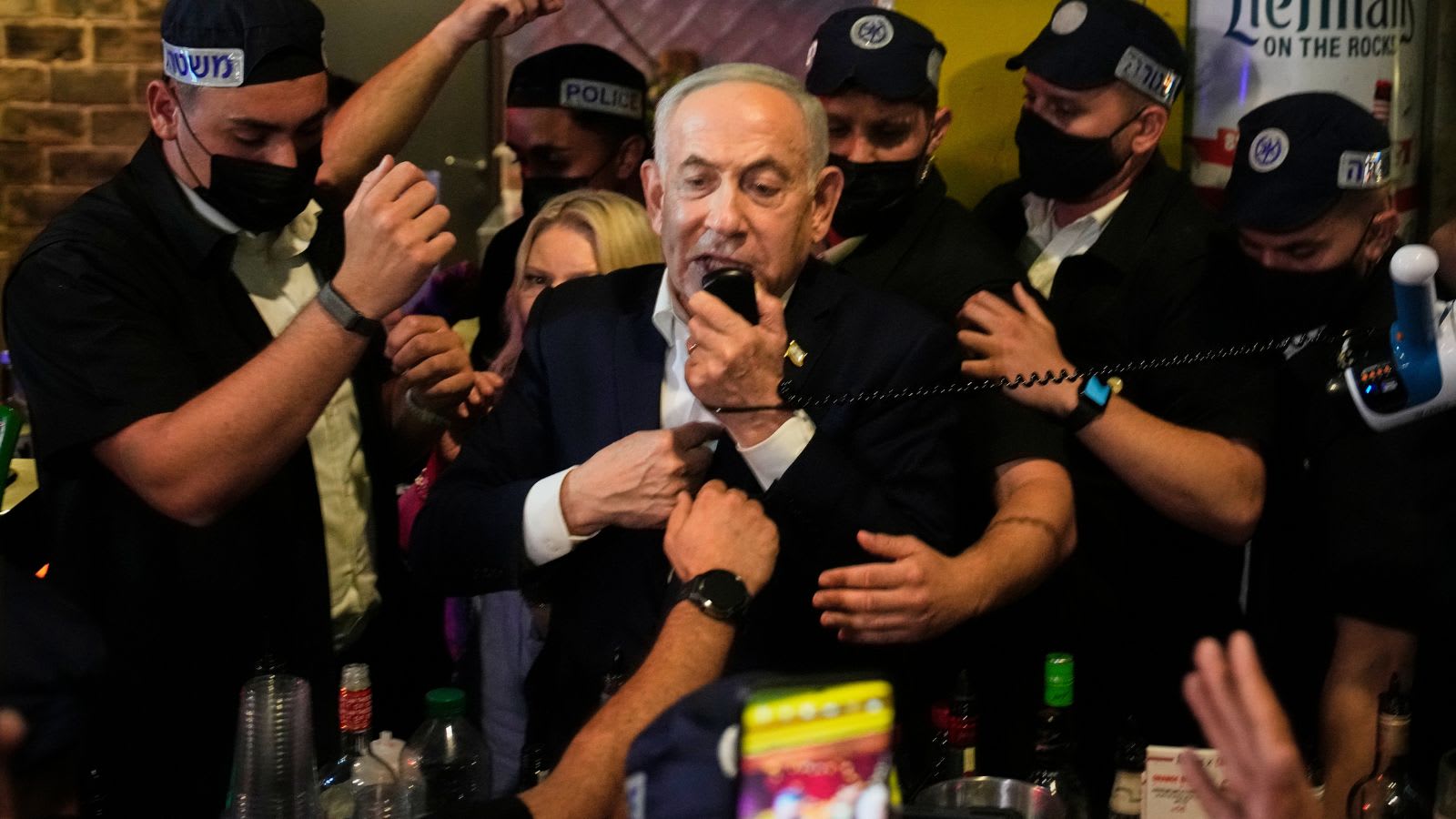
Israel prepares for a critical parliamentary election on October 27, the first since the October 7, 2023, Hamas attack. The vote serves as a referendum on Prime Minister Benjamin Netanyahu's leadership and his handling of ongoing conflicts in Gaza, Lebanon, and with Iran.
The 26th Knesset Elections: A Nation at a Crossroads
On October 27, Israel will hold its 26th parliamentary election, a pivotal event that marks the first national ballot since the Hamas-led attack on October 7, 2023. As the nation grapples with the aftermath of that assault and the subsequent regional conflicts in Gaza, Lebanon, and Iran, the electorate faces a profound choice regarding the country's future direction. This election is widely viewed as a definitive referendum on the long-tenured leadership of Prime Minister Benjamin Netanyahu and his administration's security and policy failures.
The Shadow of October 7
The central theme of this electoral contest is the security landscape following the October 7 attack. Voters are tasked with deciding who should be held accountable for the intelligence and operational failures that allowed such an event to occur. The conflict has fundamentally altered Israeli society, forcing a reckoning with both the nation's military doctrine and its political governance. Netanyahu, as the longest-serving prime minister, finds his career defined by this moment, as he attempts to maintain his grip on power while facing intense scrutiny over his handling of the wars that have followed.
Political Fractures and Coalition Dynamics
Israel’s political system, characterized by its reliance on coalition building, remains as fractious as ever. Current opinion polls suggest a stalemate, with neither the incumbent bloc led by the Likud party nor the opposition coalition appearing to have a clear path to the 61 seats required to form a majority government. The contest is notably tight, featuring high-profile challengers such as Gadi Eisenkot. Regardless of the numerical outcome on election night, the path to a stable government remains uncertain, with complex coalition negotiations expected to drag on for weeks.
International Implications and External Support
The international community is watching closely, particularly given the implications for regional stability. Notably, former US President Donald Trump has publicly endorsed Netanyahu, labeling him a “Great Warrior Prime Minister” and a crucial partner in confronting Iran. This endorsement highlights the ideological divide regarding Israel’s future: a victory for Netanyahu could signal a continuation of his aggressive stance toward Iran and his current coercive policies in Gaza, whereas a change in leadership might suggest a shift in diplomatic or military strategy.
Domestic Policy and Social Tensions
Beyond the wars, the election is shaped by pressing domestic issues that have long tested the fabric of Israeli society. The question of whether ultra-Orthodox men should be subject to mandatory military service—a long-standing point of contention—remains a flashpoint. Furthermore, voters are increasingly concerned with the rising cost of living and Israel’s shifting standing on the global stage. These issues, combined with the trauma of recent conflicts, ensure that the 26th Knesset will be tasked with navigating a highly polarized electorate.
Conclusion: Assessing the Future Trajectory
While many speculate that the outcome of the election will fundamentally transform Israel's security policy, experts suggest that the core tenets of the state's defense posture may remain resilient regardless of who holds the premiership. The election serves as a diagnostic tool for the Israeli public to express their confidence—or lack thereof—in the current administration. As the nation heads to the polls, the result will not only settle the fate of Benjamin Netanyahu but will also set the tone for Israel's approach to its most existential security challenges for years to come.