Arab Parties Emerge Kingmakers In Israel As Netanyahu Falls Short
Source Entity
NDTV News Search Records Found 1000
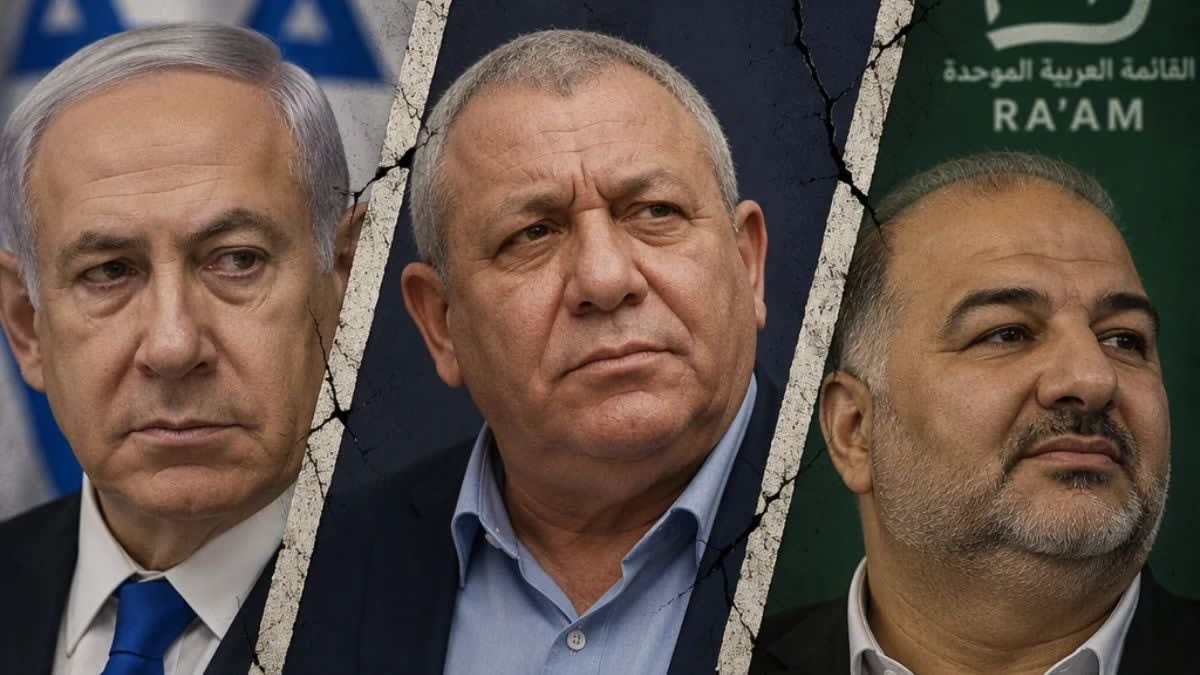
Israel faces a pivotal election on October 27, with former army chief Gadi Eisenkot challenging Benjamin Netanyahu. Amidst security concerns following the October 7 attacks, both leaders struggle to secure a parliamentary majority, potentially leaving Arab parties as kingmakers.
The Crossroads of Israeli Governance: Netanyahu vs. Eisenkot
Israel stands at a critical political juncture as the nation prepares for the October 27 elections. This contest represents more than a mere change in leadership; it is a referendum on the long-standing political dominance of Benjamin 'Bibi' Netanyahu. For decades, Netanyahu has centered his platform on his reputation as 'Mr. Security,' asserting that he is the only figure capable of navigating Israel through its complex geopolitical environment. However, the unprecedented Hamas attack on October 7, 2023, has fundamentally fractured this narrative, forcing a national reckoning over accountability and the efficacy of current security policies.
The Rise of Gadi Eisenkot
Emerging as the primary challenger to the incumbent is Gadi Eisenkot, the 66-year-old former chief of the Israeli army. His ascent is nothing short of remarkable, moving from single-digit polling figures just a year ago to projections that his Yashar party could secure between 20 and 23 seats in the 120-member Knesset. As the son of Moroccan immigrants, Eisenkot represents a potential shift in the country's social fabric, as he would be the first Mizrahi prime minister in Israel’s history. His military background, serving as army chief under Netanyahu from 2015 to 2019, provides him with the credentials to contest the security-focused rhetoric that Netanyahu has traditionally held as his exclusive domain.
The Arithmetic of the Knesset
Despite the electoral momentum of various factions, the path to a governing majority remains incredibly narrow. Current data from the Central Elections Committee indicates that the opposition bloc has secured 48 seats, yet polling suggests that neither the Netanyahu-led coalition nor the anti-Netanyahu opposition is currently on track to reach the 61-seat threshold required to form a government. This stalemate highlights the deep fragmentation within the Israeli electorate, where ideological divisions and personal rivalries have created a deadlock that necessitates coalition-building across disparate groups.
The Role of Arab Parties as Kingmakers
Given the current distribution of seats, the smaller parties—specifically the Arab parties—have emerged as the potential kingmakers of the next administration. In a political system where every seat is vital to reaching a majority, the influence of these parties has grown significantly. Their ability to either support or abstain from supporting a coalition could dictate whether Netanyahu retains power or if an alternative government is formed. This dynamic creates a high-stakes environment where political survival depends on navigating the complex interests of minority representation alongside traditional right-wing blocs.
Future Trends and Security Implications
Looking beyond the election, the winner will inherit a nation grappling with the aftermath of the October 7 attacks and the subsequent military confrontations with Hezbollah and other regional actors. The security failures that occurred under the current administration have become central to the campaign, suggesting that regardless of the winner, the next government will be forced to prioritize a comprehensive review of Israel’s defense posture. The election will not only determine the next prime minister but will also set the tone for Israel's regional strategy and domestic stability for the coming years.
Multiple Citing Sources
Verification Required?