Isro successfully launches NVS-03 satellite to strengthen India's NavIC navigation system, improve civilian access
Source Entity
Latest News: Todays Latest News Headlines from India & World | Hindustan Times
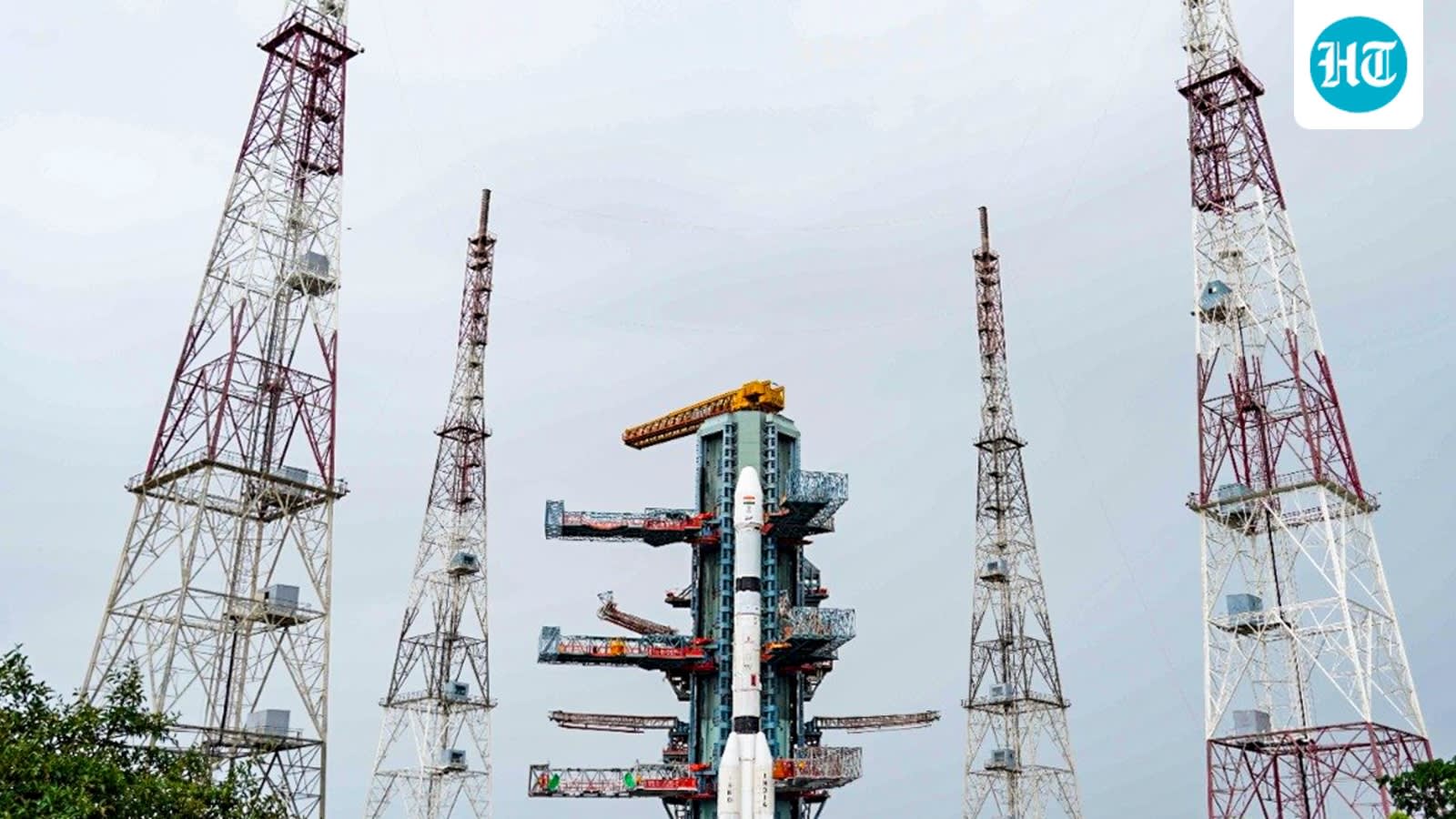
ISRO is set to launch the NVS-03 satellite to bolster India's indigenous NavIC navigation system. The mission aims to address ongoing challenges with atomic clock failures and orbital placement issues to ensure national strategic autonomy.
The Strategic Imperative of NavIC: Navigating Toward Autonomy
India’s journey toward satellite-based navigation sovereignty reaches a critical juncture with the upcoming launch of the NVS-03 satellite. Developed by the Indian Space Research Organisation (ISRO), this mission is designed to revitalize the NavIC (Navigation with Indian Constellation) system, which has faced significant operational hurdles in recent years. By placing this next-generation satellite into a Geosynchronous Transfer Orbit, ISRO aims to solidify a system that was originally conceptualized to provide reliable, indigenous location and timing data across the Indian subcontinent and its surrounding regions.
Historical Context: From Kargil to Constellation
The necessity for an independent navigation network became starkly apparent during the 1999 Kargil War. Reports indicate that during the conflict, the United States restricted access to GPS data for the region, leaving Indian forces without critical navigation support. This realization prompted the Indian government to approve the NavIC program in May 2006. The goal was simple yet ambitious: to establish a self-reliant satellite architecture that would insulate India from the geopolitical whims of foreign-owned global positioning systems, ensuring that national security and civilian infrastructure remain uncompromised.
The Criticality of Atomic Clocks
At the heart of any navigation system lies the precision of atomic clocks. These instruments are not merely for location tracking; they are essential for maintaining accurate time synchronization. Modern sectors—ranging from the armed forces to banking systems and stock exchanges—rely on micro-second precision to function. Any discrepancy in time can lead to operational failures in high-frequency trading or tactical military maneuvers. The NVS-03 mission is vital because the current NavIC constellation has been hampered by repeated failures of these onboard atomic clocks, which have threatened the overall integrity of the network.
Overcoming Recent Setbacks
The road to the NVS-03 launch has not been without its challenges. The program recently suffered a significant setback when the NVS-02 satellite failed to reach its intended orbit. This failure, coupled with the degradation of existing hardware, has created an urgent need for this upcoming mission to succeed. The launch is essential to restore the constellation’s health and ensure that the system can provide the high-quality, continuous signals required for both civilian and strategic applications.
Future Trends: Ground-Based Sovereignty
Beyond satellite infrastructure, India is also investing in ground-based timing systems to further reduce its reliance on external GPS. In June 2025, the government announced plans to transition away from GPS for maintaining Indian Standard Time, opting instead to utilize a network of five indigenous atomic clocks located in Guwahati, Bengaluru, Ahmedabad, Faridabad, and Bhubaneswar. As these ground-based systems are integrated with the NavIC constellation, the country moves closer to a fully autonomous time and navigation framework. Banks and businesses will soon be required to adopt these local standards, marking a significant shift in India’s technological infrastructure and its commitment to digital sovereignty.
Multiple Citing Sources
Verification Required?